Cactus Zinnia Growing Guide: Planting, Care, and Pruning Tips

Introduction
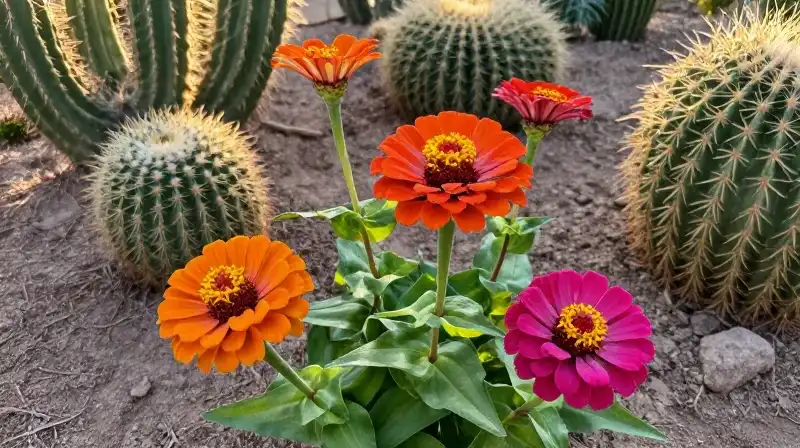
Cactus Zinnia, specifically varieties like the Heirloom Raggedy Anne, offer a unique textural contrast in the garden, combining the vibrant petals of a zinnia with an architectural, slightly spiny, or densely packed appearance that hints at its “cactus” namesake. These plants thrive in hot, sunny environments and are popular choices for summer and fall plantings. Growing these zinnias successfully requires precision in their initial planting and ongoing management of spacing and pruning to ensure they achieve their full, robust blooming potential. This guide provides the practical instructions necessary to take your cactus zinnia seeds or transplants from seed to spectacular, long-lasting blooms.
What Are Cactus Zinnias?
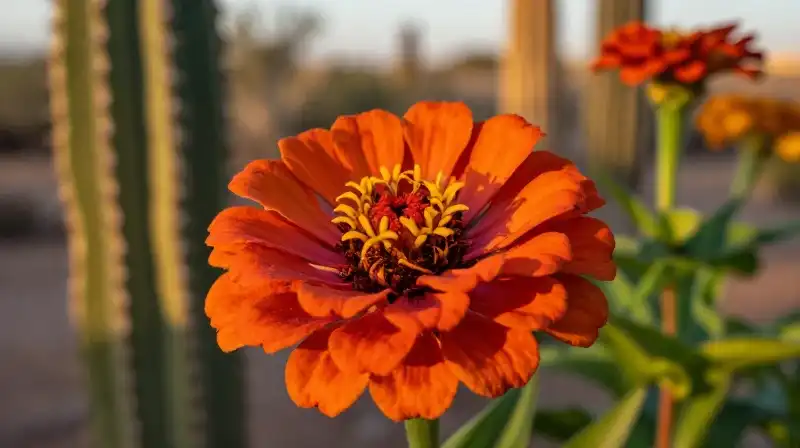
To accurately describe the Cactus Zinnia, it is important to understand that the term refers not to a single species, but to a specific textural and structural type of Zinnia (Zinnia elegans). These cultivars are selected for features that give them a robust, stiff, or often densely layered look, mimicking the hardy nature of certain cacti. While they do not possess the succulent nature of true cacti, their “cactus” designation refers to their ability to hold up well to dry, intense summer heat and their unique, structured flower heads.
Optimal Planting Windows and Sunlight
Cactus Zinnias are sun worshippers. They demand a location that receives full, direct sun throughout the day. Poor light will result in leggy, sparse growth rather than the robust, multi-stemmed structure desired. It is critical to note that these plants are frost-tender, meaning they are extremely vulnerable to freezing temperatures. Therefore, planting should be delayed until all danger of frost has passed in your specific climate.
You have two primary options for planting:
- Direct Sowing: Planting the seeds directly into the garden once the soil has warmed and the threat of frost is gone.
- Indoor Seed Starting: Beginning seeds indoors approximately one month before your last expected frost date, which gives them a head start in achieving full size before the severe summer heat hits.
Starting Cactus Zinnia Seeds Indoors or Outdoors
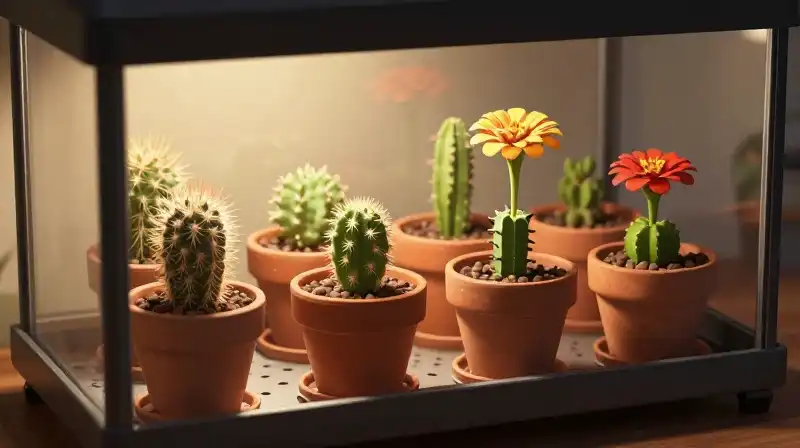
The initial phase of growing depends on your chosen method. Regardless of the location, maintaining consistent moisture and warmth is key to successful germination.
Starting Indoors
If starting inside, select a seed-starting mix and use suitable containers. Place seeds about half an inch deep into the mix. Keep the containers moist and provide strong, consistent light. This early light is essential for preventing the seedlings from becoming tall and weak.
Direct Sowing in the Garden
For direct sowing, seeds should be planted in rows 12 inches apart. Within those rows, individual seedlings should be spaced 2 to 3 inches apart. After planting, the seeds need to be kept moist until they emerge from the soil.
Cultivating Growth: Spacing and Water Management
One of the most common mistakes in growing zinnia is overcrowding. These plants require adequate space to expand their root systems and spread their foliage, allowing for better air circulation and larger blooms. As seedlings develop, they must be thinned or transplanted to ensure no two plants are too close.
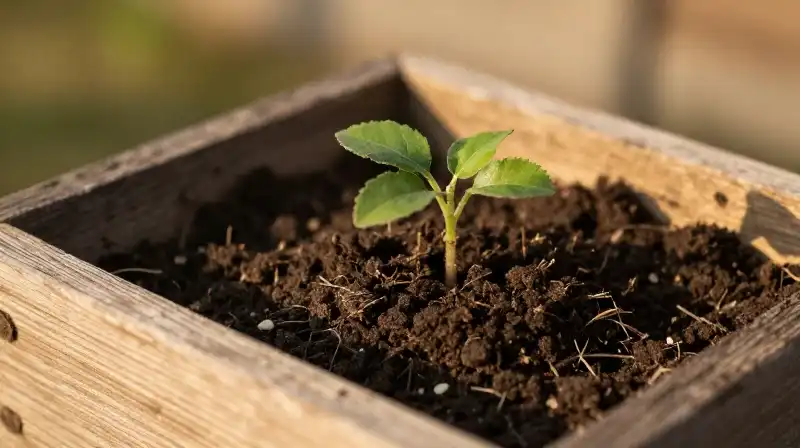
Thinning and Spacing: Once seedlings sprout, identify the strongest plants and remove the weakest ones. This action provides crucial 10 to 12 inches of space between mature plants, leading to stronger stems and more abundant flowers. This stage requires careful watering as you are removing plants, but it is a necessary step for robust growth.
Watering: Consistent, deep watering is essential, especially during periods of intense heat. While zinnias prefer soil to dry slightly between waterings, always ensure the area around the base of the plant is moist. Avoid overhead watering on a hot, sunny day to prevent soil moisture from evaporating too quickly and to prevent fungal issues on the leaves.
Maximizing Flower Production Through Pruning
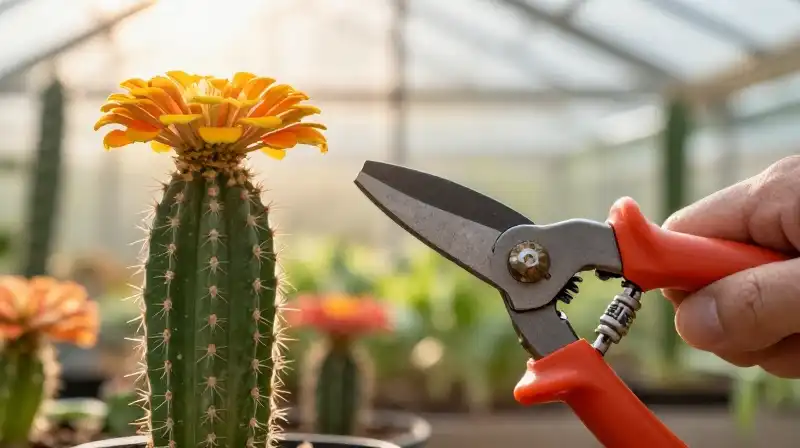
To ensure the Cactus Zinnias produce continuous, long-lasting blooms—a trait ideal for creating stunning bouquets—a specific pruning technique must be employed. Zinnias are excellent branch-multipliers, and you can encourage this growth.
When a flower begins to fade, do not simply leave the head. Instead, employ the “cut-back” method: cut the long stem (the rachis) of the spent flower right back into the foliage, several inches below the flower head. This specific pruning technique signals the plant to put energy into new, fresh branching from the base, resulting in multiple flowers appearing at the same time. This technique ensures a continuous supply of flowers until the first hard frost.
Essential Care Limitations and Final Checklist
While Cactus Zinnias are remarkably resilient, their success relies on respecting their limitations and providing specific care.
Frost Sensitivity: Because these are frost-tender, they cannot tolerate freezing temperatures. Monitor the forecast closely and prepare to bring any marginal plants into a protected area before an unexpected cold snap.
Ideal Environment: To provide the best environment for your plants, ensure you have:
- Sun: Minimum of 6 to 8 hours of direct sunlight daily.
- Soil: Standard, well-draining garden soil is sufficient. If your soil is overly heavy clay, amend it with compost to improve drainage.
- Spacious Growth: Adequate space (10–12 inches between plants) for continuous, uncrowded development.
By adhering to the correct spacing, diligent pruning, and understanding their need for consistent warmth and sun, you can ensure your Cactus Zinnia garden delivers a prolific and beautiful display from summer into the fall.
Explore more: The Three Horns of Odin: Mythological Origins and Historical
Frequently Asked Questions
What are cactus zinnias?
Cactus Zinnias refer not to a single species, but to a specific textural and structural type of Zinnia (Zinnia elegans) selected for a robust, stiff, or densely layered look that mimics the hardy nature of certain cacti. Their designation stems from their unique, structured flower heads and ability to hold up well to dry, intense summer heat.
How to Grow Cactus Zinnias
Determine Planting Time and Method
Choose between direct sowing into the garden or starting seeds indoors about one month before the last expected frost. Ensure that all danger of frost has passed.
Sow Seeds
If direct sowing, plant seeds in rows 12 inches apart, spacing seedlings 2 to 3 inches apart within the row. If starting indoors, use a seed-starting mix, place seeds half an inch deep, and keep containers moist under strong light.
Thin and Space Seedlings
Once seedlings sprout, remove the weakest plants to ensure mature plants have 10 to 12 inches of space, allowing for adequate root growth and better air circulation.
Manage Water and Sun Exposure
Provide full, direct sun (minimum 6 to 8 hours daily) and maintain consistent, deep watering. Avoid overhead watering on hot days to prevent evaporation and fungal issues.
Prune Spent Flowers
When a flower begins to fade, apply the 'cut-back' method by cutting the long stem (rachis) of the spent flower several inches below the head to encourage continuous new branching and bloom production.
Related Articles