Growing Black Pansies: Care and Planting Guide

Introduction
Black pansies are renowned as botanical showstoppers, offering a sophisticated and dramatically deep color that sets them apart from more traditional floral varieties. These hardy flowers, technically a cultivar of *Viola x Wittrockiana*, are beloved by gardeners for providing a bold focal point. If you are seeking continuous, striking color from spring until late summer, black pansies are an excellent choice for borders, containers, and flower beds. Successfully cultivating these dramatic blooms involves understanding their specific light requirements and the optimal conditions they thrive in.
Understanding Black Pansy Aesthetics and Varieties
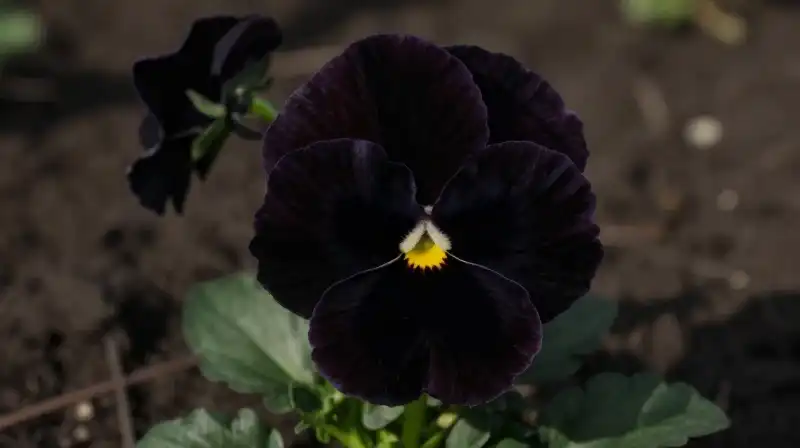
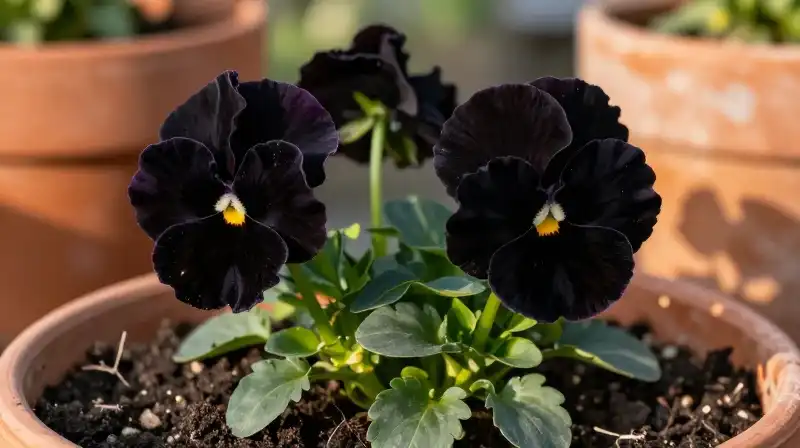
When asking, “Can pansies be black?”, the answer is a definitive yes. Black pansies achieve their dramatic appearance through intensely pigmented, velvety petals that absorb light, creating a moody and rich visual impact. They are part of a series of unique cultivars, including notable varieties like the Atlas Black pansy and the Black Devil Pansy, which showcase even deeper shades of midnight purple. Unlike some ornamental plants, black pansies are early bloomers, ensuring a steady flow of striking color during the growing season.
Beyond their color, they are highly versatile and low-maintenance. While they can be striking in mass plantings to create a cohesive landscape, they also work well in individual containers where their deep hue can be the main feature. They typically maintain a height of 6 to 10 inches, making them ideal for ground cover or adding height to window boxes.
Selecting the Right Black Pansy Variety
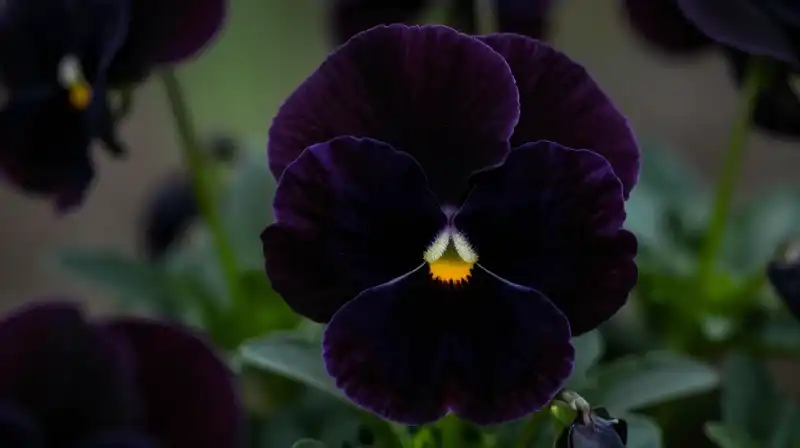
Because the term “black pansy” covers a range of deep, dark colors, choosing the right variety is essential for achieving the specific aesthetic you desire. Some cultivars lean toward a dark eggplant purple, while others appear more of a deep, inky black.
Consider your planting goal when making a selection:
- The Bold Accent: If you want a punch of deep color to contrast with brighter flora, a high-contrast dark variety is best.
- The Mass Planting: If you are planting a large bed, selecting varieties with consistent coloring and strong disease resistance ensures a unified, sophisticated aesthetic.
- Fragrance Preferences: Some specific cultivars offer a mild, sweet fragrance, adding an olfactory dimension to the visual impact.
Planning the Planting Environment and Timing
Black pansies are surprisingly adaptable regarding light and shade, but their optimal growth requires consistent conditions. Understanding when and where to plant them is the first step toward a successful season.
Optimal Placement: While they tolerate partial shade, they thrive in full sun for the best bloom production. Even in shadier spots, they continue to provide vibrant color, making them excellent choices for under trees or in cooler garden areas.
Soil and Site Preparation: They prefer moist, well-draining soil. Before planting, amending heavy clay or nutrient-poor soil with organic matter will improve structure and drainage, which helps prevent root rot.
Sowing and Spacing Guidance
For best results, you should sow 3–4 seeds per plant. Planting them adequately spaced—ideally 9–12 inches apart—is critical. Overcrowding restricts airflow and can lead to foliage diseases, particularly in the humidity of a late spring or early summer.
The ideal germination window occurs when soil temperatures are maintained between 65–70°F. While germination can take time (typically 7–21 days), maintaining these soil conditions is key to a timely start.
Optimizing Care for Deep Color and Longevity
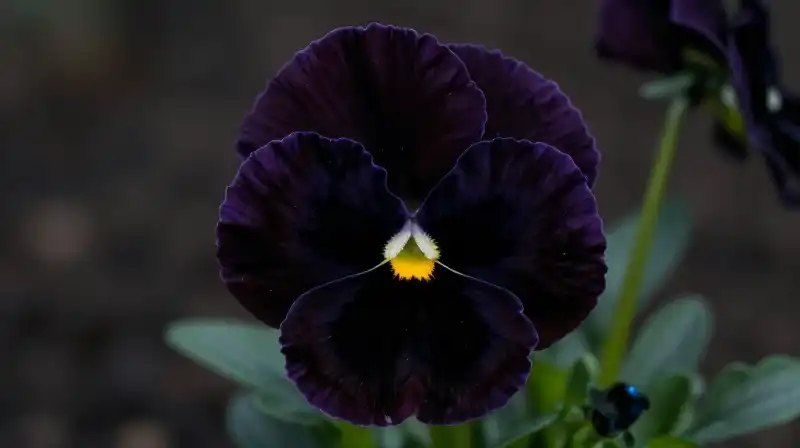
Maintaining the intense color and robust health of black pansies requires consistent attention to water and feeding, especially as the summer heat begins to affect them.
Water Requirements: Pansies have a moderate thirst. Regular, deep watering is necessary, especially during dry spells. However, always ensure water is applied to the base of the plant to keep the foliage dry, which prevents fungal issues. In periods of extreme heat, watch for wilting, and provide consistent moisture to maintain the vibrancy of the color.
Feeding and Maintenance: As an early-season bloomer, continuous feeding provides the energy needed for long-lasting, high-quality blooms. A balanced, slow-release fertilizer, applied according to package directions, is effective. Regular deadheading (removing spent flowers) encourages the plant to maintain continuous color rather than putting all its energy into seed production.
Managing Temperature Extremes: While they are cold-hardy once established, black pansies do not tolerate extreme heat indefinitely. In late summer heat waves, blooms may start to shrivel and fade. Reducing water stress and providing some protection from direct afternoon sun can help extend the life of the flowers.
Common Pansy Care Issues and Prevention
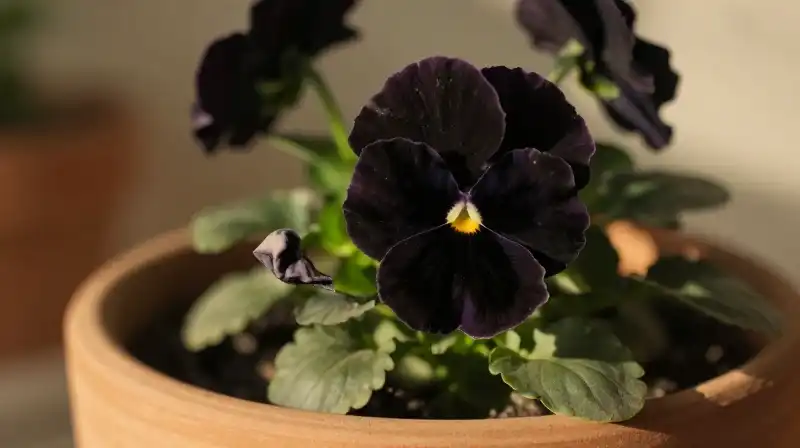
Like all annuals, pansies can encounter specific challenges. Addressing these issues proactively is key to a seamless gardening experience.
- Pests: Aphids and slugs can be problems. Regularly inspect the foliage and use insecticidal soap if infestations appear.
- Disease: Because they have dense foliage, fungal diseases (like powdery mildew) can occur in overly damp, still air. Ensure good air circulation and use preventative fungicides if needed.
- Bloom Longevity: If blooms begin to shrivel prematurely, check for consistent moisture levels. If the soil is too dry, the plant will sacrifice blooms to preserve moisture for its roots.
Practical Checklist for Choosing and Growing Your Black Pansy
Before making a final decision on varieties or starting your seedlings, consider this final criteria:
- Climate and Light: Confirm your location offers several hours of full sun or bright partial shade, as this is the optimal growth range.
- Goal: Decide if you need a single, dramatic accent plant or a cohesive mass of color for a large border.
- Varietal Research: Look into specific varieties like Atlas Black or Black Devil Pansy to see if their mature size and flower characteristics align with your space.
- Initial Care: Plan for deep watering and consistent, gentle feeding to maintain the high vibrancy of the dark petals throughout the season.
Black pansies are an exceptional way to introduce depth and sophistication to any landscape. By choosing the appropriate variety, respecting their need for consistent moisture, and managing their spacing carefully, you can enjoy a bold, velvety display of stunning, deep color.
Explore more: Celtic Symbols for Brotherhood: Meanings and Interpretations
Frequently Asked Questions
Can pansies be black?
Yes, pansies can be black. These black pansies achieve their dramatic appearance through intensely pigmented, velvety petals that absorb light, creating a rich visual impact.
How to Grow Black Pansies
Select the Right Variety
Choose a black pansy cultivar based on your desired planting goal: a bold accent, a unified mass planting, or a specific fragrance.
Prepare the Site and Soil
Ensure the location receives full sun (or partial shade) and amend heavy clay or nutrient-poor soil with organic matter to create moist, well-draining soil.
Sow and Space the Seeds
Sow 3–4 seeds per plant and maintain a 9–12 inch spacing to ensure adequate airflow and prevent foliage disease.
Monitor Germination
Maintain soil temperatures between 65–70°F for the best germination, which typically takes 7–21 days.
Provide Consistent Watering
Apply regular, deep watering to the base of the plant, especially during dry spells, ensuring the foliage remains dry to prevent fungal issues.
Fertilize and Maintain
Apply a balanced, slow-release fertilizer and perform regular deadheading (removing spent flowers) to encourage continuous color.
Manage Environmental Stress
During late summer heat waves, reduce water stress and provide some protection from direct afternoon sun to help extend the life of the blooms.
Monitor for Pests and Disease
Regularly inspect foliage for pests like aphids and slugs, and ensure good air circulation to prevent fungal diseases like powdery mildew.
Related Articles