Growing Naked Lady Bulbs: Planting Tips and Care Requirements

Introduction
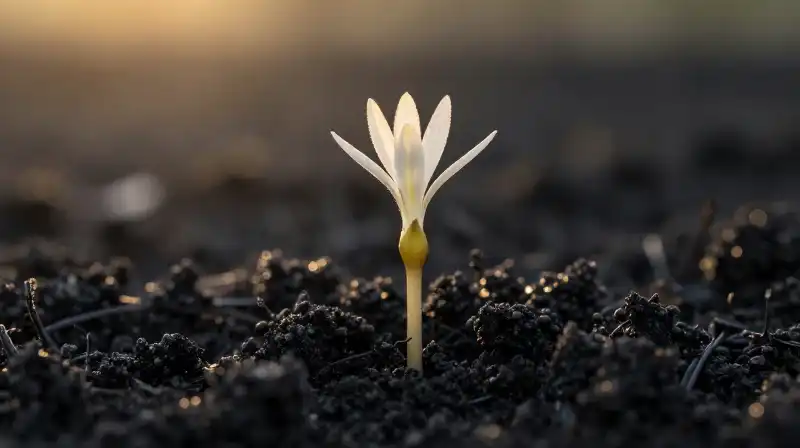
Naked Lady bulbs, also known as Belladonna Lilies, are prized ornamental plants defined by their dramatic, gracefully bare flower stalks. While many gardeners are accustomed to spring blooms, the Naked Lady (Lycoris squamigera) follows an unusual biological rhythm, requiring significant patience and specific care protocols to thrive. These plants do not burst forth in the spring; rather, they mature slowly, typically requiring 2 to 3 years after planting before producing their first spectacular late summer or early fall blooms, generally appearing between late July and early August. Understanding this reversed seasonal cycle is the first step to successful cultivation.
Planning the Planting Strategy
The success of your Naked Lady display begins with correct placement and density. Because these bulbs have a unique dormant phase, planning the layout is essential for optimal light capture and energy storage.
Choosing the Right Location
Naked Lady Lilies require strong sunlight, particularly during their critical growth period. They thrive in regions that can provide 6 to 8 hours of adequate sun, especially during the colder months when the plant is actively storing energy. They are well-suited for climates ranging from the Middle and Upper South into the cold regions of the Midwest (USDA Zones 5b-8a).
Planting Depth and Density
A common mistake is planting bulbs too deep. Naked Lady bulbs should be planted shallow, ensuring that the top of the bulb rests level with the soil surface. Regarding spacing, you have flexibility depending on the visual effect you desire:
- Natural Density: Plant bulbs 2 to 4 inches apart for a lush, continuous carpet of color.
- Spread Look: Space them 6 to 8 inches apart if you prefer a more airy, distinct arrangement.
Naked Lady: The Reversed Growing Cycle

The most distinctive characteristic of the Naked Lady is its energy storage pattern. Unlike traditional bulbs, the foliage focuses its primary energy production during the colder months, not the warmer ones.
Winter Energy Storage
The period from February through April is vital. During this time, the flat, wide, and stout foliage develops rapidly, rising quickly like a fountain. Adequate winter sunlight fuels this development. During the summer dormancy, the soil must allow the plant to dry out slightly, aiding in the storage of maximum energy for the following fall bloom.
Managing Summer Dormancy
While the plant is dormant in the summer, it still requires careful management. Adequate watering is necessary in early summer to promote the healthy development of the eventual blooms, but you must actively avoid overwatering or allowing soil to become stagnant, as this risks bulb rot and interferes with the dormancy process.
Maintenance and Horticultural Care

Proper upkeep focuses on maximizing light exposure and managing moisture and nutrients appropriately for the plant’s unique needs.
Soil Requirements and Feeding
Naked Lady Lilies are generally tolerant of a variety of soil types, provided the conditions are well-draining and rich in organic matter. A crucial rule for successful cultivation is regarding fertilization: avoid applying fertilizer immediately upon planting. If nutrients must be added, restrict them only to established plants during their peak winter foliage growth period.
Foliage Management
When the foliage begins to die back—a natural process signaling the completion of the growing cycle—it is essential that you do not cut it. The dying foliage is working to transfer energy and nutrients back into the bulb, fueling the future bloom. Allowing the foliage to die back naturally is a requirement for the plant’s long-term health and successful re-blooming.
Design and Environmental Integration
The inherent characteristics of Belladonna Lilies make them versatile additions to landscape design. They stand tall, providing excellent structure, and their hardiness allows them to survive in various tough conditions.
They pair beautifully with other garden elements:
- Complementary Plants: Their late-summer show pairs excellently with rain lilies and early spring bloomers, such as Narcissus and Jonquils.
- Wildlife Appeal: These robust plants are known to attract various beneficial wildlife, including hummingbirds and butterflies.
- Pest Resistance: Once established, they demonstrate a notable degree of resistance to common garden pests like deer and rabbits.
Practical Purchasing and Shipping Considerations

If you are planning a large-scale planting and rely on advanced ordering, it is important to be aware of logistical limitations:
Shipping Limits: Shipments are currently limited to the 48 contiguous states. Furthermore, plant items are unable to be shipped during periods of extreme heat, specifically from late June through August, regardless of planting season.
Orders are typically fulfilled via USPS or FedEx, though please note that multiple items within a single order may arrive in separate shipments. An estimated timeline and arrival date will be provided upon placing your order, though these estimates are subject to change based on current weather and specific product availability.
Cultivation Summary and Critical Warnings
To achieve the best results with Naked Lady bulbs, prioritize patience and timing. Because the cycle is so unique—energy stored in winter and blooming in late summer—mistakes are often made regarding water and sunlight timing.
Key Takeaways for Success:
- Provide Consistent Light: Ensure your planting location receives ample sun, especially in winter, to fuel growth.
- Monitor Moisture, Not Just Schedule: Encourage watering in early summer, but monitor closely to ensure soil dries out slightly during summer dormancy to allow for proper energy storage.
- Respect the Foliage: Never cut the dying foliage; allow the plant to complete its natural cycle.
By aligning your care practices with the plant’s unique reversed growth pattern, you can successfully cultivate magnificent Naked Lady Lilies that deliver dramatic color when it is least expected.
Explore more: The Three Horns of Odin: Mythological Origins and Historical
How to successfully cultivate Naked Lady Lilies
Plan the Planting Strategy
Ensure the planting location receives strong sunlight, ideally 6 to 8 hours of sun, and plant the bulbs shallow, level with the soil surface.
Manage Winter Growth
During the winter months (February through April), provide adequate sunlight and allow the flat, wide, and stout foliage to develop rapidly. Restrict fertilization only to established plants during this peak foliage growth period.
Manage Summer Dormancy
During the summer, provide adequate early summer watering while actively avoiding overwatering or stagnant soil, ensuring the soil dries out slightly to aid in energy storage.
Maintain Foliage
Once the foliage begins to die back naturally, do not cut it. Allow the dying leaves to complete the process of transferring nutrients back into the bulb for future blooms.
Related Articles