How to Grow Berkeley Tie Dye Pink Tomatoes Successfully

Introduction
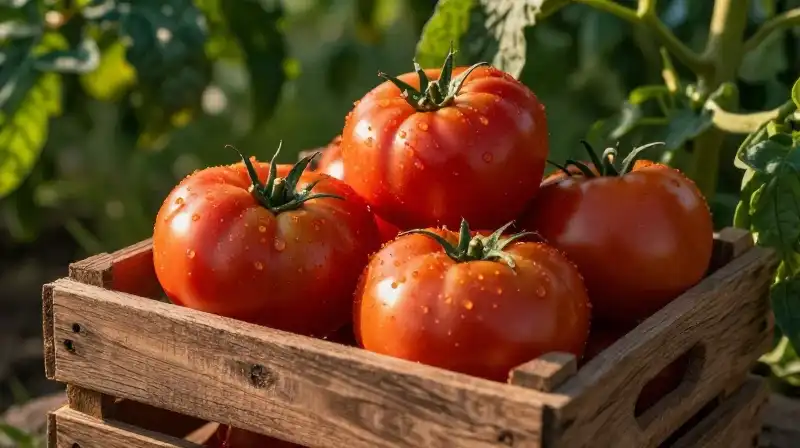
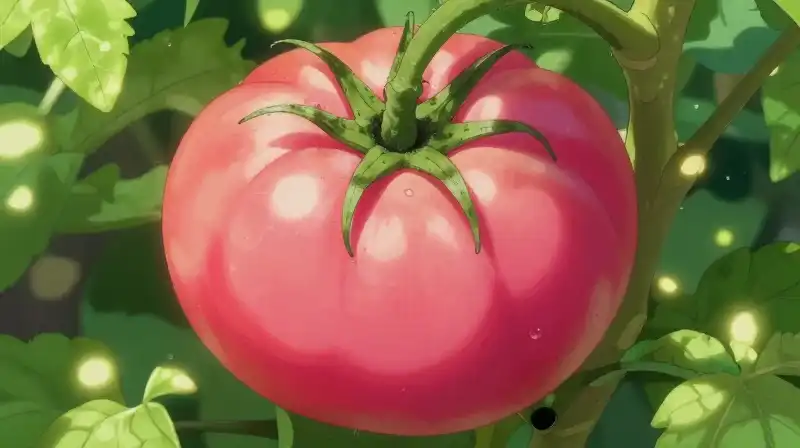
The Berkeley Tie Dye Pink tomato offers growers a visually striking and highly versatile crop. Known for its creamy green flesh infused with mottled shades of red and yellow, this variety produces medium to large fruits, typically ranging from 8 to 12 ounces. While it boasts suitability for slicing and an attractive appearance, successfully cultivating the Berkeley Tie Dye Pink requires specific attention to its growth habits, particularly when grown in containers. Achieving the optimal harvest involves understanding its sensitivity to environmental fluctuations and providing the precise support and hydration it needs to prevent common issues like fruit cracking.
Understanding the Berkeley Tie Dye Pink Profile
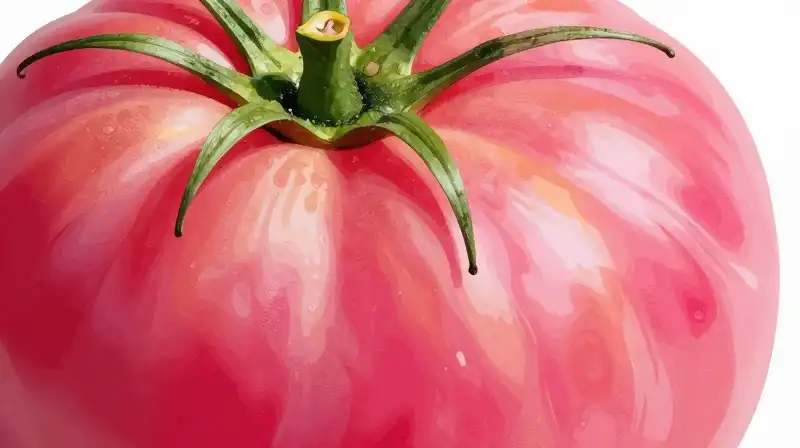
Before starting the cultivation process, it is essential to understand the characteristics of the Berkeley Tie Dye Pink tomato. This variety is bred for its aesthetic appeal and its quality when ripe, making it a favorite among home growers who prioritize visual impact as much as flavor. Its size makes it particularly adept for slicing, producing a substantial and satisfying fruit.
Key attributes of this tomato include:
- Fruit Size: Medium to large (8–12 ounces).
- Ideal Use: Slicing and fresh consumption.
- Cultivation Suitability: Excellent for containers, provided they are appropriately sized.
- Growth Habit: Requires adequate support and regular maintenance.
Container Cultivation Requirements
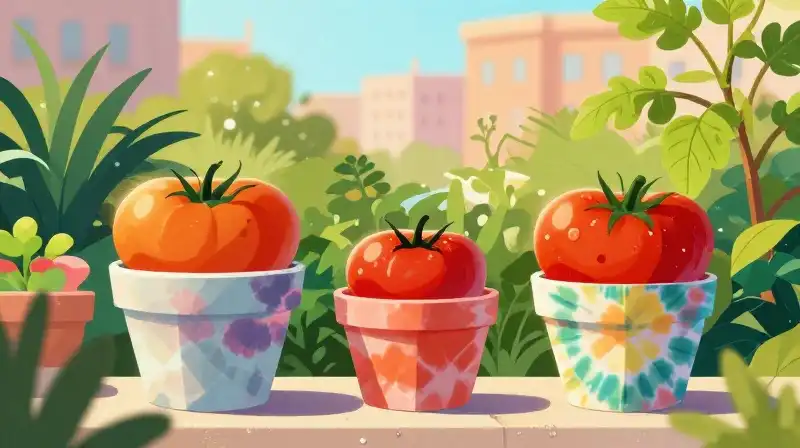
Although the Berkeley Tie Dye Pink performs well in containers, its substantial size and need for robust structure mean that standard, small pots are insufficient. Proper container selection is the first critical step toward success.
Choosing the Right Vessel and Support
Because the fruit reaches a significant weight (up to 12 ounces), the plant requires a container with deep roots and sufficient volume to prevent overheating or drying out. Aim for a large pot or container, ensuring adequate drainage. Furthermore, as a large, vining variety, the plant will require external support structures, such as a sturdy stake or a tomato cage, early in the growing season to manage the mature vines and heavy fruit load.
- Container Size: Use large pots to accommodate deep root systems.
- Support: Install strong staking or caging early to manage the weight of the large fruits.
- Watering Access: Containers dry out faster than ground plantings; plan for consistent moisture delivery.
Preventing Fruit Cracking: The Primary Challenge
Like most heirloom and large-fruited tomatoes, the Berkeley Tie Dye Pink is susceptible to cracking. Fruit cracking is one of the most common issues growers encounter and is almost always tied directly to water management, not temperature or sunlight. The sudden influx or absence of moisture causes the rapid expansion and contraction of the skin, leading to tears.
Strategies for Consistent Hydration
To maintain skin integrity and prevent cracking, follow these hydration guidelines:
- Maintain Regular Watering: Do not allow the soil to become bone dry. Implement a regular watering schedule that keeps the moisture level consistent throughout the growth phase.
- Avoid Sudden Changes: Avoid drastically increasing or decreasing the amount of water you give the plant over a short period. A gradual, steady supply is key.
- Utilize Mulching: Apply a layer of organic mulch around the base of the plant. Mulching helps regulate soil temperature and, critically, reduces moisture evaporation from the soil surface, ensuring a more stable internal moisture environment for the plant.
Cultivation and Care Protocol
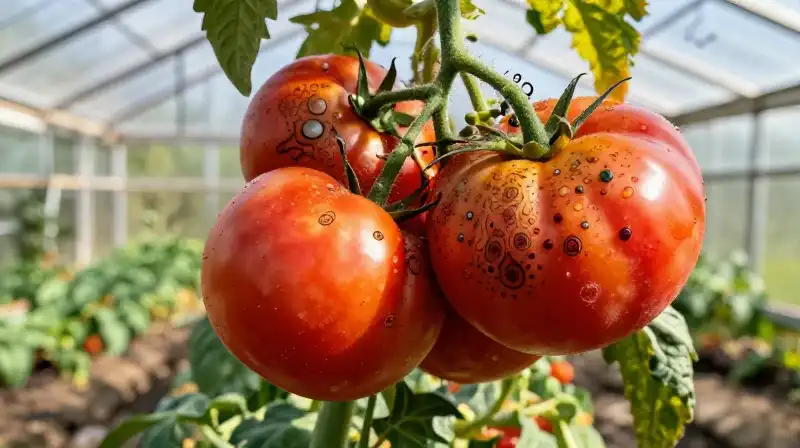
Once the structural elements are in place, the daily care of the Berkeley Tie Dye Pink focuses on providing consistent nutrients and light. As a heavy feeder, consistent nutrition is required to support the development of large, high-quality fruit.
Soil and Nutrition
Start with a well-draining, nutrient-rich potting mix suitable for containers. During the vegetative stage, a balanced fertilizer works well. As the plant begins to flower and set fruit, switch to a fertilizer formulated for fruiting vegetables that is slightly higher in phosphorus and potassium. These nutrients are vital for fruit size and quality.
Environmental Monitoring
Place the containers in an area that receives maximum sunlight—ideally 6 to 8 hours of direct sun per day. Adequate light is necessary for robust production. Ensure the containers are positioned to allow for good air circulation, which helps prevent common fungal diseases. Pruning lower, spent leaves can improve airflow near the base of the plant.
Critical Care Synthesis for a Successful Harvest
The success of growing the Berkeley Tie Dye Pink hinges on anticipating its specific needs, especially when managed in a container. The general guidance for tomatoes must be tailored to this variety’s size and structure.
To ensure the highest yield and best fruit quality, prioritize these practical warnings:
- Stability is Paramount: Focus on maintaining a consistent environment—both in terms of moisture levels (to prevent cracking) and physical support (to handle the 8- to 12-ounce weight of the mature fruit).
- Water Consistency > Volume: It is better to water regularly with moderate amounts than to provide massive amounts infrequently, as the latter drastically increases the risk of fruit cracking.
- Invest in Infrastructure: Do not underestimate the need for a large pot and a robust staking system to support the mature plant’s weight and vine structure.
How to Cultivate the Berkeley Tie Dye Pink Tomato
Choose Proper Containers
Select large pots with adequate drainage, as the fruit size requires sufficient volume to support the root system and prevent overheating.
Install Support Infrastructure
Install sturdy staking or a cage early in the growing season to manage the mature vines and support the 8-to-12-ounce fruit load.
Prepare Soil and Nutrients
Start with well-draining, nutrient-rich potting mix. Use a balanced fertilizer during the vegetative stage, then switch to a formula higher in phosphorus and potassium for fruiting.
Manage Hydration Consistently
Implement a regular watering schedule, ensuring the soil remains moist but never allows sudden fluctuations or dryness, which prevents fruit cracking.
Apply Mulch
Cover the base of the plant with a layer of organic mulch to reduce moisture evaporation and help regulate soil temperature.
Ensure Optimal Environmental Conditions
Place containers in an area receiving maximum sunlight (6 to 8 hours daily). Ensure good air circulation and prune lower, spent leaves to prevent fungal diseases.
Related Articles