The California Pepper Tree: Uses, Safety, and Cultivation Guide

Introduction
The California pepper tree (*Schinus molle*) is a striking, drought-tolerant evergreen frequently chosen for landscapes in semi-arid climates. Recognized for its wide, drooping canopy and distinctive clusters of bright pink drupes, it offers both ornamental appeal and a unique history rooted in Andean culture. However, before incorporating the California pepper tree into a garden, it is essential to understand that this species is far more complex than a decorative shrub. While celebrated for its hardiness and shade-providing capabilities, it carries significant environmental and safety considerations, particularly concerning its status as a potential invasive weed and its inherent toxicity.
This guide provides a comprehensive overview of the California pepper tree, detailing its optimal cultivation needs, its various historical and culinary uses, and the critical safety and ecological risks that must be evaluated before planting.
Botanical Profile and Distinction from Commercial Pepper
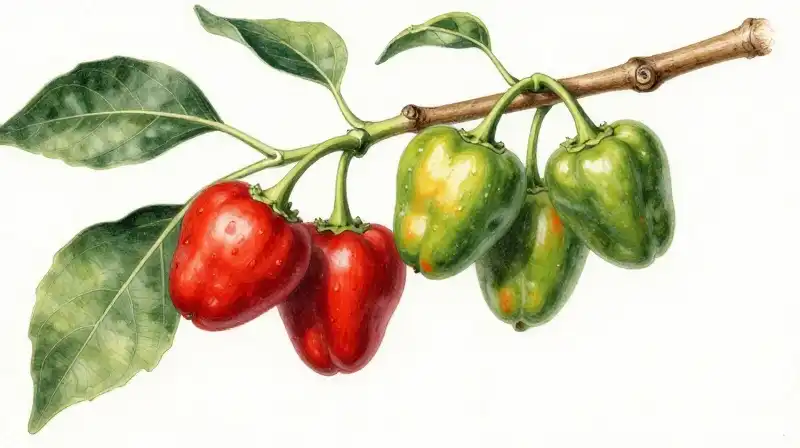
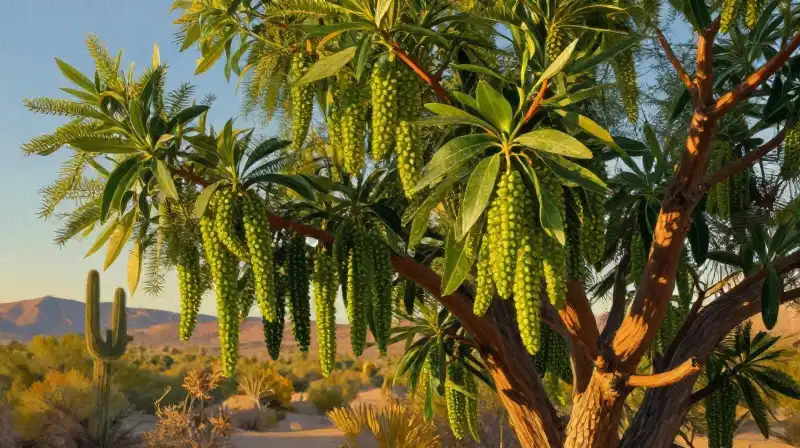
Native to the arid zones of northern South America and the Peruvian Andes, *Schinus molle* is a large, aromatic species within the *Schinus* genus. It is a resilient tree, capable of growing into a substantial five-story specimen, providing significant shade. The tree features rough, grayish bark and a wide spread of pinnately compound leaves.
The most popular feature is the fruit, known as pink peppercorns. It is vital to clarify a common point of confusion: while the dried berries are widely used as a culinary spice, the California pepper tree is botanically unrelated to commercial black pepper (*Piper nigrum*). The visual and gustatory similarity is due to convergence, not shared taxonomy. The berries of *Schinus molle* are actually drupes, and they possess a unique flavor profile distinct from the pungent heat of true black pepper.
Despite variations in growth rate based on environmental conditions, the tree is categorized as a hardy, long-lived evergreen that flourishes in regions with low rainfall, making it ideal for xeriscapes.
Cultivation and Growing Conditions
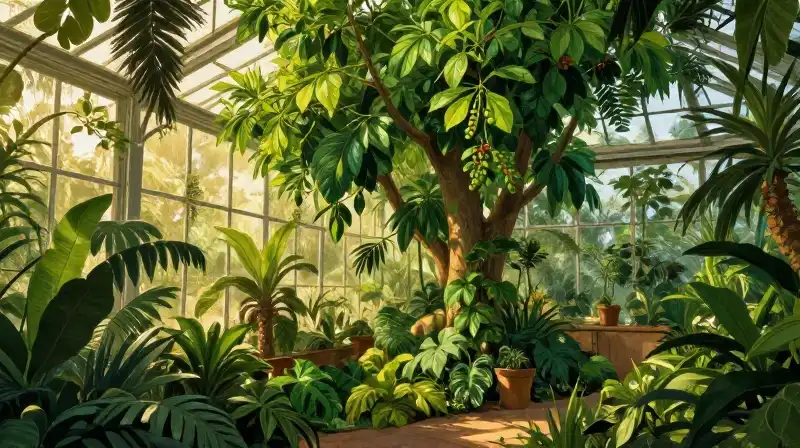
Growing a California pepper tree successfully depends heavily on matching its natural arid requirements. This species requires minimal intervention once established, but certain practical landscaping limitations exist.
Ideal Placement and Climate
The tree thrives in mild to warm, semi-arid climates and requires very little supplemental rainfall. It performs exceptionally well in full sun. While extremely cold temperatures can damage the foliage, it is highly adaptable to drought. A preference for well-drained soil is critical, as standing water can lead to root rot.
Maintenance Considerations
Gardeners must be prepared for several practical challenges associated with large, established trees:
- Root Encroachment: The expansive root system of the California pepper tree can easily encroach upon and damage paved surfaces, walkways, and irrigation lines. Careful initial placement is necessary.
- Litter Production: The tree produces a moderate amount of leaf litter, which requires periodic raking or cleanup to prevent moisture buildup and aid in maintenance.
- Pest Management: The California pepper tree is known to be susceptible to scale infestation. This parasitic insect not only affects the tree itself but can also potentially spread and impact surrounding vegetation, such as nearby citrus trees, necessitating diligent monitoring.
Safety, Toxicity, and Environmental Risks
The decision to install a California pepper tree must weigh its benefits against several serious safety and environmental hazards. These risks are not trivial and require proactive management.
Toxicity to Wildlife and Livestock
Both the leaves and the fruit of the California pepper tree contain trace irritants. The most significant safety concern involves accidental ingestion by domestic animals. These components are potentially poisonous to poultry and pigs, and owners should implement strict protocols to keep livestock away from the canopy.
Ecological and Invasive Potential
Despite its use as an ornamental species in California, the California pepper tree is recognized internationally as a serious invasive weed in several regions. This potential for encroachment upon native vegetation makes responsible sourcing and placement vital. Local environmental regulations should always be consulted prior to planting, especially if the tree is intended for a non-native environment.
Uses: Ornamental, Culinary, and Cultural Applications
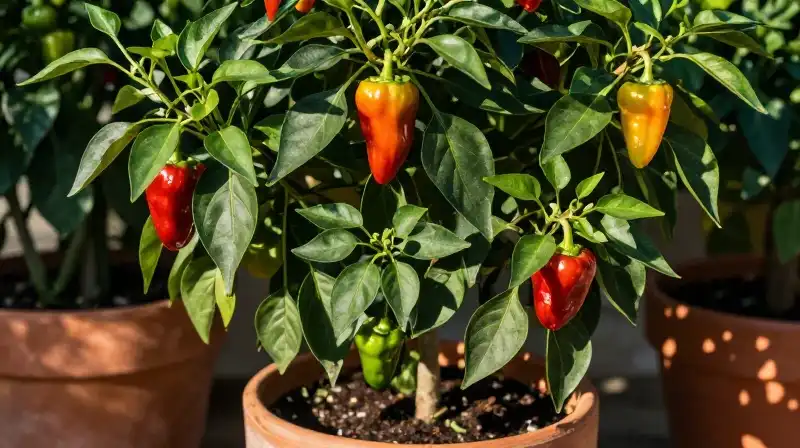
The uses of the *Schinus molle* span horticulture, gastronomy, and history, showcasing its versatility.
Ornamental Value
In landscaping, the California pepper tree is valued for its exotic appearance, ability to provide shade in hot, arid zones, and its distinctive canopy. Its bright red and pink clusters make it an eye-catching specimen. The peeling, deep-red inner wood provides an interesting visual element as the tree matures.
Culinary and Industrial Applications
The dried berries serve as a culinary spice, recognized as pink peppercorns. Historically, these berries and the tree’s raw material have also been used in the Andean region for dyeing textiles and as a raw material in perfumery. Furthermore, the sweet inner pulp of the ripe fruit held deep cultural significance for the Incas, who utilized it to create a fermented beverage known as chicha.
Final Considerations for California Pepper Tree Cultivation
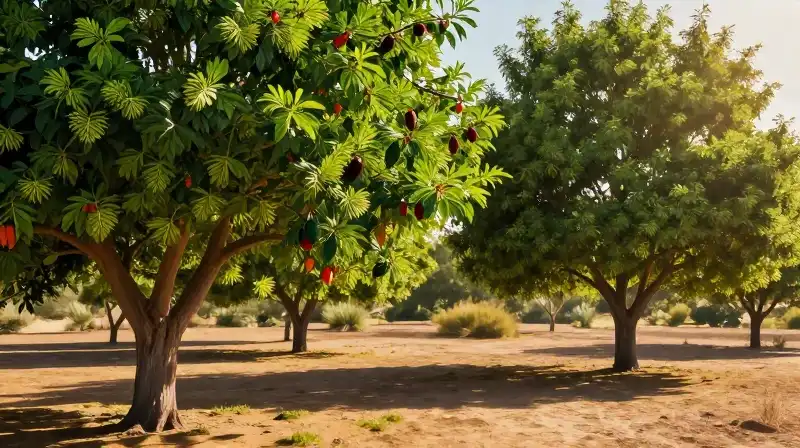
Choosing the California pepper tree as a landscape feature requires a balanced assessment of its strong performance traits against its management demands and inherent risks. It is an excellent choice for drought-tolerant gardening and ornamental shade, provided the planter acknowledges its limitations.
Prior to committing to planting, evaluate the site based on the following criteria:
- Toxicity Management: Is the tree’s location manageable regarding pets, poultry, and livestock? Proximity to areas where animals graze must be carefully managed.
- Root Clearance: Is the location free from valuable paving, delicate structures, or shallow root systems of nearby plants?
- Local Regulations: Has the potential for its invasive nature been considered and cleared by local environmental authorities?
If these conditions are met, the California pepper tree can be a durable, beautiful, and historically significant addition to any hardy, sun-drenched landscape.
How to Evaluate a Site for California Pepper Tree Cultivation
Evaluate Toxicity Management
Determine if the tree's location is manageable regarding pets, poultry, and livestock, ensuring strict protocols are in place to keep animals away from the canopy.
Ensure Root Clearance
Inspect the location to confirm it is free from valuable paving, delicate structures, or shallow root systems of nearby plants to prevent future encroachment.
Verify Local Regulations
Check with local environmental authorities to address the tree's potential invasive nature and ensure compliance with regulations before planting.
Related Articles