Grey Owl Juniper: Growing Guide, Uses, and Care Tips

Introduction
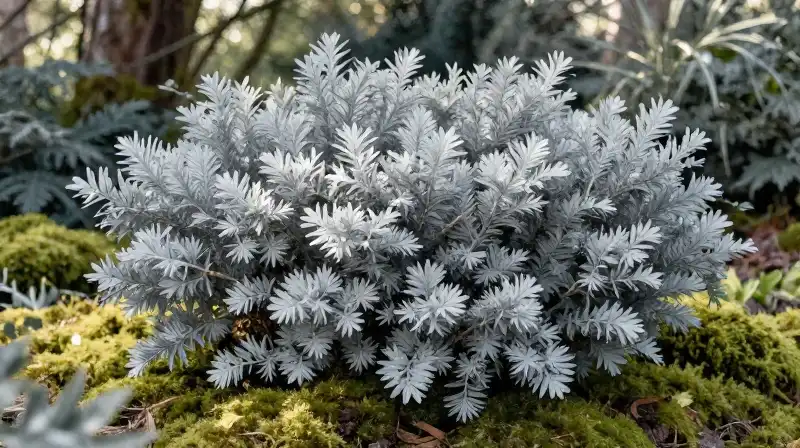
The Juniperus virginiana ‘Grey Owl’ offers a unique combination of compact structure and striking, silvery foliage, making it a prized choice for adding year-round architectural interest to smaller landscapes. Often recognized as a cultivar of eastern red cedar, this specific variety delivers a slower, more controlled growth pattern compared to its wild kin. This evergreen shrub is valued by designers for its ability to thrive in various environments while maintaining a distinctive, low-to-the-ground habit. If you are seeking a hardy, visually stunning shrub that requires moderate care and fits tightly into urban or constrained spaces, the Grey Owl Juniper is an excellent candidate for your garden.
Physical Characteristics and Aesthetic Appeal
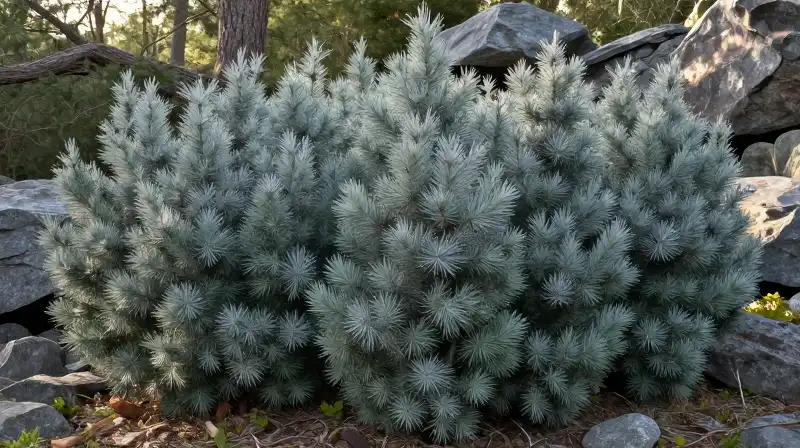
The defining feature of the ‘Grey Owl’ cultivar is its unique foliar texture and color. Instead of traditional needles, it exhibits scale-like foliage that presents a distinctive silvery blue-gray appearance. This unique color palette allows the shrub to retain visual interest even during cooler months, contributing to the appearance of a winter garden.
Size and Growth Habits
Unlike expansive juniper varieties, ‘Grey Owl’ is bred for a contained form. It typically reaches a maximum height of about 3 feet, while its width can spread up to 6 feet. It is categorized as a dioecious species, meaning individual plants are either male or female. Female plants are responsible for producing visible, berry-like cones—which are often noted for their attractiveness to birds and are generally dark gray to blackish-green.
Optimal Growing Conditions
The Grey Owl Juniper is remarkably adaptable, but success relies on meeting its fundamental requirements regarding light, soil, and moisture.
Sun and Soil Preferences
- Light: The shrub requires full sun to maintain its dense, silvery coloration and overall health.
- Soil: It is tolerant of various conditions, ranging from dry to moist, provided the soil is well-drained. Average fertility is sufficient for most installations.
- Tolerance: Its adaptability makes it suitable for diverse environments, including typical urban settings, and it is known to be highly deer-tolerant.
Water and Drainage Requirements
While the plant prefers moisture, consistent overwatering or continuously saturated soil is a critical avoidance factor. Excellent drainage is paramount. When planting or establishing the shrub, ensure that water does not pool at the root level, as this can lead to root stress and decline.
Landscape Applications and Uses
Due to its compact nature and ability to offer year-round color, the Grey Owl Juniper is highly versatile in landscape design. Its formal appearance allows it to be used effectively in several specific planting scenarios:
- Borders: It is an ideal choice for structuring lawn borders where a low, defined edge is desired.
- Accent Planting: Its sculptural form makes it effective as a focal point in rock gardens or Asian-inspired landscapes.
- Container/Small Spaces: Its restricted growth habit allows it to thrive where space is limited, providing a lush evergreen presence.
- Winter Interest: The unique foliage color and cone production help maintain visual interest throughout the colder seasons.
Common Pests and Health Considerations
Even hardy cultivars can face specific challenges. Regular observation is necessary to catch infestations and fungal issues early.
Pest Management
Watch for the following common pests that can impact the shrub:
- Aphids
- Juniper scale
- Bagworms
Disease and Fungus Awareness
A significant susceptibility exists for this species: it is prone to the rust fungus Gymnosporangium juniperi-virginianae. This fungus typically affects the twigs and leaves and requires careful monitoring. Additionally, fungal issues such as needle blight should be recognized and addressed promptly.
Planting and Purchasing Guidelines
When integrating the Grey Owl Juniper into your design, adhering to specific spacing and purchasing protocols is important for long-term success.
Spacing and Planting Depth
To ensure adequate airflow and allow the shrub room to spread naturally without overcrowding, space individual Grey Owl Junipers between 6 and 12 feet apart. When planting, ensure the root ball is not buried too deep, respecting the plant’s natural depth profile for optimal establishment.
Logistics and Seasonal Availability
If purchasing, note that the availability of Grey Owl Juniper is strictly seasonal and location-dependent. Typically, perennials like this variety are available throughout the growing season, generally running from spring through fall (with fall shipping often occurring between September and November). Shipping timelines and eligibility are highly variable based on your specific geographical region and zip code, so verifying these logistics with the supplier is mandatory before finalizing a purchase.
Practical Synthesis for the Landscape Designer
The Grey Owl Juniper excels in roles requiring structure, low maintenance, and unique texture. While it is highly adaptable to diverse soil types and tolerant of urban pressures, the primary success criteria involve providing it with consistent full sunlight and ensuring that its root zone is never subject to stagnant, saturated water. By managing the specific threat of the rust fungus and maintaining appropriate spacing, you can harness the shrub’s distinctive silvery appeal to create robust and visually striking evergreen borders and accent plantings.
How to Successfully Establish a Grey Owl Juniper
Purchase the Shrub
Ensure the Grey Owl Juniper is acquired during its seasonal availability (spring through fall) and verify all shipping logistics and eligibility with the supplier.
Prepare the Planting Site
Select a location that receives full sun and verify that the soil is well-drained, as continuous saturation is a critical avoid factor for this plant.
Determine Optimal Spacing
To allow for adequate airflow and natural spread without overcrowding, space individual plants between 6 and 12 feet apart.
Plant the Shrub
When planting, ensure the root ball is not buried too deep, respecting the plant's natural depth profile for optimal establishment.
Maintain Proper Watering and Drainage
While the shrub prefers moisture, avoid consistent overwatering and ensure that water never pools at the root level.
Monitor for Pests and Disease
Regular observation is necessary to catch common pests (Aphids, Juniper scale, Bagworms) and monitor carefully for rust fungus or needle blight.
Related Articles