Bottle Palm Growing Guide: How to Care for Your Unique Tropical Palm
Introduction
The Bottle Palm, scientifically known as Hyophorbe lagenicaulis, is a highly sought-after tropical plant, prized for its strikingly unique appearance. Its trunk develops a distinctive, swollen, bottle-like shape that becomes increasingly defined as the palm matures. For gardeners seeking a low-maintenance, architecturally interesting element for a tropical landscape, the Bottle Palm offers remarkable appeal. Unlike many fast-growing, high-maintenance palms, this species is characterized by its slow growth, limited frond count, and exceptional resilience. However, because of its tropical nature and specific structural requirements, proper cultivation is essential to ensure its signature bottle shape and vibrant health. This guide provides the necessary details—from climate limitations to planting techniques—to help you successfully incorporate a Bottle Palm into your collection.
Understanding the Bottle Palm’s Unique Structure
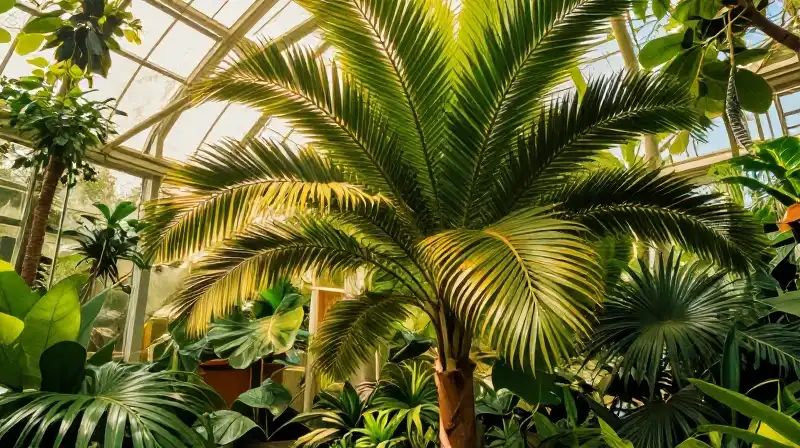
The beauty of the Bottle Palm lies in its slow, deliberate growth. Unlike plants that quickly dominate a space, the Bottle Palm is naturally reserved. It typically features only 4 to 6 arching fronds, giving it an elegant, airy profile that makes it perfect for crowded garden beds or tight containers. The trunk, which starts with defined rings and texture, eventually smooth out as the palm ages, emphasizing its bottle-like silhouette. The foliage consists of feather-shaped, long fronds, and the crown features a graceful reddish shaft that fades as the plant matures.
The slow growth rate is one of the plant’s greatest assets. Most specimens reach a mature height of approximately 5 to 7 feet over many years. This gradual expansion minimizes the need for frequent trimming and allows the palm to remain a stable, charming fixture in a landscape for a very long time.
Hardiness and Climate Requirements
The Bottle Palm is definitively a tropical plant, and its survival hinges on temperature management. It is highly sensitive to cold and will suffer severe damage, such as leaf burn or fatality, if exposed to freezing temperatures.
The plant performs best in warm, consistent environments, thriving in regions like South Florida, Southern California, and Hawaii. When considering local planting, understanding your specific hardiness zone is critical:
- Zone 10B and warmer: These zones allow the palm to tolerate normal winter temperatures, making outdoor ground planting possible with minimal risk.
- Zone 10A and cooler: While possible, these zones require careful protection during colder spells. The palm may need temporary relocation or heavy insulation during potential frosts to ensure optimal health.
Pots Versus Ground Planting: Finding the Right Fit
A common question among gardeners is whether the Bottle Palm performs better in the ground or in a container. Both options are viable, largely due to the palm’s small root ball and slow growth, but they serve different aesthetic and practical purposes. The decision depends on your space and desired function for the plant.
Container Gardening (Pots): This method is highly recommended for urban environments, patios, or entryways. Because the palm grows slowly and has a small root structure, it adapts well to pots. For maximum impact, grouping 2 to 4 palms together in a large container creates a dramatic centerpiece. This approach allows for better control over the environment, which is useful if the palm needs protection from fluctuating temperatures.
Ground Planting: When planted outdoors, the palm requires at least 4 to 6 feet of spacing to allow its limited frond competition to be accommodated. It is well-suited for garden beds and coastal areas where its natural salt and chlorine resistance is an advantage. However, ensure the planting site has excellent drainage, as the palm does not tolerate persistently wet environments.
Optimal Care and Maintenance Protocol
Successful cultivation requires attention to three key areas: light, soil, and hydration. Maintenance remains low due to its slow growth, but specific care ensures maximum vitality.
Light and Placement
The Bottle Palm prefers full sun to partial sun. While it handles some shade, avoiding heavy shade is crucial, as it can cause the plant’s distinctive reddish crownshaft to lean toward the available light, compromising its balanced structure.
Soil and Drainage
Well-draining soil is non-negotiable. Use a high-quality mix that allows excess water to flow away quickly. Standard garden soil may retain too much moisture, leading to root rot. A mix incorporating perlite or sand is highly beneficial.
Watering and Feeding
Once established, the Bottle Palm is moderately drought-tolerant, but consistent watering is necessary to maintain optimal appearance. During the growing season, ensure the palm receives deep watering. Fertilization is straightforward: use a slow-release granular food three times per year—typically in the spring, summer, and autumn—to support its slow, steady growth.
Preventing Common Problems and Optimizing Resilience
While the Bottle Palm is inherently resilient, understanding potential issues allows for proactive care. The species is naturally resistant to many common problems, including many insects, diseases, and the harsh chemicals found in swimming pool chlorine.
However, environmental factors are the most common cause of distress:
| Challenge | Cause | Practical Solution |
|---|---|---|
| Leaf Burn | Excessive exposure to extreme heat or cold (often associated with freezing events). | Ensure placement protects the palm from severe temperature fluctuations. |
| Crown Sagging | Insufficient light or poor soil drainage. | Provide full sun and confirm the soil is draining rapidly. |
| Premature Decline | Overwatering or lack of established root system. | Allow the soil to dry slightly between waterings; do not let it sit in standing water. |
Achieving an Ideal Coastal and Landscape Element
The Bottle Palm’s unique combination of slow growth, tolerance for salt air, and structural elegance makes it an ideal choice for specific landscape applications. Because of its natural resistance to coastal conditions, it is particularly well-suited for xeriscapes or high-traffic beachfront areas. Its manageable size and limited frond competition mean that it is perfect for defining entryways, filling pockets in busy garden designs, or serving as a sophisticated, singular statement piece in a large planter.
By respecting its tropical needs, especially concerning drainage and temperature, you can ensure your Bottle Palm thrives, delivering years of unique, architectural beauty to your garden.
Frequently Asked Questions
Do bottle palms do well in pots?
Yes, Bottle Palms adapt well to pots, making container gardening a viable method for urban environments and patios. Because the palm grows slowly and has a small root structure, this method allows for better control over the plants environment.
How to Successfully Cultivate a Bottle Palm
Determine Planting Method
Decide between container gardening (pots) or ground planting; for ground planting, ensure at least 4 to 6 feet of spacing is maintained.
Ensure Climate Suitability
Verify the location meets tropical requirements, ideally in Zone 10B or warmer, and plan for protection if temperatures drop below freezing.
Prepare Soil and Placement
Install the palm in an area receiving full sun to partial sun, using a well-draining soil mix that includes perlite or sand to prevent root rot.
Manage Watering
Provide consistent, deep watering during the growing season, but ensure the soil is allowed to dry slightly between waterings to avoid overwatering.
Fertilize Regularly
Use a slow-release granular food three times per year, typically during the spring, summer, and autumn, to support slow growth.
Protect from Extremes
Ensure the placement shields the palm from severe temperature fluctuations and harsh environmental factors to prevent leaf burn or crown sagging.
Related Articles