

Bowl of Cream Peony: Defining the Hue and Floral Aesthetic

Introduction
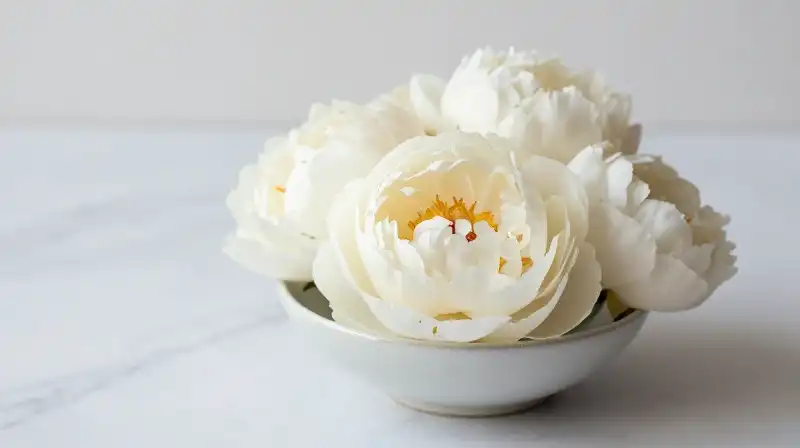
The Bowl of Cream Peony is characterized by its elegant and serene appearance, presenting a harmonious blend of soft coloration and complex bloom structure. It is a variety sought after by enthusiasts who appreciate classic, sophisticated garden accents. Identifying this specific variety requires understanding that its appeal lies not just in a single shade, but in the combination of its distinct cream tones and the characteristic fullness of its ruffled blossoms.
Defining the hue of the Bowl of Cream Peony
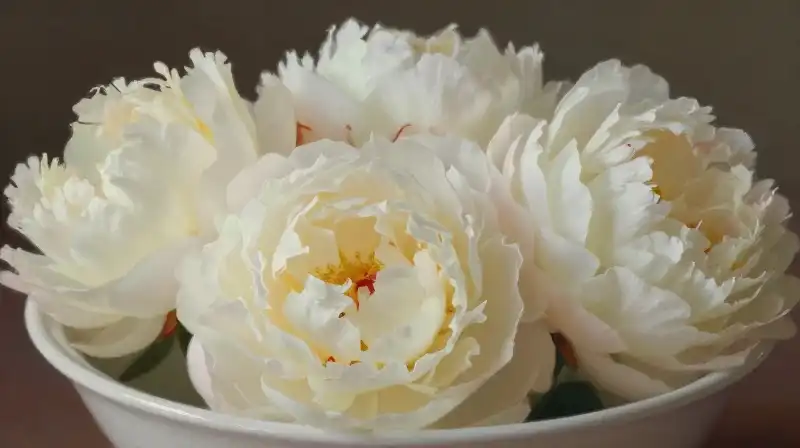 To answer the question of its color, the Bowl of Cream Peony does not typically present a stark, pure white. Instead, its hue is a rich, buttery cream—a color that often possesses subtle warmth and depth depending on the light. This creamy tone distinguishes it from snow-white varieties, allowing it to blend seamlessly into garden settings while still maintaining a beautiful contrast against deep green foliage. The visual character of the bloom is highly dependent on this specific cream shade. The petals are thick, lending the flower a substantial, high-quality appearance. As the flower matures, the center of the bloom may transition subtly, but the overall impression remains one of gentle, luminous cream, making it one of the most desirable colors for achieving an elegant and subdued floral palette.
The floral aesthetic and structure
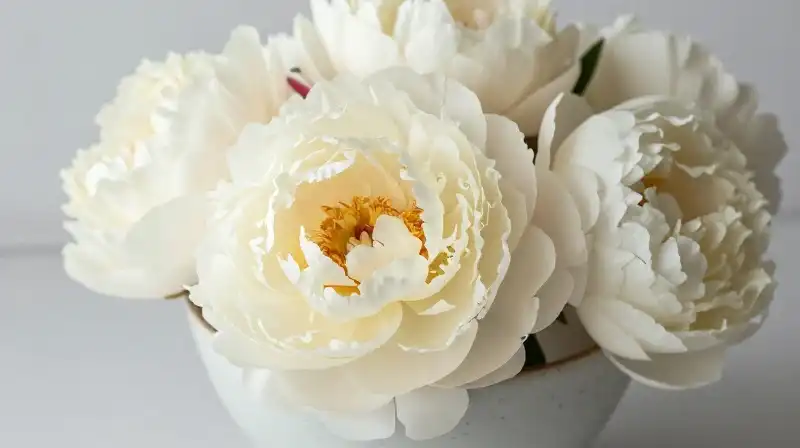 The true aesthetic appeal of the Bowl of Cream Peony lies in its structure. Unlike many simple flat-petaled varieties, this peony features large, full, and heavily ruffled blooms. The name suggests a sense of abundant, bowl-like fullness, where the petals cascade and curve outwards, creating a dramatic and lush effect. This volume is what elevates the flower beyond a simple white peony. The density of the petals provides a rich texture, which is contrasted beautifully by the vibrant, deep green leaves of the plant. This interplay between the creamy, voluminous flowers and the defined foliage creates the sophisticated, timeless look that makes this peony a staple in both formal landscaping and romantic garden borders.
Cultivation guide for the Bowl of Cream variety
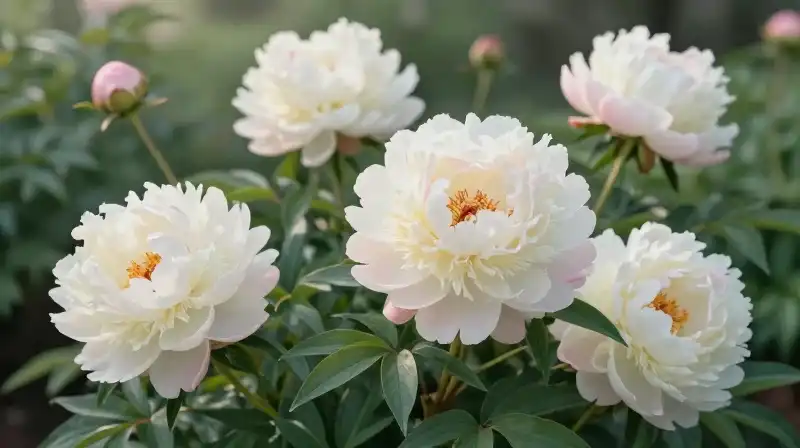 Successful growth of the Bowl of Cream Peony requires attention to specific environmental and soil conditions. These practical steps ensure the plant maintains its characteristic robust blooms and healthy structure.
Optimal growing conditions
For the best results, the Bowl of Cream variety benefits from specific horticultural care:
- Sunlight: Full sun is preferred. Most peonies thrive in locations receiving at least six hours of direct sunlight daily.
- Soil Quality: Rich, well-draining loamy soil is essential. Peonies require consistent moisture but cannot tolerate soggy, waterlogged conditions, which can lead to root rot.
- Planting Time: To allow for optimal establishment, plants should be introduced to the garden in the early spring before the threat of severe cold.
- Feeding: A moderate application of balanced, slow-release organic fertilizer in the spring can help support large, heavy flowering cycles.
Selecting the right peony: Cream vs. Related Varieties
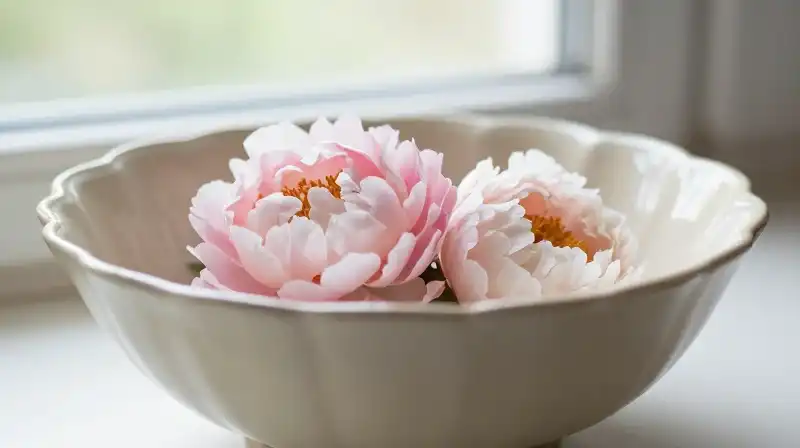 When gardening, it is common to confuse or compare the Bowl of Cream with similar types, such as the Bowl of Love or Bowl of Beauty. Understanding the subtle differences in color, leaf shape, and bloom structure helps in making the right purchasing decision. While both the Bowl of Love and Bowl of Beauty share a similar overall full, ruffled aesthetic, the Bowl of Cream is specifically recognized for its consistent, true buttery cream coloration. If you are looking to find “Cream peonies michaels,” you must verify the specific variety listed, as color can vary even within a general name. To help you decide, consider the criteria for your desired planting:
Frequently Asked Questions
What color is the bowl of cream peony?
The Bowl of Cream Peony is a rich, buttery cream color, rather than a stark, pure white. This hue possesses subtle warmth and depth, maintaining an overall impression of gentle, luminous cream.
How to Cultivate the Bowl of Cream Peony
Determine Location
Ensure the location provides full sun, meaning at least six hours of direct sunlight daily.
Prepare Soil
Select rich, well-draining loamy soil, ensuring it can maintain consistent moisture without becoming waterlogged.
Plant at Optimal Time
Introduce the plants to the garden in the early spring, prior to the threat of severe cold, to allow for optimal establishment.
Apply Fertilizer
Apply a moderate amount of balanced, slow-release organic fertilizer in the spring to support large, heavy flowering cycles.
Related Articles