Ilex verticillata Winter Red Planting Guide and Care Tips

Introduction
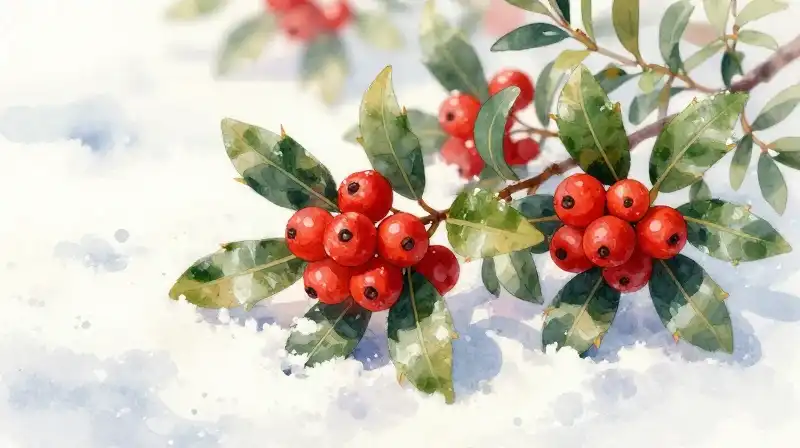
Ilex verticillata ‘Winter Red’ is a highly valued, deciduous female cultivar of the native winterberry shrub, prized primarily for its spectacular display of vibrant, ruby-red berries. As a compact, reliable garden feature, it offers critical winter interest and ecological benefits, serving as a crucial food source for birds and mammals. If you are considering planting this variety, understanding its specific needs—particularly its site requirements and essential growing conditions—is key to ensuring consistent health and heavy fruiting.
Optimal Site Selection and Soil Requirements
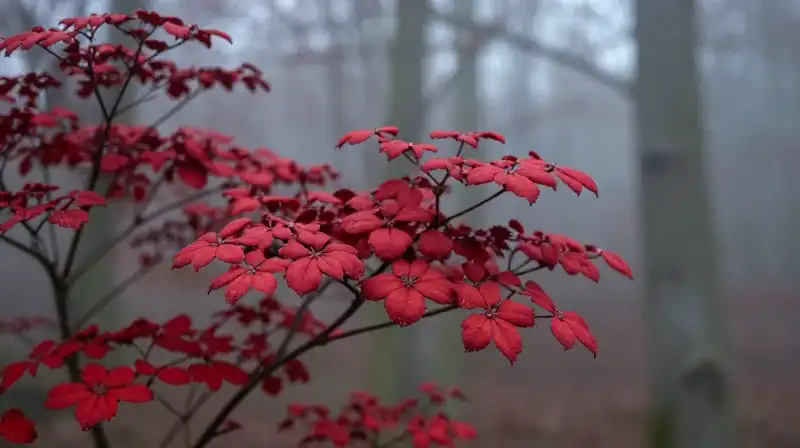
The success of ‘Winter Red’ hinges largely on the environment you provide it. While the shrub demonstrates strong adaptability, certain conditions dramatically influence its vibrancy and productivity.
Sunlight and Exposure
This shrub thrives in conditions ranging from full sun to part shade. Optimal placement involves several hours of direct sunlight, which encourages the growth of dark green, lustrous foliage and supports robust fruiting. However, it can adapt to partial shade, though excessive shade may diminish its overall visual impact.
Soil Composition and Acidity
The preferred soil type is moist, organic-rich loam with a distinctly acidic pH. This is not merely a preference; acidic conditions are vital for preventing chlorosis—the yellowing of the leaves—which commonly occurs when the soil is neutral or alkaline. Additionally, ‘Winter Red’ shows remarkable resilience in challenging ground; it can tolerate both well-drained and poorly drained, boggy soil, making it suitable for various landscape designs, including rain gardens and native plantings.
Size, Growth Rate, and Pruning Guide
‘Winter Red’ is classified as a slow-growing, deciduous, and suckering shrub. Its typical size and maintenance schedule are predictable, allowing you to plan its long-term impact on your garden space.
- Mature Height and Width: It generally reaches a mature height of 6 to 8 feet while maintaining an upright, naturally rounded habit.
- Foliage: The leaves are a dark green and reach lengths of 3 to 5 inches. While fall color is usually minimal, some years they may take on attractive maroon tones.
- Pruning Timing: Pruning for shape should be strictly limited to early spring, before the new growth begins. This ensures the shrub maintains its desired form without damaging nascent foliage.
- Growth Habit: Be aware that its ability to sucker means it will continue to spread over time, potentially requiring space for its eventual footprint.
The Essential Pollination Requirement
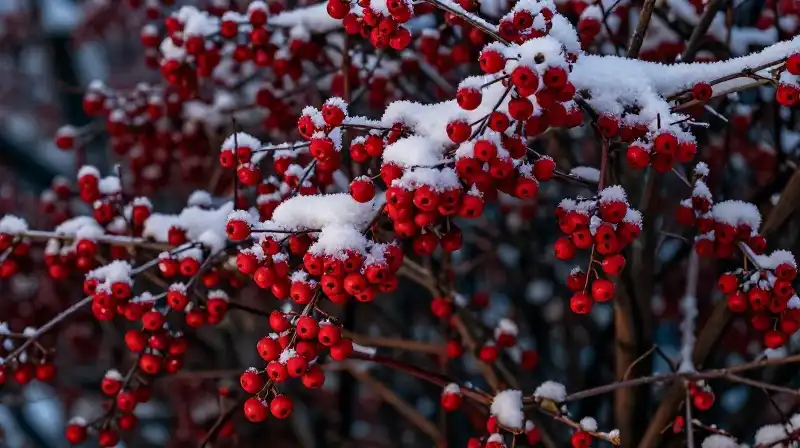
A significant factor in the success of *Ilex verticillata* ‘Winter Red’ is its dioecious nature. This means the shrub is female, and to achieve prolific fruit production, it requires a nearby male winterberry pollinator to cross-pollinate. Without this male presence, the plant may not produce the showy, persistent red berries.
If you are looking for a male counterpart, look for cultivars such as ‘Southern Gentleman’ or ‘Winter Gold’. Planting both male and female specimens together is the most reliable way to ensure a successful fruit display. The connection between these two plants is critical for realizing the plant’s true value as a winter food source.
Maintaining Plant Health and Troubleshooting
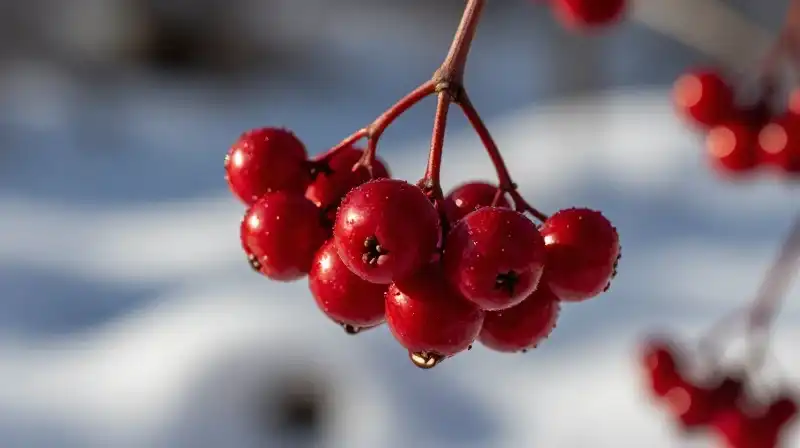
While generally hardy, ‘Winter Red’ can encounter specific challenges that require mindful maintenance.
Common Challenges
The primary maintenance concerns usually involve fungal issues and nutrient availability:
- Pest/Disease Control: Watch for occasional leaf spots and powdery mildew. These are generally manageable with proper air circulation and regular watering.
- Chlorosis: If you notice yellowing leaves, immediately check your soil pH. It is likely too neutral or alkaline for the winterberry.
- Fruit Abortions: To prevent fruit drop, ensure the soil remains adequately moist during the fruiting season; dry conditions can lead to the abortion of berries.
Ilex verticillata Winter Red: Synthesis of Care
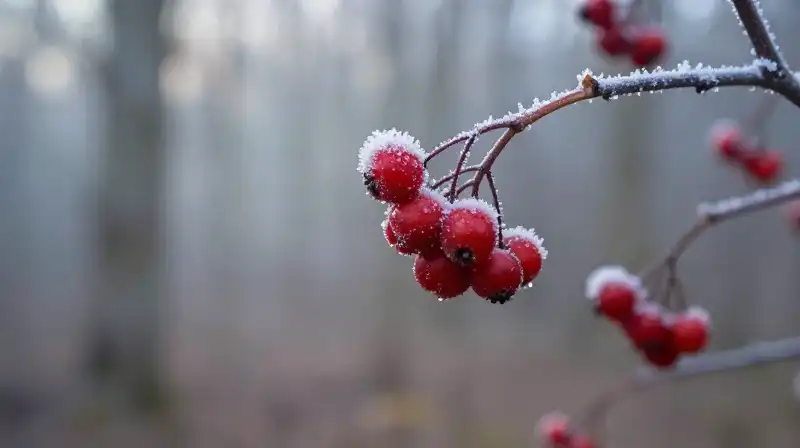
To achieve the striking, year-round interest and heavy fruiting that makes this cultivar a favorite, prioritize these three key areas in your planting strategy:
- Soil Acidity: Prioritize planting in acidic, organic-rich soil to maintain the vibrancy of the dark green leaves and prevent nutrient deficiencies.
- Cross-Pollination: Always pair ‘Winter Red’ with a male cultivar (e.g., ‘Southern Gentleman’) to guarantee the production of brilliant red, persistent fruit.
- Early Spring Pruning: Maintain the shrub’s shape by pruning before new foliage emerges, ensuring its long-term appeal.
How to Cultivate Ilex verticillata 'Winter Red'
Prioritize Soil Acidity
Plant the shrub in acidic, organic-rich soil to maintain the vibrancy of the dark green leaves and prevent nutrient deficiencies.
Ensure Cross-Pollination
Always pair 'Winter Red' with a male cultivar, such as 'Southern Gentleman', to guarantee the production of brilliant red, persistent fruit.
Perform Early Spring Pruning
Maintain the shrub's desired shape by pruning before new foliage emerges, ensuring its long-term appeal.
Related Articles