Chestnut Mushroom: Growing, Identifying, and Using This Gourmet Fungus

Introduction
The chestnut mushroom, scientifically known as Pholiota adiposa, is a distinctive and robust gourmet fungus that offers a complex combination of nutty flavor, deep earthy notes, and a satisfying, almost meat-like texture. Unlike many delicate varieties, the chestnut mushroom is recognized for its substantial, firm structure and its unique ability to maintain its shape even after being cooked. Classified as one of the few edible species within the Pholiota genus, it provides a bold ingredient for those seeking a hearty addition to their cuisine. Whether you are looking for a specialty ingredient from the forest or aiming to cultivate your own, understanding its specific characteristics—from identification to preparation—is key to enjoying this fascinating fungus.
What is a Chestnut Mushroom?
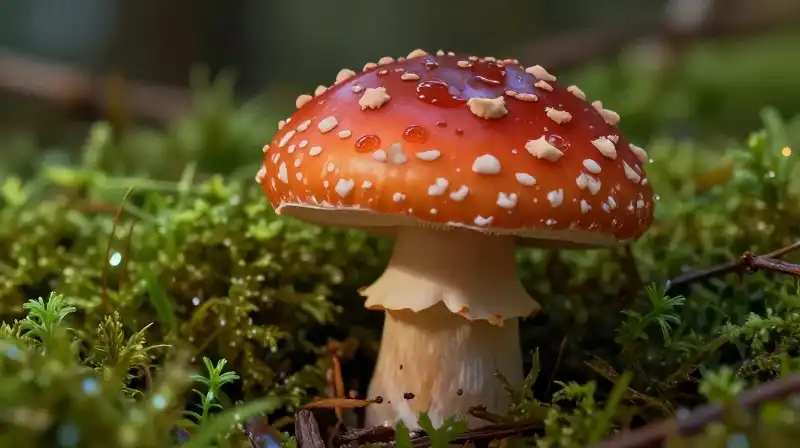
The chestnut mushroom is a parasitic species native to Europe, though it is now cultivated worldwide for its culinary qualities. It belongs to the Pholiota family, a group known for producing mushrooms in distinct, often clustered tufts. Its physical appearance is a defining feature: the caps are typically warm, cinnamon-brown and triangular, covered in tiny, pointed scales. The stems, which are notably long and firm, are often creamy white and contrast sharply with the rich brown of the cap.
Unlike many fungi, the chestnut mushroom is prized specifically for its density and texture. Its flavor profile is deep umami, enhanced by earthy and sweet undertones that make it particularly suited for strong, robust dishes. A practical detail often overlooked is that both the caps and the sturdy stems are completely edible, contributing significantly to the mushroom’s satisfying chew.
Cultivating Chestnut Mushrooms: An Outdoor and Indoor Guide
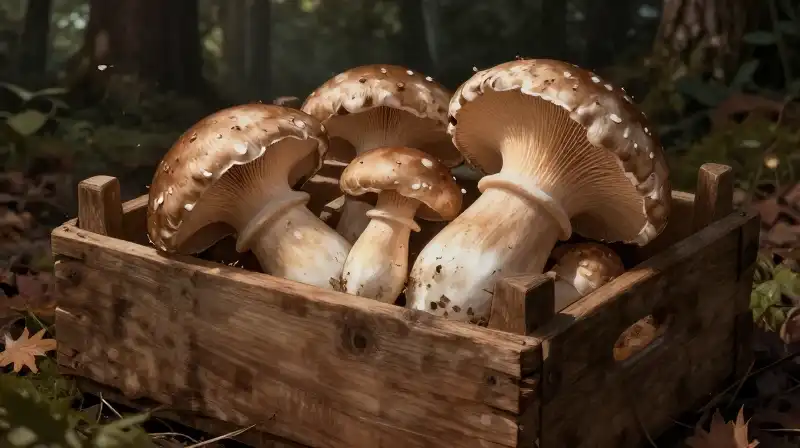
Cultivating chestnut mushrooms requires patience but yields a rewarding harvest. As they are often grown on hardwood, the methods vary depending on whether you choose the intensive indoor route or the traditional outdoor log burial.
Indoor Cultivation
Indoor growing provides a controlled environment ideal for beginners. You can achieve cultivation using commercial grow kits, which are pre-inoculated medium and substrate. For a more advanced approach, specialized monotub kits can be utilized to mimic natural conditions, providing the necessary humidity and temperature for optimal growth. This method allows for quicker results and consistent yields within a small space.
Outdoor Cultivation
For large-scale or hyper-local cultivation, outdoor methods rely on the natural decomposition of hardwood logs. This requires preparation and specific environmental conditions:
- Log Preparation: Choose fresh hardwood logs and ensure they are harvested before the spring bud break. Do not fell trees after the full leaf-out.
- Inoculation and Burial: Dig a shaded trench, typically half the width of the selected logs. Position logs side-by-side to form a raft structure.
- Substrate Packing: Pack the dug soil densely around and between the logs.
- Monitoring: Before burying the inoculated logs, confirm that the medium has achieved full colonization. This is visibly marked by a dull yellowish-white mycelium covering the cut ends.
- Patience: Log burial is a lengthy process, often taking between six months and a year to reach a mature harvest.
Culinary Uses and Preparation
The chestnut mushroom is exceptionally versatile, functioning as both a textural component and a flavor centerpiece. Its firmness means it stands up well to aggressive cooking methods that would cause softer mushrooms to lose integrity.
Flavor and Texture
The defining characteristic of the chestnut mushroom in a dish is its “bite.” It provides a substantial, crunchy texture even when roasted or simmered. Its deep umami and nutty characteristics lend themselves beautifully to complex flavor pairings.
Ideal Cooking Methods
The robust nature of Pholiota adiposa makes it suitable for various high-heat applications:
- Sautéing: Sautéing in butter or olive oil highlights its earthy aroma.
- Roasting: Roasting whole or halved allows the mushroom to caramelize slightly, intensifying its flavors.
- Heartier Dishes: It excels in rich stews, hearty soups, and pasta, where its density can withstand long cooking times.
In certain culinary traditions, particularly those inspired by Japanese cuisine, it is known as numerisugitake. Due to its satisfying chew, the mushroom remains a valuable addition to savory platings.
Nutritional Value
Beyond its gourmet profile, the chestnut mushroom offers several health benefits. It is a rich source of plant-based protein and is naturally low in calories and fat. Furthermore, it contains high levels of antioxidants, which support cell protection and may aid in reducing inflammation. The presence of beneficial polysaccharides, including beta-glucans, contributes positively to immune function.
Cooking and Identification Precautions
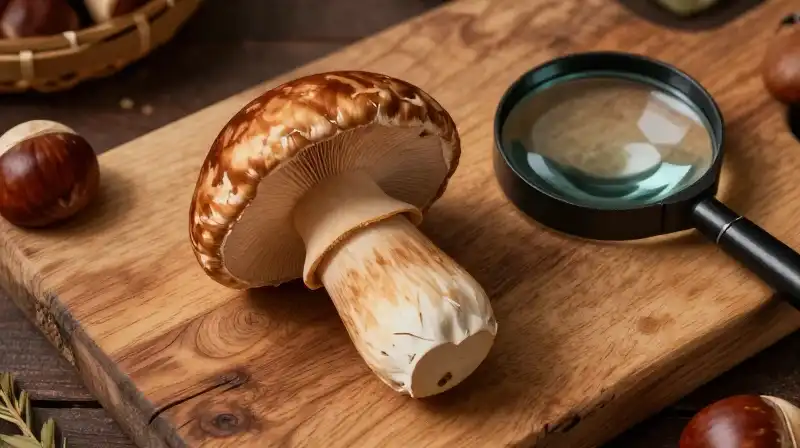
Proper handling and identification are crucial when working with Pholiota species. Many members of the genus are toxic, making the use of scientific Latin names vital for accurate identification in the wild.
Identifying Edible vs. Toxic Species
Never consume a wild mushroom based solely on common names, as toxicity risks are significant within the Pholiota genus. Rely on verifiable Latin identification and physical characteristics—such as the specific triangular shape and pointed scales—to confirm species identity.
Preservation and Cleanliness
To maintain the rich color and structural integrity of the chestnut mushroom during preparation, avoid soaking. Instead, gently brush the caps and stems with a dry brush or damp cloth to remove any soil. When preserving the mushroom for longer periods, pickling or steaming are the recommended methods to lock in both flavor and color.
Final Considerations for the Culinary Enthusiast
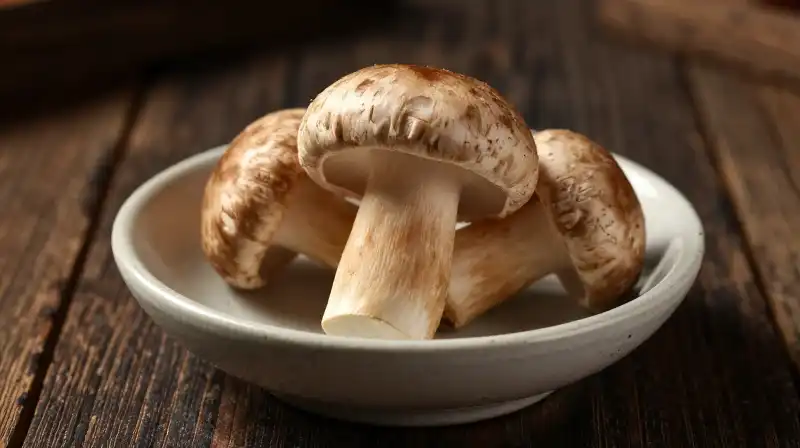
The chestnut mushroom offers a sophisticated texture and a bold flavor profile that elevates it beyond a simple garnish. It is an excellent choice for those seeking a robust, protein-rich ingredient with depth. Whether you are purchasing them for a specific Chestnut Mushroom recipe or investing in a cultivation project, remember that its unique characteristics lie in its density and earthiness. Prioritize using dry cleaning methods and leverage its natural crunch, whether in a quick sauté or a slow-cooked stew, to fully experience the nuances of this gourmet fungus.
Frequently Asked Questions
What is a chestnut mushroom?
The chestnut mushroom, scientifically known as Pholiota adiposa, is a robust parasitic gourmet fungus native to Europe that belongs to the Pholiota family. It is characterized by its substantial, crunchy texture and features warm, cinnamon-brown triangular caps and firm, creamy white stems.
Can I eat all parts of a chestnut mushroom?
Yes, both the caps and the sturdy stems of the chestnut mushroom are completely edible. They contribute significantly to the mushrooms satisfying chew.
How to Cultivate Chestnut Mushrooms Outdoors
Prepare the Logs
Choose fresh hardwood logs and ensure they are harvested before the spring bud break. Do not fell trees after the full leaf-out.
Inoculate and Bury
Dig a shaded trench, typically half the width of the selected logs. Position logs side-by-side to form a raft structure.
Pack the Substrate
Pack the dug soil densely around and between the logs.
Monitor Colonization
Before burying the inoculated logs, confirm that the medium has achieved full colonization. This is visibly marked by a dull yellowish-white mycelium covering the cut ends.
Allow for Maturity
Log burial is a lengthy process, often taking between six months and a year to reach a mature harvest.
Related Articles