Growing Eucalyptus Seedlings: Step-by-Step Cultivation Guide
Introduction
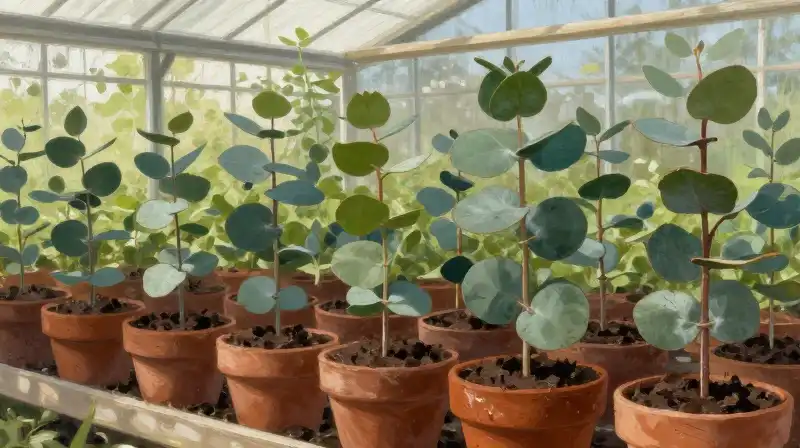
Cultivating a Rainbow Eucalyptus from seed is a journey into one of the planet’s most unique and massive tree species. Unlike traditional horticultural guides, the process of growing Eucalyptus requires specific environmental management, particularly in its germination phase. A complete and healthy seedling—one of the “Eucalyptus seedling” you are cultivating—starts not with a general planting, but with a precise process involving cold stratification, controlled temperatures, and careful light management. This guide provides a detailed, step-by-step approach to navigate the complexities of Eucalyptus cultivation, ensuring your investment grows into a viable tree, whether you are preparing for a small display or a future landscape feature.
Sowing Eucalyptus Seeds: Optimal Timing and Preparation
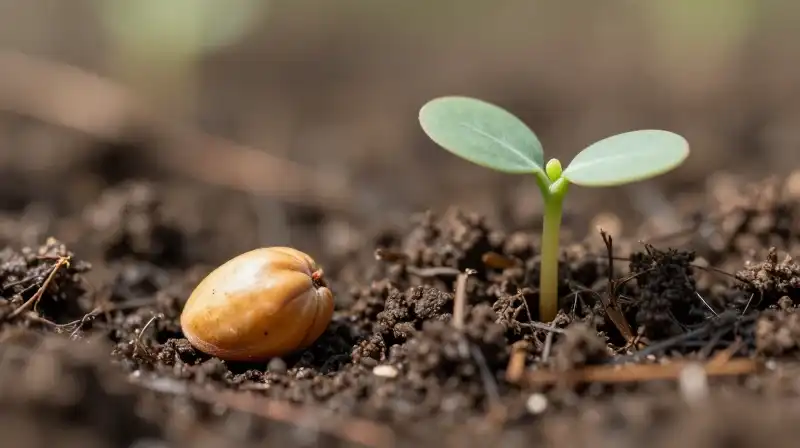 To maximize your chances of successful germination, the timing and initial preparation of your environment are critical. Eucalyptus seeds are naturally adapted to specific seasonal conditions, and starting indoors during the peak growing months is ideal.
The most common and effective time to begin sowing eucalyptus seeds indoors is during the spring or summer. This timing ensures the established seedlings have enough warmth and light to transition into their permanent outdoor home later. Prior to planting, it is essential to understand that seeds require a period of cold storage to break dormancy. This process is called cold stratification.
The Cold Stratification Phase
Many Eucalyptus seeds must undergo 3 to 4 weeks of cold storage before they will attempt to sprout. During this period, store your seeds in a sealed, airtight container inside a refrigerator. This mimics the natural cool winter environment and triggers the physiological response needed for successful germination. Always keep your seeds cool and dry until you are ready to sow them in a moisture-retaining medium.
Establishing the Germination Environment
Once seeds are cold-stratified, they are ready for sowing. Use a small seed tray or starter tray, filled with a light, sterile seed starter soil. The goal during germination is controlled moisture and high light exposure. It is critical that the initial sowing medium is maintained at a slightly moist, but not saturated, state. To assist in retaining this vital moisture, utilizing a specialized propagator or a covered germination tray is highly recommended during the early stages of growth.
Optimizing Germination: Temperature and Light Requirements
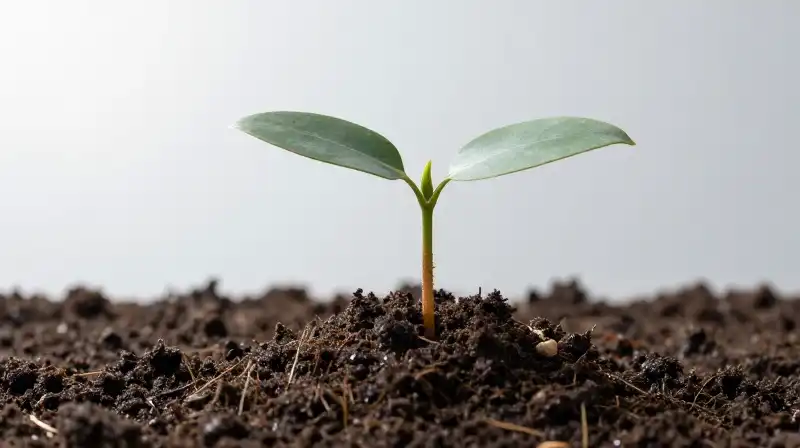
Successful germination for the “eucalyptus seedling” depends heavily on maintaining the correct internal environment. Eucalyptus species thrive when their environment mimics their ideal growing climate, particularly regarding heat and light.
Temperature Control: The optimal germination temperature for Eucalyptus is approximately 21°C (70°F). This consistency is key; avoid sudden temperature fluctuations which can disrupt the seed’s metabolic process. Keep the germination area stable and monitor the temperature closely, particularly during the first two weeks.
Light Exposure: During the initial germination phase, the seeds must be exposed to adequate light but should not be covered. Light assists the seed in absorbing necessary energy, even before the sprout emerges. While seeds need protection from predators, they must also have unimpeded access to light to begin the process of photosynthesis.
Post-Germination Care: From Seedling to Pot
As soon as the first sprouts emerge, the care routine changes, shifting focus from triggering growth to protecting and encouraging robust development.
Nutrient and Water Management
Eucalyptus seedlings have very delicate root systems. To prevent root rot and ensure strong growth, seedlings should only be watered from below. Allowing the medium to wick water up into the soil via the drainage hole is the safest method, avoiding the direct application of water to the soil surface, which can displace delicate young shoots.
The optimal growth period for germination typically lasts around 14 days, although extended periods are common. If your Eucalyptus seedling shows no sign of growth after six weeks, it may warrant another cold storage period (3 to 4 weeks) to potentially trigger a delayed sprout.
Transplanting for Early Development
Do not leave your Eucalyptus seedling in the original starter tray indefinitely. Once the plant has developed three to four true leaves and its root structure shows signs of needing more space, it is time to transplant it into larger, more substantial trays. This allows the seedling to develop a robust root system, which is crucial for survival when it eventually moves to a permanent location.
Transitioning to Permanent Location
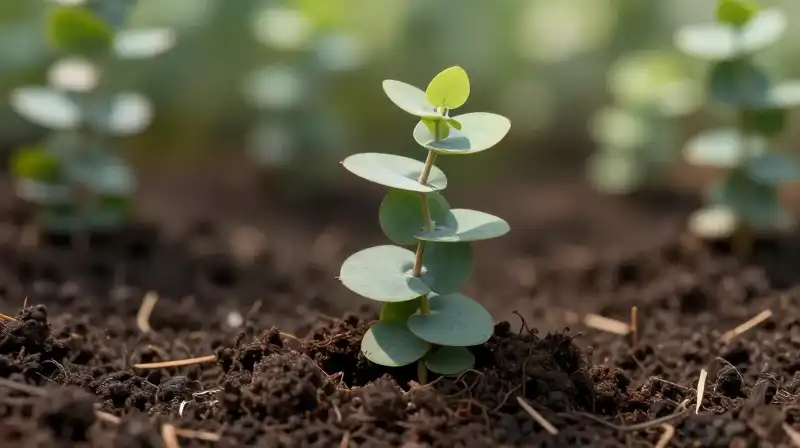
Eucalyptus species are inherently outdoor plants that require consistent and bright conditions. Successful cultivation requires planning for the transition from a small container environment to the natural landscape.
Hardening Off and Placement
Since Eucalyptus is an outdoor species, seedlings require bright light and should be accustomed to outdoor conditions gradually. You can either plan to plant the Eucalyptus seedling in its permanent outdoor position by mid-summer or continue growing it in containers. If you live in a climate with harsh or cold winters, even young plants must be protected during frost, requiring placement in a greenhouse or covering against severe weather. For optimal growth, many growers recommend periodic pruning to encourage a fuller, bushier shape rather than allowing it to develop into a single, sprawling trunk early on.
Addressing Common Challenges and Variation in Seedlings
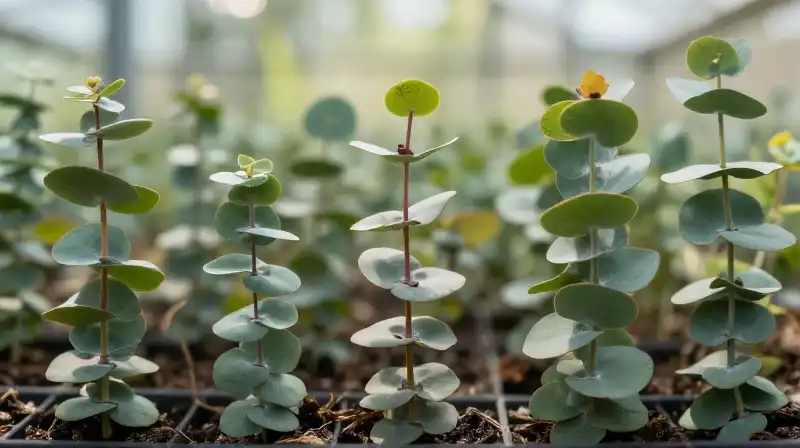
Even with strict adherence to the cultivation guide, some challenges are inevitable. Understanding potential delays and variations can prevent major setbacks.
Why is my Eucalyptus seed delayed or non-sprouting?
The most frequent cause of delayed or failed germination is insufficient cold stratification or temperature inconsistency. Ensure your cold storage period is uninterrupted and that your indoor growth area stays near the 21°C mark. If all conditions are met and no progress is made, the seed may be viable but merely slow, and a secondary cold treatment may be necessary.
Can specific cultivars be used?
Yes, depending on your space and intended use, various species and varieties of Eucalyptus are available, such as Eucalyptus boxwood and Eucalyptus silverdollar. When selecting a specific type of Eucalyptus seedling for sale, consider its mature size and its care requirements relative to your specific climate.
Will Eucalyptus Seedlings Help with Diabetes?
The idea that eucalyptus is a medicinal aid is a common query. It is important to understand that while Eucalyptus oil and various extracts are used in aromatherapy, traditional herbal medicine, and topical applications, there is no conclusive scientific evidence or clinical recommendation to suggest that cultivating or consuming Eucalyptus seedlings helps manage or cure diabetes. These plants should never be used as a substitute for professional medical treatment or prescribed medication for diabetes. Always consult with a healthcare professional for metabolic concerns.
Practical Summary and Warnings
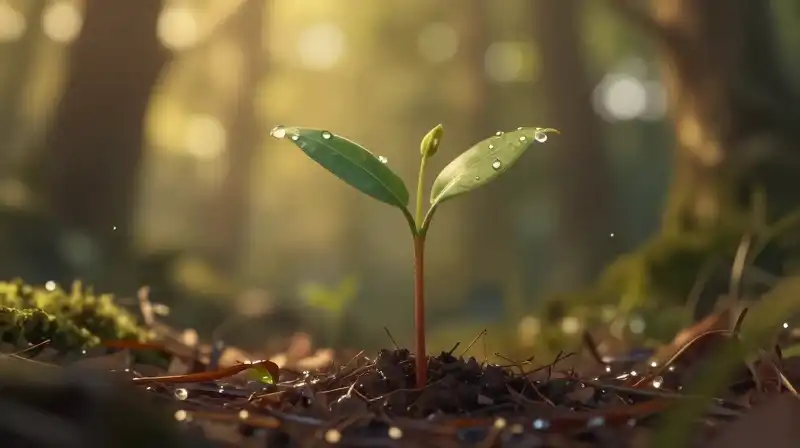
The journey of growing a Eucalyptus from seed is a detailed process requiring patience and precision, starting with cold stratification and progressing through temperature-controlled germination. While the rewards include the opportunity to grow a magnificent tree, the key to success lies in maintaining constant awareness of the plant’s specific needs. Ensure your seedling receives consistent bright light from the moment of emergence. Always remember that Eucalyptus seedlings are transitioning from delicate indoor plants to resilient outdoor specimens; plan your hardening off period and ensure your location can withstand its mature needs, especially regarding cold-weather protection.
Frequently Asked Questions
Does eucalyptus help with diabetes?
There is no conclusive scientific evidence or clinical recommendation to suggest that cultivating or consuming Eucalyptus seedlings helps manage or cure diabetes. The article warns that these plants should never be used as a substitute for professional medical treatment or prescribed medication for diabetes.
How to Cultivate a Rainbow Eucalyptus from Seed
Determine Optimal Timing
Sow Eucalyptus seeds indoors during the spring or summer to ensure the seedlings have enough warmth and light to transition outdoors.
Cold Stratification
Store seeds in a sealed, airtight container inside a refrigerator for 3 to 4 weeks to break dormancy.
Establish Germination Environment
Place cold-stratified seeds in a small tray filled with light, sterile soil, maintaining the medium at a slightly moist state and a constant temperature of approximately 21°C (70°F).
Monitor and Water
Maintain high light exposure and only water the seedlings from below to prevent root rot, allowing the medium to wick water up through the drainage hole.
Transplanting Seedlings
Once the seedling has developed three to four true leaves and its roots require more space, move it into larger, more substantial trays to encourage robust root development.
Hardening Off and Placement
Gradually accustom the seedlings to bright light and outdoor conditions. Plant in a permanent location or ensure protection from harsh winters if in a cold climate.
Related Articles