Growing Bells of Ireland from Seed: A Challenging Guide to Success

Introduction
Growing Bells of Ireland (*Moluccella laevis*) from seed is not a novice gardening task. While the resulting plants produce stunning white, bell-shaped flowers perfect for cut flower bouquets, the journey from seed to thriving plant is technically demanding. If you are determined to attempt this process, success hinges on preparing for specific challenges: breaking seed dormancy, managing rapid temperature shifts, and providing adequate physical support. This guide outlines the necessary steps for those ready to tackle a more sophisticated sowing process.
Seed Selection and Preparation: Addressing Dormancy
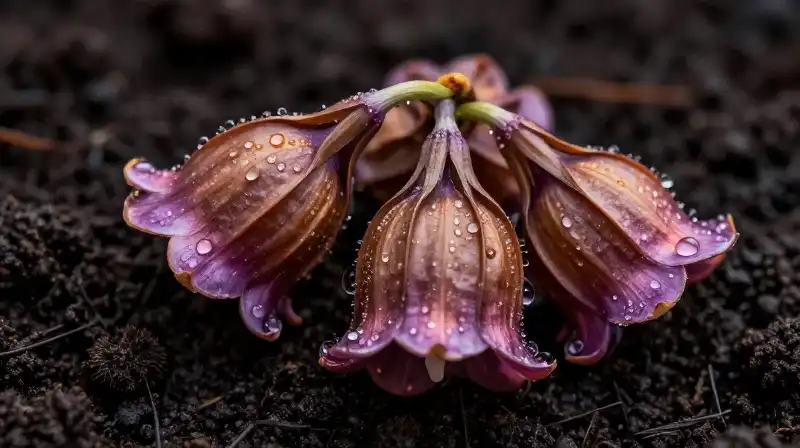
The most critical phase in growing Bells of Ireland starts before the seeds even hit damp paper. These seeds possess a natural cold dormancy, meaning they require a period of cold temperatures to signal that the time is right for germination. If you purchase Bells of Ireland seeds for sale, you must prepare them to bypass this natural pause.
Breaking Cold Dormancy
To simulate the natural seasonal transition and encourage germination, seeds must be placed in a freezer for a period before sowing. This cold stratification period is the most reliable method for preparing the seeds for planting. The duration depends on the specific seed batch, but a typical period of 48 to 72 hours in the freezer is a good starting point.
Softening the Seed Casing
Once the cold dormancy has been addressed, the next physical barrier is the tough outer casing of the seed. Soaking the seeds significantly helps in softening this protective layer, allowing the delicate emerging root to break through without excessive force.
- Soaking Duration: Soak the seeds in cool, clean water for 24 to 48 hours.
- Benefit: This process hydrates the seed and helps soften the outer hull, preparing it for the next stage.
The Germination Process: Achieving Success in Controlled Conditions
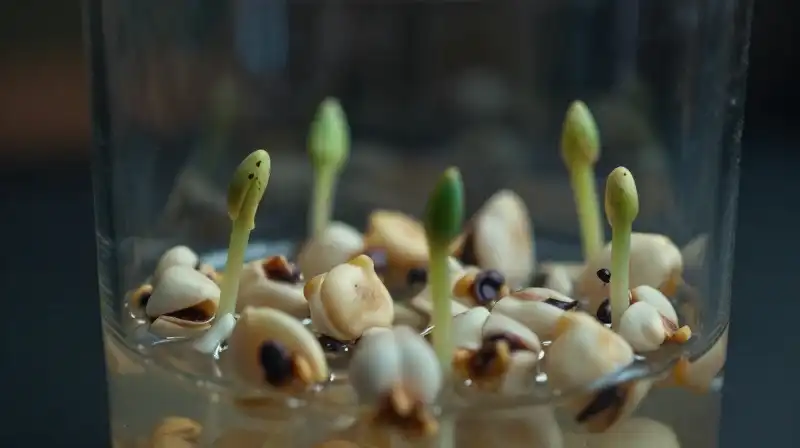
The germination of Bells of Ireland requires warmth and humidity. Because the seeds are tiny and easily damaged, a controlled environment is essential to minimize failure rates.
Setting Up the Sowing Medium
Unlike traditional soil methods, the optimal germination technique involves a moist, lightweight medium designed to keep the seed in constant contact with moisture while providing warmth. This method is highly recommended for managing delicate germination.
- Prepare the Vessel: Select a clear plastic bag or container.
- Prepare the Medium: Gently blot out a paper towel so it is damp but not dripping.
- Sow: Place the soaked seeds between the damp layers of the paper towel.
- Temperature Control: To ensure successful germination, the paper towel setup must be kept in a consistently warm spot or placed on a dedicated heating mat.
Early Care and Environmental Requirements
Once germination begins, the survival of the plant depends heavily on consistent care. Bells of Ireland are adapted to cooler climates and are highly sensitive to environmental stressors, particularly extreme heat and rapid temperature swings.
Managing Light and Temperature
These plants thrive in cooler conditions. Avoid placing them in sudden intense sunlight or areas where temperature fluctuations are common. Consistent warmth during early growth is vital, but extreme heat is detrimental and should be actively managed.
Providing Essential Structural Support
Because the stems can be weakened by wind and rain, external support is mandatory for Belles of Ireland. Without it, the plants are likely to be flattened, hindering their ability to flower and eventually harvest.
During the seedling stage and subsequent growth, use a support system such as light netting or stakes to provide a framework for the developing plants.
Knowing the Harvest Window
A crucial maintenance requirement for this plant is harvesting. As the Bells of Ireland mature, they develop sharp, potentially injurious spines. To prevent injury to people and pets, and to ensure the plant reaches peak bloom before it becomes too thorny, early harvesting of the desired foliage and flowers is strongly advised.
Final Decisions and Practical Warnings

Growing Bells of Ireland is a commitment. Before beginning your sowing journey, consider the inherent risks associated with this challenging variety. While the process is rewarding, it requires meticulous attention to the specific requirements of seed dormancy and cool temperatures.
| Scenario | Potential Outcome | Practical Solution |
|---|---|---|
| Seed fails to germinate | Cold dormancy was not properly broken or medium was too dry. | Re-soak seeds and confirm the heating mat is functioning correctly. |
| Plant stems collapse | External structural support was omitted or insufficient. | Install netting or stakes as soon as new growth emerges. |
| Plant wilts/degrades quickly | Extreme heat or sudden temperature spikes occurred. | Move the plants to a shaded, consistently cool location. |
Ultimately, if the prospect of delicate handling and technical precision is within your capability, the successful cultivation of these magnificent white blooms will be a notable achievement. Always prioritize controlled, consistent care over high-speed growing methods to achieve the best results.
Frequently Asked Questions
Are Bells of Ireland easy to grow from seed?
Growing Bells of Ireland from seed is not a novice gardening task, as the journey is technically demanding and requires meticulous attention to its specific needs. Success depends on tackling challenges like breaking seed dormancy and managing controlled environmental conditions.
Growing Bells of Ireland from Seed
Break Cold Dormancy
Place the seeds in a freezer for a cold stratification period, typically 48 to 72 hours.
Soften the Seed Casing
Soak the seeds in cool, clean water for 24 to 48 hours to hydrate the seed and soften the protective outer hull.
Prepare Sowing Medium
Select a clear plastic bag or container and gently blot a paper towel until it is damp but not dripping.
Sow the Seeds
Place the soaked seeds between the damp layers of the paper towel within the prepared vessel.
Ensure Consistent Warmth
Keep the paper towel setup in a consistently warm spot or place it on a dedicated heating mat to encourage germination.
Manage Light and Temperature
Maintain a cool environment, avoiding sudden intense sunlight and extreme temperature fluctuations.
Provide Structural Support
Install external support such as light netting or stakes during the seedling stage and throughout subsequent growth to prevent the stems from collapsing.
Monitor and Harvest Early
Harvest foliage and flowers early in the plant's development to ensure peak bloom before the stems develop sharp spines.
Related Articles