Nandina Gulf Stream: Characteristics, Care, and Landscaping Benefits

Introduction
Nandina domestica ‘Gulf Stream’ is a highly ornamental evergreen shrub, prized for its compact, vibrant growth and reliable hardiness. Unlike traditional versions of heavenly bamboo that can reach substantial sizes, ‘Gulf Stream’ offers a dense, bushy dwarf habit, maintaining a manageable profile for high-impact landscape design. It serves as an ideal choice for gardeners seeking a low-maintenance plant that provides colorful foliage even during the winter months, while also offering the peace of mind that comes with a non-invasive, sterile variety.
Defining Nandina ‘Gulf Stream’: Characteristics of the Cultivar
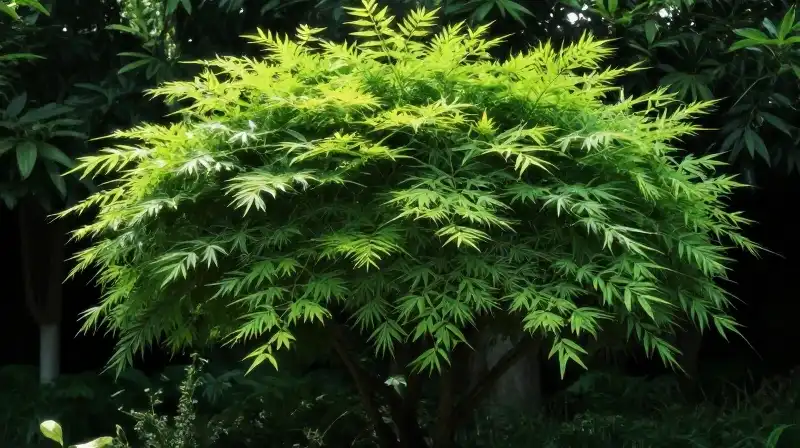
The visual appeal of ‘Gulf Stream’ is rooted in its foliage, which changes color throughout the seasons. It is known for producing attractive, richly colored leaves that emerge with a striking scarlet red hue. These leaves mature over time, retaining a brilliant color that persists well into the cooler winter seasons.
The structure of this specific cultivar is fundamentally different from wild variants. It maintains a compact and bushy appearance, generally reaching a height of approximately three feet with a similar spread. Because ‘Gulf Stream’ is a sterile variety, it minimizes fruit production, which significantly reduces the risk of certain environmental issues and is a key factor in its low-maintenance profile.
Growing and Care Guide

Because of its natural dwarf growth habit, ‘Gulf Stream’ requires minimal intervention regarding pruning. This low-profile nature makes it well-suited for defined spaces like small courtyards or formal borders. Its durability is notable; it is highly drought-tolerant and is capable of thriving in various southern winter conditions.
Optimal Light and Soil Conditions
To achieve its best growth, Nandina requires ample sunlight to maximize color development. While it is resilient, full sun will enhance the vibrancy of its red and green foliage. In terms of soil, while it is forgiving, growth can be inhibited in highly alkaline conditions. Maintaining a moderately well-draining soil type is best for steady, healthy development.
Water Management and Pruning
Due to its drought tolerance, the plant does not demand constant watering once established. However, proper watering during dry periods helps maintain the density of its compact form. Minimal pruning is necessary; allow the plant to grow naturally into its intended bushy shape to benefit from its inherent compact structure.
Common Growth Issues and Mitigation

While ‘Gulf Stream’ is generally robust and resistant to most common insect and disease problems, there are two specific issues gardeners should be aware of.
Sucker Development: Like many woody shrubs, it may occasionally develop suckers (shoots from the rootstock). Routine monitoring is necessary, and removing suckers when they appear helps maintain the clean, defined shape of the ornamental plant.
Chlorosis and Soil pH: Chlorosis, which appears as yellowing foliage, may occur if the soil is too alkaline. Regular testing or the application of amendments to maintain a slightly more neutral or acidic pH can help prevent this discoloration.
Landscaping Versatility and Use
The density and vibrant color palette make ‘Gulf Stream’ an exceptionally versatile plant for various landscape designs. Its low-profile nature allows it to be used in places where taller shrubs might dominate the visual space.
Ideal placements for this variety include:
- Walkway Borders: Used to line paths and define garden boundaries.
- Low Hedges: Providing structured, compact screening without excessive height.
- Courtyards and Entryways: Offering a pop of vibrant color in contained, urban spaces.
- Small Cottage Gardens: Serving as a reliable backbone that retains color even in the winter.
Practical Considerations: Safety and Growth Limits

When considering ‘Gulf Stream’ for a property, addressing common concerns about its behavior and safety is important.
Invasiveness and Toxicity
This specific cultivar is explicitly known for being non-invasive. Its sterile nature prevents the spread associated with traditional fruit-bearing variants. Furthermore, it poses a lower risk of bird poisoning compared to some other species, making it a safer choice for domestic environments.
Hardiness and Wildlife Interaction
‘Gulf Stream’ is highly resistant to deer damage, which is a significant advantage for garden preservation. However, while it is hardy, it may suffer damage during periods of extreme, prolonged cold. For best results, ensure it is planted in a location with adequate winter protection if local temperatures are exceptionally severe.
Final Synthesis: Choosing ‘Gulf Stream’ for Your Landscape

Nandina ‘Gulf Stream’ is a deliberate choice for gardeners who require a reliable, visually stunning shrub with a predictable, compact growth pattern. Its strength lies in its combination of vibrant, year-round color, extreme low maintenance, and lack of invasiveness. If you are seeking a robust evergreen that thrives in southern winter climates and needs minimal pruning, this dwarf cultivar provides a definitive solution for structured and colorful landscaping, provided you monitor soil alkalinity and protect it from extreme cold events.
Frequently Asked Questions
Is Gulfstream heavenly bamboo invasive?
Gulfstream is explicitly known for being non-invasive. Its sterile nature is a key factor in this characteristic, as it prevents the spread associated with traditional fruit-bearing variants.
How to Grow and Maintain Nandina 'Gulf Stream'
Ensure Optimal Conditions
Provide ample sunlight to maximize color development, and maintain a moderately well-draining soil type that is not highly alkaline.
Manage Water Intake
Water properly during dry periods to help maintain the density of the plant's compact form, taking advantage of its natural drought tolerance.
Prune Minimally
Allow the plant to grow naturally into its intended bushy shape, as minimal pruning is necessary due to its natural dwarf growth habit.
Monitor and Remove Suckers
Regularly monitor the plant for suckers (shoots from the rootstock) and remove them when they appear to maintain a clean, defined ornamental shape.
Address Chlorosis
If yellowing foliage (chlorosis) occurs, test the soil or apply amendments to maintain a slightly more neutral or acidic pH to prevent discoloration.
Related Articles