Nandina Gulf Stream: Growth, Care, and Best Uses for Landscape

Introduction
Nandina domestica ‘Gulf Stream’ is a highly valued, compact dwarf cultivar celebrated primarily for its striking, vibrant foliage rather than its ornamental flowers. This shrub offers a unique, dynamic color palette throughout the year, providing year-round interest with its dense, evergreen habit. If you are looking for a low-maintenance, drought-tolerant shrub that excels in compact landscapes, ‘Gulf Stream’ presents a strong option. Its compact growth, typically maturing at about three feet in height and spread, makes it versatile for borders, containers, and formal courtyard features.
Growth Habit and Landscape Fit
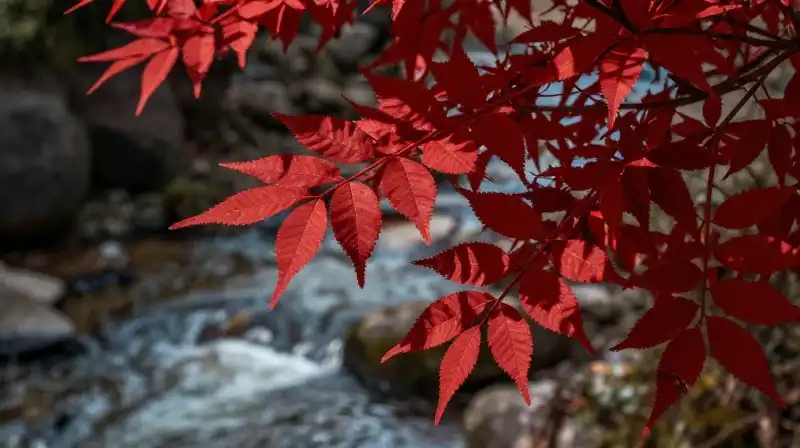
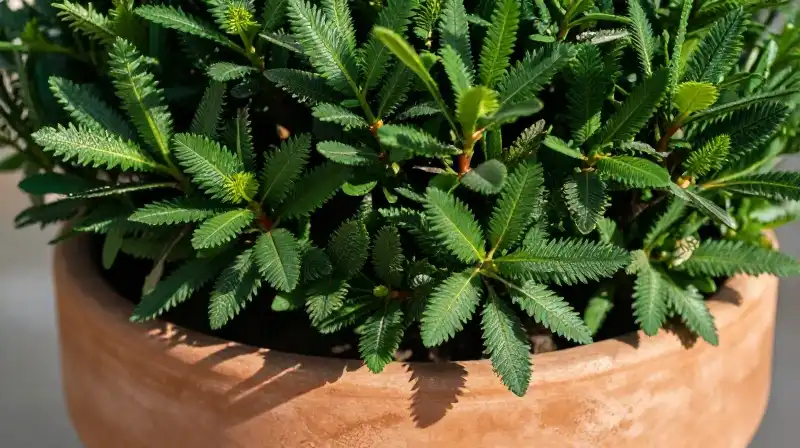
The most significant advantage of the ‘Gulf Stream’ cultivar is its controlled, dense growth. It maintains an upright, bushy, and compact form, allowing it to thrive in areas where larger, sprawling shrubs might be too cumbersome. The plant is slow to establish, with a growth rate averaging approximately one foot per year, so allowing it time to mature is essential for achieving its full decorative potential.
Regarding physical dimensions, the cultivar is designed to remain manageable, reaching a maximum maturity of 3 to 5 feet in height and width. This makes it ideal for:
- Creating low, informal hedges.
- Framing walkways and garden edges.
- Serving as a striking specimen in medium-sized containers.
- Adding color contrast in southern landscaping.
The plant prefers full sun or partial shade. Although it handles various conditions well, maximizing its vibrant foliage color usually requires ample light exposure.
Cultivating ‘Gulf Stream’: Soil and Watering Needs
While ‘Gulf Stream’ is noted for its drought tolerance once established, careful cultivation in its first year is critical for deep root development. It requires well-draining soil; if the soil is too dense or holds too much moisture, root rot can occur. It is also important to note that this cultivar is susceptible to chlorosis—a yellowing of the leaves—if it is grown in excessively alkaline soil. Soil pH closer to neutral is highly recommended.
Fertilization should be simple and preventative. Applying a slow-release fertilizer at the base of the plant in early spring is sufficient to encourage steady growth without promoting excessive, weak branching. Because it is inherently resistant to deer damage, adding deer fencing is typically unnecessary.
The Seasonal Color Cycle
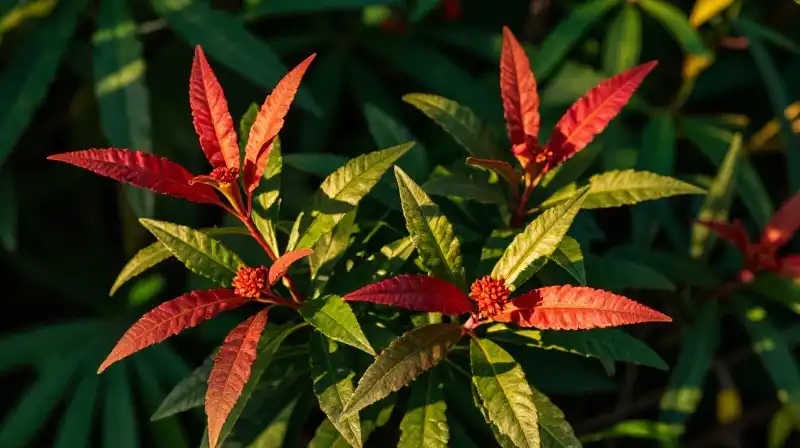
The reason ‘Gulf Stream’ is so popular is its ability to transition through several distinct color phases. This seasonal display makes it far more engaging than standard evergreen shrubs.
The color progression generally follows this pattern:
- Spring: Foliage begins to emerge in vibrant orange or crimson tones.
- Summer: The leaves transition into a lush, healthy blue-green.
- Autumn and Winter: The color deepens dramatically, shifting to deep scarlet red, maintaining excellent vibrancy even during cold months.
In warm climates, the plant may produce small white flowers in the spring, which mature into bright red berries in the fall. While these berries add an extra layer of visual appeal, the plant is classified as sterile, meaning it is a non-invasive variety and rarely produces fruit that would pose a high risk of widespread bird poisoning.
Maintenance and Problem Prevention
Maintenance for ‘Gulf Stream’ is minimal, largely due to its compact nature and resistance to common pests and diseases. However, proper care and pruning are key to maintaining its shape and vigor.
Pruning: To maintain its tidy, bushy form and prevent it from becoming overly leggy, perform pruning during the dormant season—ideally late winter or early spring. This controlled shaping helps preserve the compact size and encourages dense branching.
Climate and Hardiness: The plant is well-suited for a wide range of regions, typically thriving across USDA hardiness Zones 6 through 11. While it tolerates cold, sustained freezing temperatures can still cause some leaf damage, particularly during the first few years of establishment.
Addressing Plant Problems: While widespread major insect or disease issues are rare, if you notice persistent yellowing (chlorosis), the primary culprit is often poor soil quality or high alkalinity. Ensure the drainage is optimal to prevent root issues.
Usage and Practical Limitations
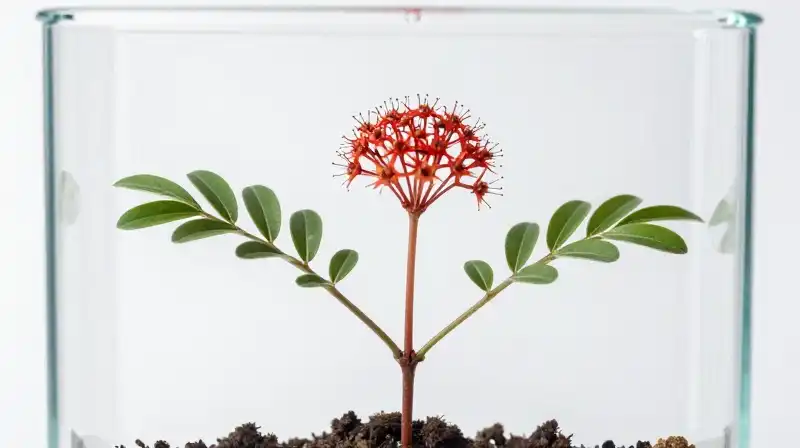
‘Gulf Stream’ is an excellent versatile landscape plant, but it is important to understand its limits when planning a garden.
| Scenario | Recommendation | Reasoning |
|---|---|---|
| Low Hedges | Excellent choice | Dense, compact habit and deer resistance. |
| Container Planting | Ideal | The dwarf size makes it perfectly suited for pots. |
| Large, Sprawling Borders | Not suitable | The plant is naturally slow-growing and remains compact (3-5 ft). |
| Wet, Boggy Sites | Avoid | Requires well-draining soil to prevent root rot. |
Toxicity Warning: It is vital to note that both the foliage and the berries of the Nandina ‘Gulf Stream’ are toxic to livestock and other animals. This must be communicated clearly when planning garden features near animals.
Summary of Decision Factors
When deciding if ‘Gulf Stream’ is the right shrub for your space, consider these criteria. Its primary strengths lie in its aesthetic durability and manageable size. If you require a shrub that provides year-round color without demanding extensive maintenance or requiring constant water, this cultivar meets those needs.
The success of ‘Gulf Stream’ depends on managing its foundational requirements: ensuring well-draining, non-alkaline soil and providing initial diligent watering. By understanding its specific color cycles and acknowledging the critical toxicity warning, you can integrate this attractive and robust evergreen shrub into any landscape successfully.
How to Cultivate and Maintain Nandina domestica 'Gulf Stream'
Select Optimal Location
Place the shrub in a location that receives full sun or partial shade to maximize its vibrant foliage color.
Prepare the Soil
Ensure the plant is in well-draining soil that is close to neutral pH. Avoid excessively alkaline soil to prevent chlorosis (yellow leaves).
Apply Fertilizer
Apply a slow-release fertilizer at the base of the plant in early spring to encourage steady growth without promoting weak branching.
Prune for Shape
To maintain a tidy, bushy form and prevent the plant from becoming leggy, perform pruning during the dormant season, ideally late winter or early spring.
Monitor for Health Issues
Monitor the plant for persistent yellowing. If noticed, ensure drainage is optimal and check soil quality, as poor soil or high alkalinity is the usual culprit.
Related Articles