Holmstrup Arborvitaet: Cultivar Details and Deer Resistance

Introduction
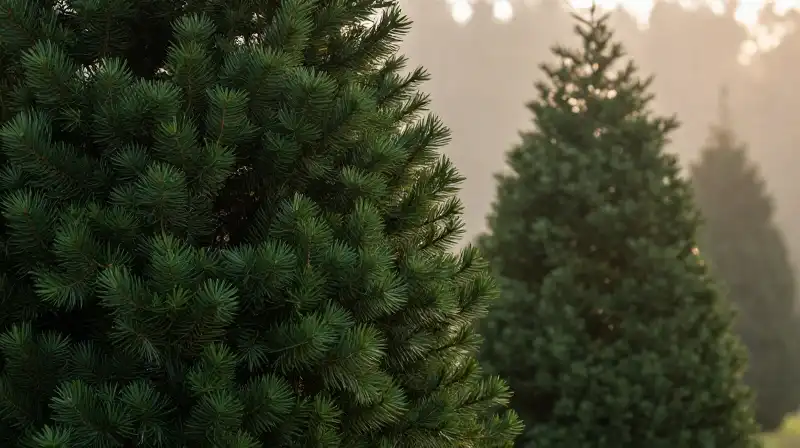
The Holmstrup Arborvitaet is a highly specific cultivar of American or Eastern arborvitaet (*Thuja occidentalis*) valued by designers who require strict control over the mature size and shape of their evergreens. Unlike faster-growing varieties, Holmstrup was introduced in 1951 and is characterized by its naturally slower development, allowing for a dense, narrow-pyramidal structure that maintains its aesthetic appeal throughout the year. Understanding the unique growth pattern and environmental considerations of this species is essential for successful landscape integration.
Cultivar Profile and Growth Dynamics
Holmstrup is defined by its compact and deliberate growth rate. This slow maturation is one of its primary advantages, offering homeowners the ability to maintain size consistency compared to more aggressively spreading cultivars. Its foliage is composed of rich green, scale-like leaves arranged in vertical sprays, giving it a dense texture that retains color even through the winter months.
Size and Shape Over Time
The controlled growth of Holmstrup means that its development can be mapped with reasonable accuracy:
- Early Growth Phase: When young, Holmstrup typically reaches heights between 5 to 8 feet during its first ten years of establishment.
- Maturity: Mature specimens are expected to eventually reach heights of 10 to 15 feet, maintaining a consistent, narrow-pyramidal silhouette.
- Structural Characteristics: The tree consistently displays a dense habit, minimizing unnecessary shedding and creating a robust visual presence.
Addressing Deer Resistance Concerns
The question of whether deer eat Holmstrup arborvitaet is a critical decision point for landscape planning. Generally, *Thuja* species are considered desirable forage for browsing animals, including deer. While there is no definitive, guaranteed resistance to herbivory in any cultivated plant, factors like density and the maturity of the specimen can influence how much pressure an animal applies.
Holmstrup’s dense foliage and structured form make it a challenging target, but relying solely on the plant for protection is often insufficient. If deer resistance is a primary requirement, a layered approach—including natural deterrents, fencing, or strategically placed plantings—is advisable rather than depending on the intrinsic defenses of the tree itself.
Holmstrup vs. Alternative Cultivars: Selection Criteria
When evaluating Holmstrup, it is often compared to varieties like the Emerald Green, which presents a different value proposition. The choice between the two typically hinges on the gardener’s need for controlled growth versus maximum density or rapid screening.
| Feature | Holmstrup Arborvitaet | Standard High-Density Alternatives |
|---|---|---|
| Growth Rate | Slow, controlled, consistent. | Often faster, prioritizing rapid screening. |
| Density/Shape | Dense, narrow-pyramidal, highly structured. | Often dense and broader, focused on coverage. |
| Maintenance Focus | Long-term structure and color retention. | Rapid establishment and coverage. |
If precise footprint control and excellent winter color retention are priorities, Holmstrup is an ideal choice. If rapid, opaque coverage is the immediate goal, a different selection may be more suitable.
Practical Planting Considerations
Successful cultivation of Holmstrup Arborvitaet depends on considering local growing conditions and planning the layout for proper airflow and light.
Zoning and Soil Requirements
As a perennial, Holmstrup thrives in established landscapes. While specific hardiness zones vary by region, these trees generally prefer conditions that allow for consistent moisture without standing water, and they handle light shade well. Providing ample drainage is key to preventing root issues.
Spacing and Layout
Because Holmstrup is noted for its compact nature, careful spacing should be employed to ensure proper sunlight penetration and air circulation. Overcrowding, even with a slower grower, can lead to reduced vigor and increased susceptibility to pests and disease. When planning installation, consider the full, mature 10-to-15-foot width when determining distance between specimens.
Logistics and Regional Availability
Purchasing Holmstrup Arborvitaet involves logistical factors, especially concerning its season of shipping. Availability is dependent on the specific geographical region and the established shipping schedules.
- Regional Shipping: Shipping is generally available from spring through fall. The earliest start date for the Southern Region is March 15th.
- Northern Cold Regions: Shipment schedules commence on April 22nd and continue through November 7th.
- Local Delivery: Within a close radius of Waterloo, WI, local delivery is offered between April 22nd and November 7th.
Buyers should confirm the precise shipping information on the product page before finalizing their order, as these general timelines are subject to change based on inventory and regional weather.
Final Decision: Utilizing Holmstrup Arborvitaet
The Holmstrup Arborvitaet is not a fast-screening or quick-cover evergreen; it is a long-term landscape architectural element. Its slow growth rate and consistent, narrow form make it exceptionally useful for defining boundaries, creating visual structure, or integrating into established, mature plantings where size control is paramount. If your landscape goal is defined by permanence, controlled dimension, and deep winter color, this cultivar offers a unique and predictable solution. Always prioritize checking the seasonal shipping availability for your specific location before proceeding with planting.
Frequently Asked Questions
Do deer eat Holmstrup arborvitae?
While Thuja species are generally considered desirable forage for animals like deer, there is no guaranteed resistance to herbivory in any cultivated plant. Although Holmstrups dense foliage and structured form make it a challenging target, relying solely on the tree for protection is often insufficient.
Related Articles