Nicholas Dahlia: Peachy-Coral Informal Variety Care and Details

Introduction
The Nicholas dahlia offers a robust and visually striking addition to a late-season garden. Unlike many traditional varieties, Nicholas falls into the informal decorative form, prized for its substantial presence and vibrant peachy-coral palette. If you are planning a planting focused on strong, architectural blooms that emerge toward the latter part of the growing season, understanding the specific cultural needs and growth habits of this variety is essential for maximizing its aesthetic value and ensuring long-term plant health.
Appearance and Growth Profile
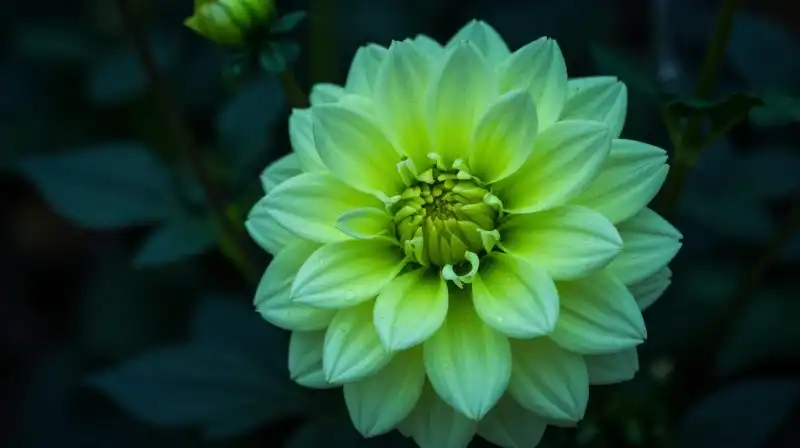
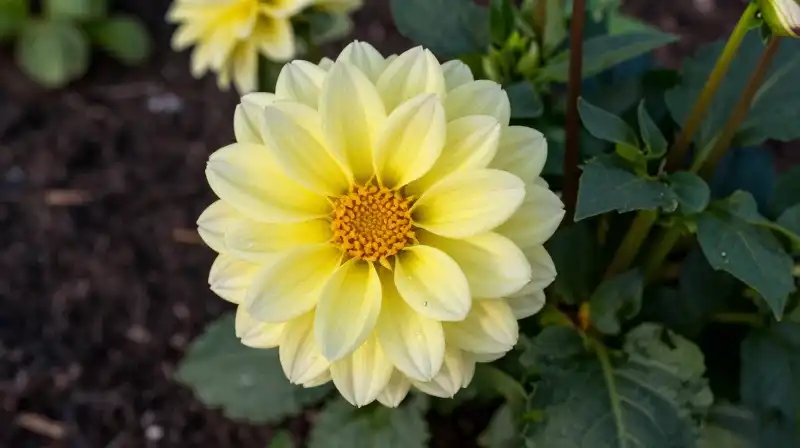
As a dahlia tuber, Nicholas exhibits a specific growth trajectory and mature form. When fully developed, the plant is expected to reach a height between 30 and 36 inches. Its most defining feature is the large size of its blooms, which typically reach approximately 6 inches. The coloration is consistently described as a vibrant peachy-coral, creating a warm and striking focal point in any planting scheme. The overall growth habit is characterized by robust stems and dense foliage.
A key attribute of the Nicholas dahlia, which elevates its appeal beyond simple coloration, is its tendency for attractive and intense secondary budding. This means the plant produces prolific blooms over an extended period, reinforcing its status as a highly productive cultivar.
Cultivation Requirements and Spacing
Because the Nicholas dahlia maintains dense foliage and develops secondary buds, optimal performance requires careful management of its placement. Improper spacing can lead to competition for light and nutrients, resulting in fewer blooms and reduced plant vigor. Therefore, adequate clearance is non-negotiable.
For best results, always provide a spacing of at least 18 inches by 18 inches between plants. This generous requirement is necessary for the plant to develop its robust stems and allow sufficient airflow, which helps prevent fungal issues common with dense dahlia foliage. The mature plant’s substantial size necessitates this wide planting distance to allow for optimal air circulation and light penetration.
Timing the Bloom and Planting
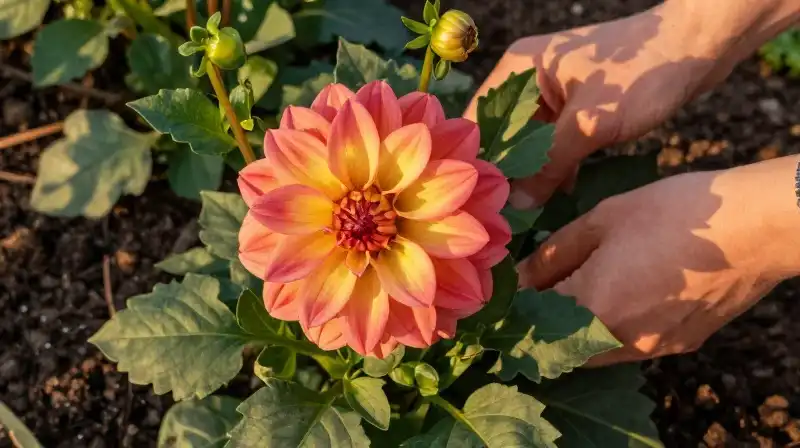
One important distinction when planning your garden around the Nicholas variety is its timing. The Nicholas dahlia is noted for commencing its flowering cycle later compared to some of the earlier blooming dahlia varieties. This means it is ideally suited for garden designs that require sustained color well into the late summer and early fall.
When starting with a single dahlia tuber, the initial planting should occur when the threat of severe frost has passed and soil temperatures are warm. While the plant is characterized by vigor once established, the late-blooming nature of the variety means gardeners must plan for a long cultivation cycle rather than a quick, early splash of color.
Maximizing Horticultural Value
The high value of a Nicholas dahlia in a garden setting is directly tied to its prolific secondary budding and overall robustness. The vigorous nature of the plant ensures it continues to perform well until the end of the growing season, providing sustained visual interest.
To optimize this performance and capitalize on the secondary budding, ensure the plant receives consistent water and appropriate fertilization during the active growth period. Consistent moisture is crucial for maintaining the robustness of the stems and supporting the large size of the peachy-coral blooms, especially as the plant pushes its secondary flower cycles.
Practical Growing Considerations and Limitations
Success with the Nicholas dahlia involves balancing its late-season bloom with its high resource needs. Here are practical guidelines to prevent common cultivation issues:
- Density Management: Always adhere to the minimum 18-inch spacing rule. Do not attempt to crowd the plants, even if the initial desire is for a lush look.
- Water Consistency: Maintain a consistent moisture level. Robust plants like the Nicholas variety require reliable hydration to support the large, 6-inch flowers.
- Pest Vigilance: Dense foliage, while attractive, can harbor pests. Regular inspections for aphids or spider mites are recommended, especially as the blooms mature.
- Light Needs: Like most dahlia varieties, Nicholas requires full sun exposure to develop its full stature (30-36 inches) and maintain its vigorous growth habit.
Synthesis: Cultivating Nicholas Dahlia
The Nicholas dahlia provides a rewarding late-season flourish characterized by its large, vibrant peachy-coral informal blooms and prolific secondary budding. However, its strong vegetative growth and dense foliage dictate specific management protocols. The key to successful cultivation is prioritizing ample space—at least 18x18 inches—to prevent overcrowding and allow for optimal air circulation. By planning for a later bloom and ensuring consistent care for this vigorous, medium-to-large-sized variety, you can maximize the impressive 30 to 36-inch presence this dahlia brings to your landscape.
How to Cultivate Nicholas Dahlia
Timing the Initial Planting
Start with a single dahlia tuber once the threat of severe frost has passed and the soil temperatures are warm.
Establishing Proper Spacing
Adhere to the minimum spacing requirement of at least 18 inches by 18 inches between plants to prevent competition for light and nutrients.
Maintaining Consistent Moisture
Maintain a consistent moisture level in the soil to support robust stems and large blooms.
Ensuring Optimal Sunlight
Ensure the plant receives full sun exposure to develop its full stature and maintain vigorous growth.
Optimizing Nutrition
Provide appropriate fertilization during the active growth period to capitalize on secondary budding.
Vigilant Pest Management
Perform regular inspections for common pests like aphids or spider mites, especially as the blooms mature.
Related Articles