Cucumber Muncher Variety: Taste, Traits, and Growing Success


Introduction
The Cucumber Muncher variety is a specific cultivar highly regarded by culinary enthusiasts and growers for its exceptional flavor and compact growth profile. If you are considering adding this variety to your garden or purchasing seeds, understanding its unique blend of advantages and limitations is essential. The Muncher is generally characterized by its ability to grow quickly and provide high productivity in a short cultivation window, making it suitable for gardeners with limited space or busy schedules. However, it is not a universal winner; its success relies heavily on managing specific growth nuances, such as skin texture and disease prevention, that differ from more robust varieties.
At its core, the Cucumber Muncher delivers a desirable taste that makes it versatile for everything from crisp fresh consumption to traditional pickling. This variety offers a good option for those seeking a fast-maturing, flavorful cucumber, provided the gardener is prepared to address its inherent vulnerabilities and unique physical traits.
Variety Characteristics and Physical Traits
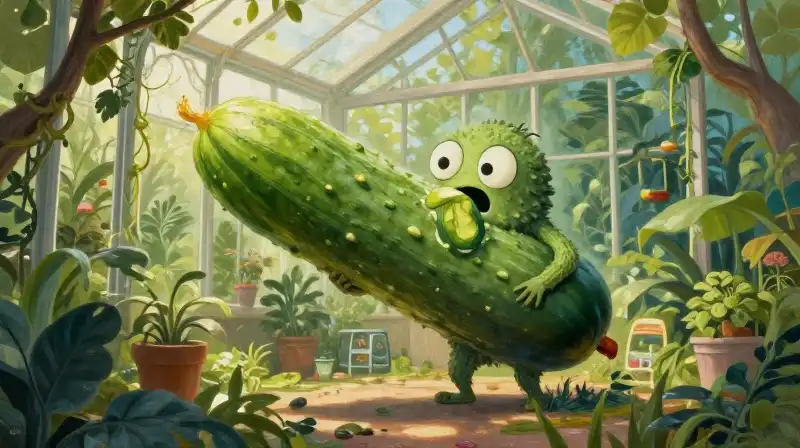
Identifying the specific traits of the Cucumber Muncher helps a grower decide if this variety aligns with their expectations. One defining characteristic is its potential for extreme variability in physical presentation.
Unlike some smooth, consistent varieties, the Muncher’s skin texture can range widely:
- Smooth or Thin Skin: Some fruits exhibit a smooth, nearly spineless exterior, making them easy to use immediately.
- Prickly Surface: In other instances, the Cucumbers Muncher may develop a fine, prickly hair covering. If this is the case, peeling is mandatory for consumption. This necessity is often complicated by the small size of the fruit, making the peeling process challenging.
Regarding growth, the plant is relatively easy to train, benefiting significantly from the use of support structures such as trellises. It has demonstrated resilience in handling both hot and cold summer conditions, though its growth performance can be highly variable across different environments.
Cultivating the Muncher Cucumber
Achieving optimal results with Cucumber Muncher requires attention to its specific needs, particularly concerning support and environmental tolerance. While it is a robust grower, successful cultivation depends on providing the right framework.
Plant Support: Because the Muncher performs well on supports, utilizing a trellis is a high-value practice. This management technique keeps the fruit off the ground, improves air circulation—which is crucial for a variety susceptible to disease—and promotes more even growth.
Growth and Harvest: The variety is cited as having a minimal seed count, which can be advantageous for seed saving. It excels at rapid maturation, allowing for several harvest cycles within a shorter growing season.
Culinary Uses and Taste Profile
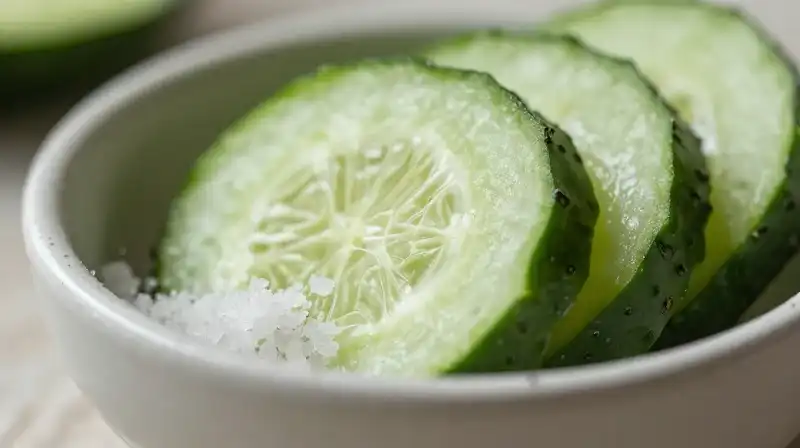
The primary draw of the Cucumber Muncher is its culinary utility. Its taste is robust and appealing, making it excellent for various preparations. It is prized for its versatility:
- Fresh Consumption: It offers a satisfying crunch and flavor perfect for eating straight from the garden.
- Slicing: The flavor profile holds up well when sliced for sandwiches or salads.
- Pickling: Its suitability for pickling is well-documented, allowing for tangy, crisp preserves.
The taste is consistent across its range of applications, offering a clean, desirable flavor whether the cucumber is raw, salted, or cured.
Managing Risks and Performance Limitations
No specialized crop is without challenges, and the Cucumber Muncher presents specific risks that growers must be aware of to prevent disappointing harvests. The two major limitations are variability and disease susceptibility.
Variable Growth: It is important to note that cultivation performance can be inconsistent. Some reports indicate instances of stunted growth, which suggests that while the variety has strong potential, localized environmental stressors or inconsistent management may hinder its full yield.
Disease Susceptibility: A critical caveat is its tendency to be quick to succumb to various diseases. This necessitates diligent plant health management and impeccable garden hygiene.
Error Prevention: To mitigate disease risk and maximize the chance of a high yield, focus should be placed on maintaining excellent airflow and ensuring consistent spacing. The use of trellising is not just for aesthetics, but for preventative health management.
Decision Synthesis: When to Grow Cucumber Muncher
Before deciding to purchase seeds or plant a Cucumber Muncher variety, consider the following criteria to determine if it is the right fit for your gardening goals:
| Factor | Muncher Profile | Decision Implication |
|---|---|---|
| Flavor & Taste | Exceptional and versatile | Choose if flavor is your highest priority. |
| Growing Speed | Fast and productive | Ideal for small plots or short growing seasons. |
| Physical Handling | Variable (Smooth or Prickly) | Be prepared for potential peeling, especially with smaller fruit. |
| Maintenance Risk | Prone to disease | Requires strict disease management and strong support structures. |
The Cucumber Muncher is best suited for the specialized gardener who prioritizes superior taste and rapid turnover but who is also committed to proactive disease monitoring. Success depends not merely on planting the seeds, but on actively managing the environment to overcome its inherent vulnerabilities, thereby maximizing its rapid potential.
Frequently Asked Questions
What is muncher cucumber?
The Cucumber Muncher is a specific cultivar highly valued for its exceptional flavor, compact growth profile, and high productivity in a short cultivation window. It is versatile, suitable for crisp fresh consumption, slicing, or pickling.
Related Articles