Camarosa Strawberry Plants: Growing the Best Heat-Tolerant Variety

Introduction
For gardeners seeking high yields without the traditional compromises often associated with warm-climate crops, the Camarosa strawberry variety offers a powerful solution. Known as a June-bearing cultivar, Camarosa is distinguished not merely by its early harvest window but by its remarkable resilience. This particular variety has been bred and proven to thrive under stress, making it one of the most reliable choices for anyone growing strawberries in hot, drought-prone, or intensively managed environments. If your growing region spans USDA Zones 4 through 10, understanding the specific demands of Camarosa is key to unlocking its full potential.
Why Camarosa is Highly Recommended for Challenging Climates
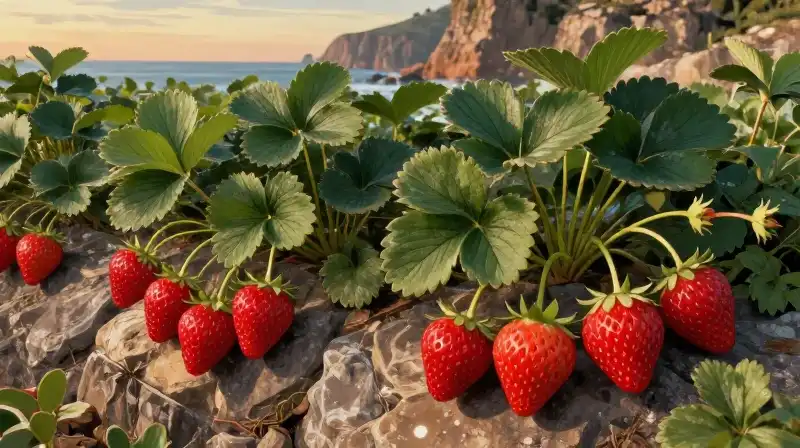
The primary advantage of Camarosa is its exceptional durability. Unlike many tender strawberry varieties that suffer quality degradation or outright failure when temperatures soar, Camarosa is inherently heat-tolerant. This resilience allows it to maintain vigor and produce reliable, high-quality fruit even during peak summer heat. This trait makes it a commercially valuable crop and a practical choice for home gardeners who lack the ability to provide constant shade or perfect temperature control.
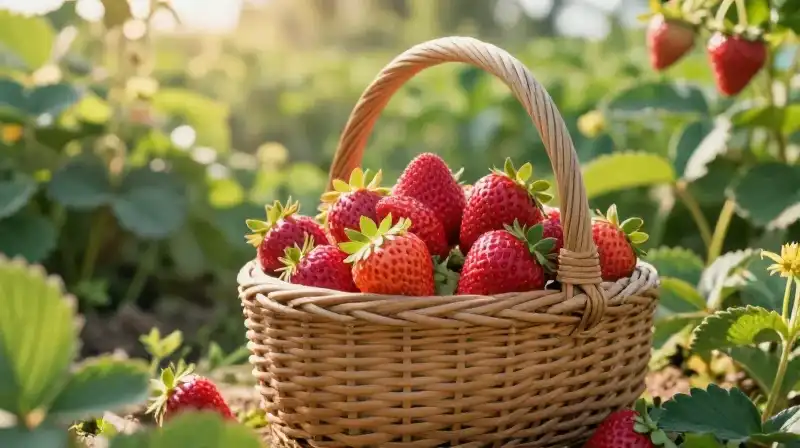
The resulting fruit confirms this variety’s quality. Berries are consistently described as large, robust, and possessing a distinctly sweet flavor profile. Their firm flesh is a major benefit for practical use; the firmness means they hold up exceptionally well during transport, storage, and when being frozen, ensuring flavor retention long after picking.
How to Plant and Cultivate Camarosa Strawberries
Successfully growing Camarosa requires attention to its specific environmental preferences. While it is adaptable to several growing methods—including containers, raised beds, and traditional in-ground plots—its ideal conditions are predictable and focused on robust drainage and full sun exposure.
Soil and Sunlight Requirements
Camarosa requires several hours of direct, full sun exposure to trigger consistent fruiting. Regarding the medium, fertile, well-drained soil is non-negotiable. Strawberries do not tolerate waterlogged conditions. Furthermore, managing the soil pH is vital for optimal nutrient uptake. The ideal cultivation range is maintained between 6.5 and 6.8.
Proper soil preparation should involve incorporating compost during spring and fall planting to build structure and fertility. Because of its adaptability, Camarosa is suitable for several planting approaches:
- Traditional Field: Large, established patches for commercial or extended home use.
- Raised Beds: Excellent for managing soil quality and ensuring proper drainage.
- Containers: Ideal for smaller operations or smaller homes; the container size must allow the plant room to spread comfortably (roughly 12 inches in diameter).
Maintenance and Growth
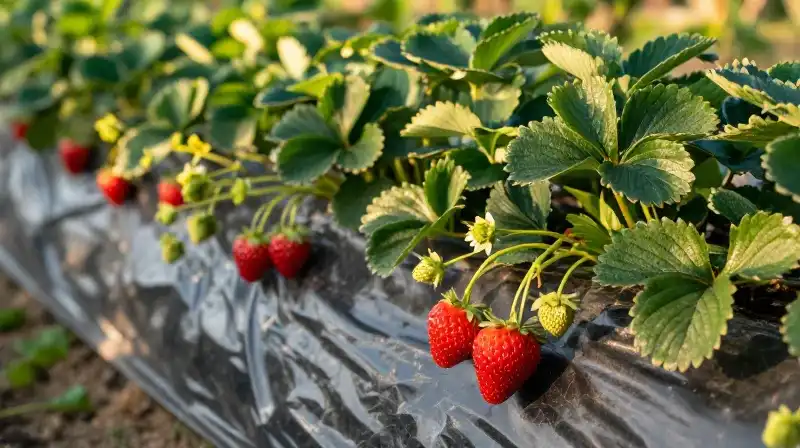
Consistent maintenance is necessary to keep the plants vigorous. Once established, consistent watering is required, especially during dry periods. Applying organic mulch around the base of the plants is highly recommended; this helps regulate soil temperature, reduces moisture evaporation, and conserves water, which is particularly important in drought-prone areas.
In terms of growth habit, the plants generally reach a height of about 8 inches, spreading out to approximately 12 inches. These dimensions indicate a manageable plant suitable for intensive, high-density growing operations.
Camarosa Flavor, Usage, and Harvest Timing
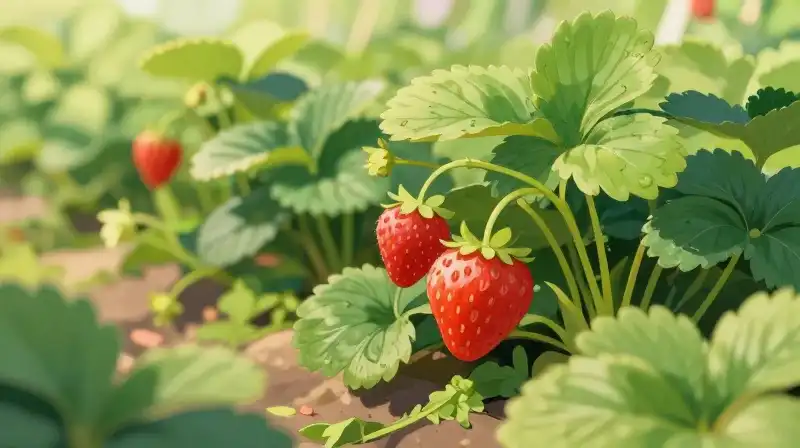
One of the most common queries is the sweetness of Camarosa, and the answer is yes—they are considered highly sweet. However, achieving peak flavor involves timing the harvest correctly. While the berries will initially develop a bright, glossy red, the optimal flavor profile is reached once the berry has transitioned to a deeper, more mature dark red hue.
The firmness of the fruit makes it highly versatile. Camarosa is excellent for:
- Fresh consumption (due to its robust flavor).
- Baking, where its structure holds up well during mixing and baking.
- Preservation techniques, such as freezing, without losing significant texture or flavor.
Acquisition and Selection of Camarosa Plants
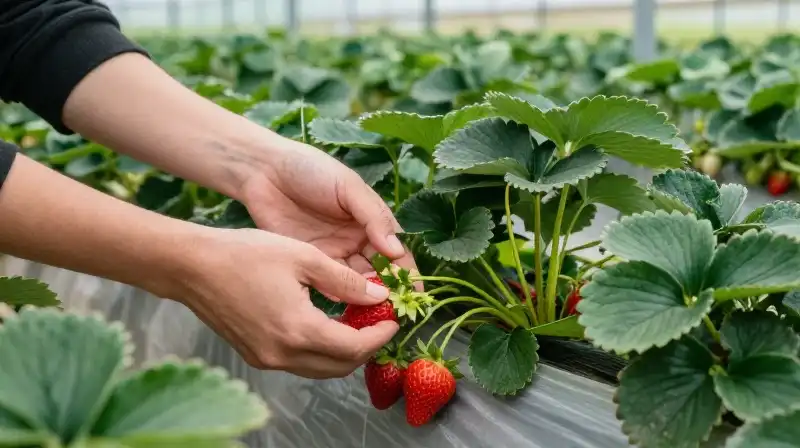
Whether you are looking for Camarosa strawberry plants for sale or seeking seeds, there are specific forms to choose from. When purchasing, verify that the material is Non-GMO. The choice between bare root, plugs, or seeds depends on your experience level and planting schedule.
For beginners, starting with certified strawberry plugs is generally the easiest method, as they provide a head start. Bare root stock is ideal for experienced gardeners or large-scale operations. Seeds require longer establishment time but can be cost-effective for mass planting.
Comparing Camarosa to Other Varieties
While various June-bearing varieties exist, Camarosa stands out due to its specific tolerance profile. When comparing Camarosa to other popular types like Chandler, it is worth noting that while other varieties may achieve different flavor nuances, Camarosa is engineered for maximum reliability and stress resistance. If you are growing in conditions where heat and dryness are constant threats, the inherent durability and proven heat resistance of Camarosa make it a superior, low-risk selection.
Managing Expectations: Practical Considerations

While Camarosa is highly productive, achieving peak performance requires adherence to its specific needs, particularly regarding drainage and sunlight. A common error is insufficient watering, which can lead to smaller fruit even in fertile soil. Conversely, overwatering can quickly lead to root rot, especially in clay soils. Always ensure that your growing container or field area has excellent drainage to prevent this.
The final decision to plant Camarosa should be based on prioritizing resilience and heat tolerance over niche flavor profiles found in highly sensitive varieties. By providing the required full sun, pH-appropriate soil, and consistent maintenance, you ensure a productive harvest of large, intensely sweet, and remarkably firm berries.
Frequently Asked Questions
Is camarosa strawberry good?
Camarosa strawberries are described as high-quality, reliable, and robust, maintaining flavor even during peak summer heat. The berries are consistently noted for being large, firm, and possessing a distinctly sweet flavor profile.
How to plant camarosa strawberries?
Camarosa strawberries thrive in full sun and require fertile, well-drained soil with a pH between 6.5 and 6.8. They can be planted in traditional plots, raised beds, or containers, starting with certified plugs or bare root stock.
Are camarosa strawberries sweet?
The berries are consistently described as possessing a distinctly sweet flavor profile, and they are considered highly sweet.
How to Grow Camarosa Strawberry Plants
Ensure Sunlight
Camarosa strawberries require several hours of direct, full sun exposure to trigger consistent fruiting.
Prepare the Soil
Prepare the growing area by incorporating fertile, well-drained soil with a pH ideally maintained between 6.5 and 6.8. Add compost during spring and fall planting to build structure and fertility.
Select and Plant
Choose a suitable planting method—such as raised beds, traditional fields, or containers that are at least 12 inches in diameter—and plant the selected material (e.g., certified plugs for beginners).
Consistent Watering
Once established, ensure consistent watering is provided, particularly during dry periods, while strictly avoiding overwatering to prevent root rot, especially in clay soils.
Apply Mulch
Apply organic mulch around the base of the plants to help regulate soil temperature, reduce moisture evaporation, and conserve water.
Related Articles