Growing Ghost Peppers: Mastering Humidity and Heat Requirements

Introduction
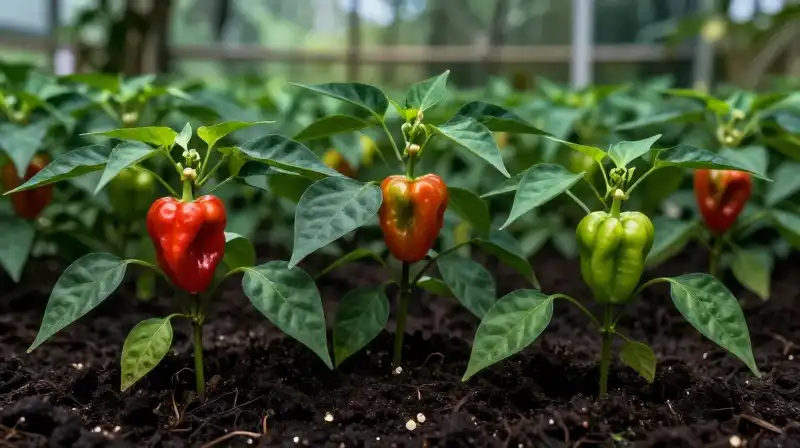
Growing ghost peppers presents a unique challenge for the dedicated gardener. Unlike many common hot pepper varieties, these plants are not merely heat-loving; they are highly demanding. To cultivate ghost peppers successfully, one must prioritize environmental stability, specifically maintaining high levels of humidity and consistent warmth to replicate the intense conditions of their native habitats. Simply planting them outdoors without careful monitoring is often insufficient. Success hinges on the grower’s ability to control their microclimate. Whether choosing to grow ghost peppers indoors in a controlled environment or attempting an outdoor season, mastering the variables of temperature and moisture is the critical step to overcoming their reputation as one of the more difficult peppers to cultivate.
Controlled Environments: Growing Ghost Peppers Indoors and Outdoors
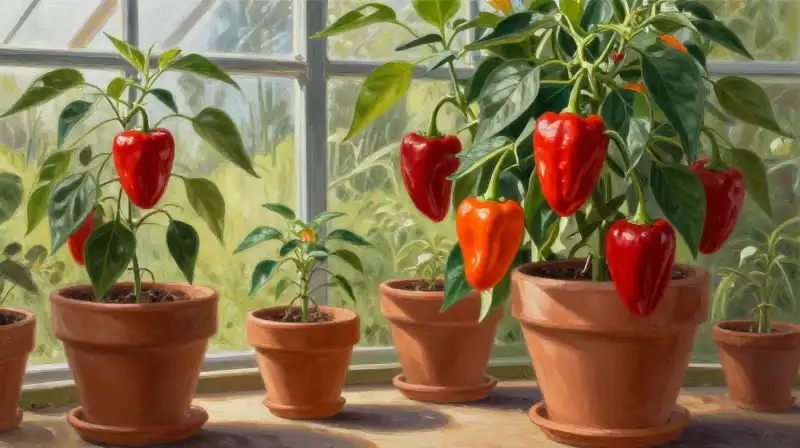 The choice between indoors and outdoors dictates the scale of the effort required for successful growing.
Growing Ghost Peppers Indoors
Controlled environments like greenhouses or sophisticated indoor setups offer the most reliable results for **growing ghost peppers indoors**. This method eliminates the unpredictability of outdoor weather. * **Temperature Maintenance:** To support robust plant health and growth, indoor temperatures should be consistently maintained around 75°F (24°C). * **Humidity:** High humidity is non-negotiable. The air must remain consistently moist to prevent the sensitive leaves and peppers from desiccating, which is a common source of plant shock.
Outdoor Requirements
If you choose to grow them outdoors, a strict growing season requirement must be met. Outdoor plants need a minimum of three months where temperatures consistently remain above 70°F (21°C). Even in warm climates, sudden drops in temperature or excessive rain can severely stress the plants, leading to stunting or crop failure.
Germination and Initial Growth
Successful **growing ghost peppers from seed** requires precise thermal conditions during the germination phase. Ghost seeds need a strong start to push through the soil.
Seed Starting Protocol
The most critical requirement for seedlings is warmth. The soil must be kept between 80 to 90°F (27-32°C) to encourage consistent germination. Seeds typically require approximately 35 days to successfully sprout. Once they emerge, the heat required for germination must transition smoothly into the stable 75°F (24°C) zone for vegetative growth.
Potting and Medium
The ideal growing medium for ghost pepper plants is a potting mix that allows for excellent drainage. If using sandy garden soil, it must be heavily enriched with high-quality organic matter to retain moisture while ensuring root health. Whether growing in pots or in a garden bed, consistent moisture is required, but the soil should never remain waterlogged.
Optimizing Environment and Preventing Environmental Stressors
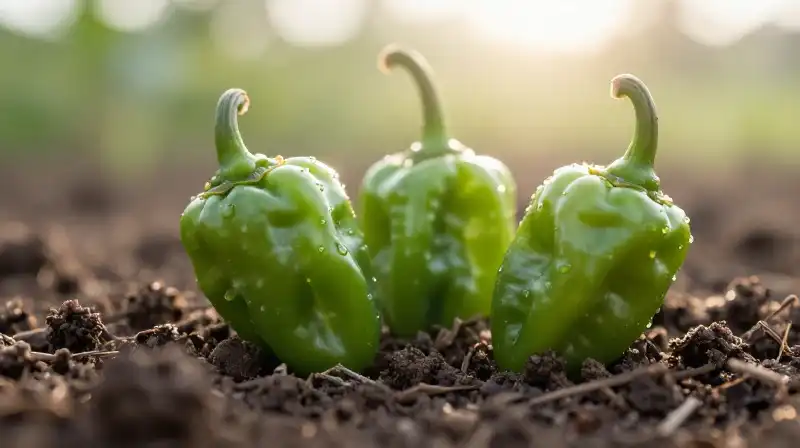 Ghost pepper plants are notoriously sensitive. They react poorly to sudden shifts or erratic care, so environmental stability is the hallmark of a successful garden.
Watering and Humidity Management
A steady and regular watering schedule is essential. You must strike a balance: the soil needs consistent moisture, but overwatering leads to root rot. High humidity should be achieved through targeted misting, humidifiers, or by ensuring that the pots are placed near a water source, but without allowing standing water.
Fertilization Timing
Fertilization should not begin immediately upon planting; a period of root establishment is needed first. Following establishment, consistent feeding throughout the growing season is required. Opt for a controlled-release fertilizer or adhere strictly to recommended schedules, avoiding sudden spikes in nitrogen which can burn the delicate plants.
Here is a comparison of the fertilization needs during the growing cycle:
| Growth Stage | Primary Nutrient Focus | Reason |
|---|---|---|
| Early Vegetative | Nitrogen (High N) | Support vigorous leaf and stem development. |
| Flowering/Fruiting | Phosphorus & Potassium (P & K) | Encourages blooming and the development of the fruit. |
Monitoring Plant Stages and Harvesting
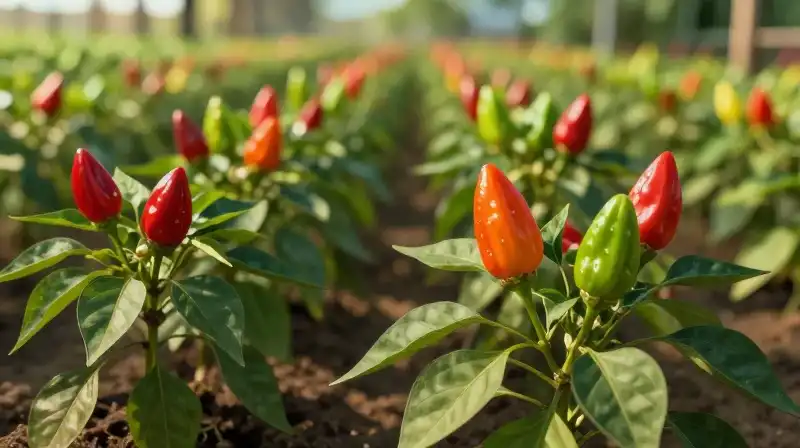 Understanding the lifecycle of the plant and knowing when to harvest are key factors in maximizing the yield of your ghost pepper plants.
Key Plant Stages
1. **Seedling:** Focus on consistent warmth and gentle light. 2. **Vegetative:** Focus on rapid growth; use high-nitrogen feeds to build a strong base. 3. **Flowering/Fruiting:** Transition to balanced or P-K heavy feeds to support the pepper production.
When to Harvest
Harvesting should be conducted when the pepper is firm to the touch and exhibits a vibrant, uniform color. Allow the pepper to reach its full color potential before picking to ensure the flavor and heat intensity are at their peak.
Handling the Peppers
Due to the extreme heat contained within the ghost pepper, it is crucial to take appropriate safety precautions. Always wear protective gloves when harvesting, handling, or preparing the peppers to prevent skin irritation and internal burns.
Preventing Frequent Growing Errors
The difficulty of **growing ghost peppers** often lies in environmental instability and mismanagement of their specific needs. Avoiding these common mistakes will greatly improve your odds of success.
High-Impact Stressors to Avoid
Ghost pepper plants are highly susceptible to stress, which can lead to irreversible damage. The most common pitfalls include:
- Sudden Temperature Shifts: If the temperature drops or rises rapidly, the plant may suffer from shock. Maintain a predictable environment.
- Over-fertilization: Using excessive fertilizer can lead to “burning” the delicate roots and foliage. Follow controlled application methods.
- Inconsistent Watering: Going from dry to soaking wet, or vice versa, shocks the plant’s root system.
Synthesizing Success: The High-Heat Gardening Priority
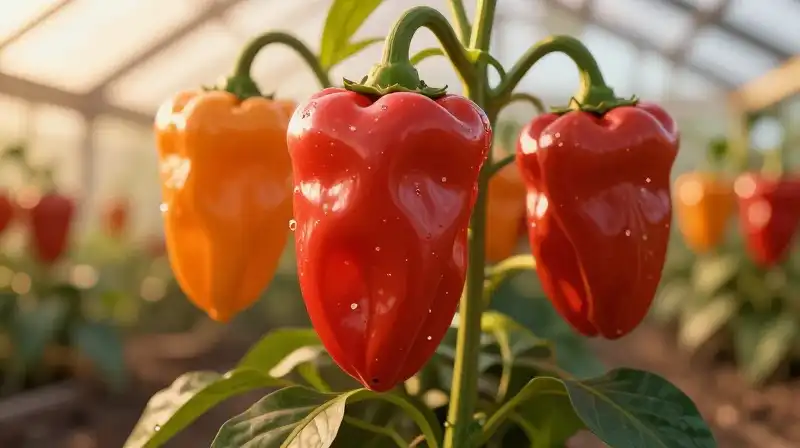 Growing ghost peppers is a testament to careful environmental management. The primary takeaway is that these plants do not thrive under generalized care; they require a dedicated focus on replicating their natural thermal and humid environment. By prioritizing stable temperatures between 75°F (24°C) and 90°F (32°C) during seed time, maintaining consistent humidity, and protecting the plant from erratic changes, you mitigate the specific stressors that lead to failure. Successful cultivation demands that you manage the environment first, and the plant will reward the grower with potent, flavorful peppers.
How to Grow Ghost Peppers from Seed
Prepare Soil
Use a potting mix that allows for excellent drainage. If using sandy garden soil, enrich it heavily with high-quality organic matter.
Germinate Seeds
Keep the soil temperature between 80 to 90°F (27-32°C) to encourage consistent germination until the seeds sprout (typically about 35 days).
Transition to Vegetative Growth
Once seedlings emerge, transition the temperature to the stable 75°F (24°C) zone for vegetative growth.
Maintain Optimal Conditions
Maintain consistent temperatures around 75°F (24°C) and ensure high humidity, preventing the leaves and peppers from desiccating.
Water Regularly
Provide a steady and regular watering schedule, ensuring consistent moisture but avoiding overwatering to prevent root rot.
Fertilize Appropriately
Allow a period of root establishment before fertilizing. Use high-nitrogen feeds during early vegetative growth, shifting to P & K focus during flowering/fruiting.
Manage the Environment
Ensure environmental stability by protecting the plants from sudden temperature shifts and erratic care.
Related Articles