Growing the Queensland Bottle Tree: Care for the Bottle-Shaped Trunk

Introduction
The Queensland Bottle Tree, scientifically known as Brachychiton rupestris, is one of nature’s most architecturally dramatic specimens. Hailing from the rocky ridges and dry woodlands of Queensland, Australia, this native species is distinguished by its strikingly swollen, bottle-shaped trunk, or caudex. This unique morphology is not merely aesthetic; it serves as a highly efficient storage system for water and carbohydrates, enabling the tree to survive periods of severe drought.
Cultivating the Queensland Bottle Tree is an exercise in patience. Whether grown as a stately outdoor tree or a dramatic indoor feature, success relies on replicating its natural environment—one characterized by intense sunlight and extremely well-draining soil. This guide provides specific, actionable insights into the complex needs of Brachychiton rupestris, ensuring you understand how to nurture this resilient Australian treasure.
Optimal Growing Conditions: Sun, Soil, and Temperature
The health of the Queensland Bottle Tree hinges on providing the correct structural environment. Its natural habitat dictates specific requirements for light and drainage that must be meticulously maintained in cultivation.
Light Requirements:
- Outdoor Cultivation: The tree requires bright, full sunlight, thriving in conditions typical of Queensland’s dry inland environments.
- Indoor Cultivation: While it can tolerate interior life, it demands at least 4 to 6 hours of intense bright indirect light. Without adequate light, the tree may struggle with vitality and development.
Soil and Drainage:
The Queensland Bottle Tree is highly intolerant of waterlogging, as this is the quickest path to root rot. The ideal soil must be highly porous, sandy, and fast-draining. A well-draining mixture allows oxygen to reach the roots. The preferred soil pH for optimal nutrient uptake and root health is between 5.6 and 6.5.
Temperature Preferences:
This species prefers warm environments, ideally flourishing in USDA hardiness zones 9 through 12. While it possesses significant cold tolerance, it can withstand temperatures as low as 25°F. However, any exposure to hard frost should be avoided, as freezing temperatures can severely damage the vascular system.
Water Management: Seasonal Care is Key
The most common mistake when caring for a bottle-shaped tree is improper watering, which is directly tied to the seasonal cycle. Since the trunk stores water, the goal of watering is to replenish reserves when they deplete, not to constantly keep the soil moist.
Growing Season (Spring and Summer):
During active growth, the tree requires deep watering. Allow the top soil to dry out completely before providing a thorough, deep soaking. This typical interval is every two to three weeks. Deep watering encourages the robust root structure necessary for long-term health.
Dormant Season (Fall and Winter):
In the cooler, dormant months, metabolic activity slows, and the plant conserves resources. Reducing watering frequency during this period is essential to prevent deadly root rot. In winter, reduce the watering schedule to once every four to six weeks. This mimics the natural dry cycles of its native habitat.
Cultivating the Queensland Bottle Tree: Indoor vs. Outdoor Strategy
The approach to cultivation changes significantly depending on whether the tree remains a houseplant or flourishes as a landscape specimen.
| Feature | Outdoor Landscape Specimen | Indoor Houseplant/Display |
|---|---|---|
| Ideal Location | Full sun; rocky/dry climate | Bright indirect light (4–6 hrs minimum) |
| Growth Potential | Reaches full, architectural potential; massive size | Smaller, though it still develops a thickened caudex |
| Key Growth Note | Rapid swelling and trunk development over years | Must avoid cold drafts and maintain 60°F–75°F |
| Pace of Growth | Slow, patient development over several decades | Slower, requiring patient care |
For the serious collector, the beauty lies in the tree’s slow, deliberate development. Growth in containers is always slower compared to planting the tree directly in its native environment.
Addressing Common Questions and Scale

When considering adding a Brachychiton rupestris to your collection, several practical questions regarding size and value often arise.
How big does a Queensland Bottle Tree get?
In its native environment, the Queensland Bottle Tree is capable of becoming a monumental, stately specimen. The trunk can develop a massive, textured appearance, often reaching heights and widths that command a landscape. Even when grown in containers, the tree retains its distinctive character and grows larger over time, provided it receives the necessary light and resources. It is important to appreciate that this is a long-term investment; true magnificence is achieved over many decades.
How much are Queensland bottle trees worth?
The market value of a Queensland Bottle Tree is highly variable and depends primarily on size, health, and the maturity of its caudex. A young cutting or small indoor plant will be significantly less valuable than a mature, established specimen with a perfectly formed, massive bottle-shaped trunk. Pricing often reflects the plant’s rarity and its successful development, particularly in the collector market.
Long-term Maintenance: Feeding and Cycles
Beyond basic care, proper long-term maintenance is necessary to keep the tree healthy and vibrant.
Nutrient Management:
The tree does not require constant feeding. Instead, fertilization is recommended only once a year, specifically during the spring. Use a low-ratio NPK fertilizer (a maximum strength of 5-10-5) to ensure balanced, gentle growth rather than aggressive foliage.
Seasonal Changes:
A natural cycle of leaf shedding occurs, particularly from September to December, as the tree transitions out of its primary growth period. Older leaves may also drop in the spring when fresh growth initiates. This is a natural part of the tree’s life cycle and does not indicate a health problem.
Practical Guide to Acquisition and Propagation

If you are looking for a Queensland Bottle Tree for sale, consider whether you wish to begin with a seedling or a mature specimen. Due to its complex lifecycle, starting from seed is not a practical option for most growers.
Propagation Note:
Successful propagation is almost exclusively achieved through cuttings. While seed propagation is possible, it can take up to 20 years before a resulting seedling blooms, making the acquisition of established plants the only viable path for the average grower.
Cultivation Summary: A Decision for the Patient Collector
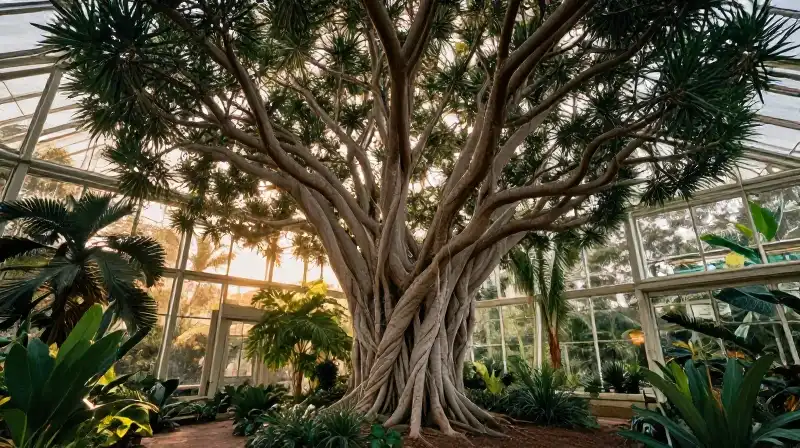
The Queensland Bottle Tree is a remarkable plant defined by its architectural drama and profound resilience. Its success as a grower depends entirely on honoring its specific, cyclical needs. If you can commit to providing intensely well-draining soil, matching its seasonal watering requirements (deep and infrequent in summer; reduced in winter), and ensuring ample light, it will reward you with a magnificent, enduring presence. This tree is best suited for the patient collector who appreciates slow, magnificent, and resilient growth over decades.
Frequently Asked Questions
How big does a Queensland Bottle Tree get?
In its native environment, the Queensland Bottle Tree is capable of becoming a monumental, stately specimen with a massive trunk that often reaches heights and widths that command a landscape. Even when grown in containers, the tree grows larger over time, though true magnificence is achieved over many decades.
Cultivating the Queensland Bottle Tree
Prepare the soil
Ensure the soil is highly porous, sandy, and fast-draining. The preferred pH should be between 5.6 and 6.5 to prevent root rot.
Provide appropriate lighting
For outdoor specimens, provide full, bright sunlight. For indoor cultivation, provide at least 4 to 6 hours of intense bright indirect light.
Manage watering during the Growing Season (Spring/Summer)
Allow the top soil to dry out completely before providing a thorough, deep soaking, typically every two to three weeks to encourage robust root structure.
Manage watering during the Dormant Season (Fall/Winter)
Reduce watering frequency to once every four to six weeks to prevent deadly root rot as the plant slows its metabolic activity.
Maintain ideal temperatures
Ensure the tree flourishes in warm environments (USDA hardiness zones 9-12). If growing indoors, maintain temperatures between 60°F and 75°F and avoid all hard frost.
Apply fertilizer for long-term health
Fertilize only once a year, specifically during the spring, using a low-ratio NPK fertilizer (maximum 5-10-5) to promote balanced growth.
Related Articles