
Choosing a Heated Greenhouse System: Types, Efficiency, and Fuel Options


Introduction
Maintaining a controlled internal climate is critical for maximizing plant health and ensuring crop success in cold environments. A heated greenhouse system does more than just provide warmth; it regulates humidity, controls internal temperature stability, and mitigates environmental stress. Choosing the right heating solution requires moving beyond simple heat output and considering the specific needs of your growing environment—including scale, required humidity, budget, and safety requirements. The decision process begins by matching the heater’s power (BTUs) precisely to the volume of the growing space, ensuring adequate and efficient warmth.
Sizing the System: Matching BTUs to Cubic Footage
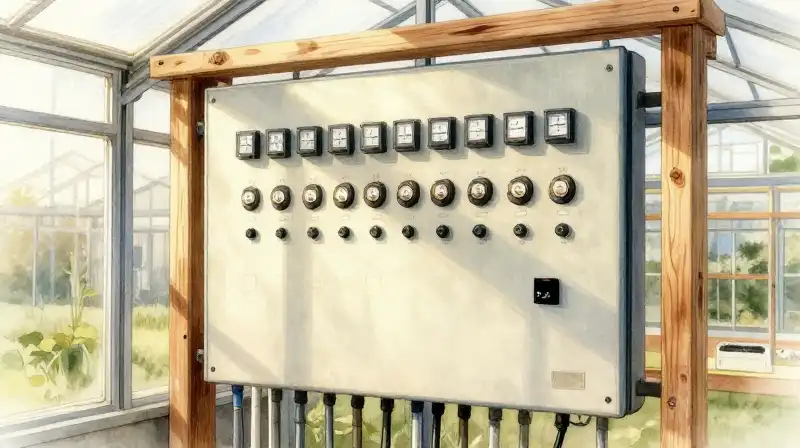
The most common mistake when installing a heated greenhouse system is under- or over-sizing the heater. Heat output must be calculated based on the specific dimensions of the structure, not just the surface area of the floor. Professional greenhouse systems calculate heating needs based on the space’s cubic footage, taking into account insulation levels, climate zone, and desired operating temperature.
Matching the heater’s BTU rating to the space ensures energy efficiency. A small, poorly insulated portable unit may require significantly higher BTUs than anticipated, while a massive, over-powered heater in a compact space leads to unnecessary energy waste and potential overheating. Always consult a professional for an accurate heating load calculation to select a heater that provides consistent, controlled warmth without excessive energy draw.
Comparing Fuel Options: Scale and Cost Considerations

The fuel source dictates the operational scale, initial investment, and long-term running costs of your heated greenhouse. The choice between electric, natural gas, and propane is often a matter of balancing immediate budget needs against required heat intensity.
Electric Heating Systems
- Application: Ideal for smaller, contained, or portable greenhouses, as they offer precise control and are highly efficient in compact settings.
- Pros: Clean operation, easy installation, excellent control for small scales.
- Cons: Higher operational costs in very large structures; requires substantial electrical infrastructure.
Gas and Propane Heating Systems
Gas and propane offer substantial, reliable heat output, making them the preferred choices for large-scale commercial operations. While the initial investment in piping and infrastructure is higher, the cost-per-BTU often makes them more economical for large, continuous heating needs.
Propane is particularly useful for mobile setups or operations where gas lines are unavailable. Natural Gas offers a more consistent and high-output solution suited for permanent, expansive structures.
Selecting the Right Heater Technology for Environment Control
Beyond the fuel source, the technology of the heater determines how the heat is distributed and what secondary environmental effects it has. Different technologies serve different growing needs, particularly concerning humidity.
| Heater Type | Primary Heat Method | Ideal Application | Key Benefit |
|---|---|---|---|
| Forced-Air | Convection (moving air) | Standard temperature regulation | Uniform heat distribution throughout the space. |
| Infrared (IR) | Radiation | Spot heating, managing localized cold spots | Heats objects and surfaces directly, minimizing air movement. |
| Steam | Moisture introduction | High-humidity environments (e.g., tropical plants) | Provides warmth while actively boosting and maintaining humidity. |
| Separated Combustion | Combustion and heat exchange | Large, high-performance commercial greenhouses | High efficiency coupled with controlled heat delivery. |
Mandatory Safety and Installation Requirements
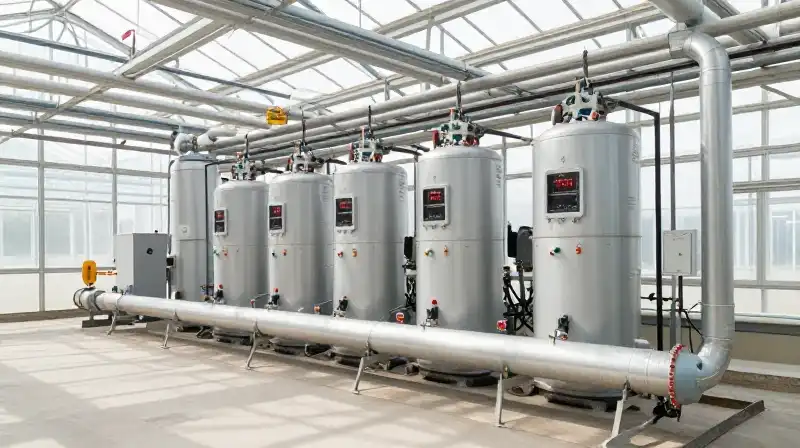
The successful and safe operation of any heated greenhouse hinges on proper installation and rigorous safety adherence. This section addresses critical requirements often overlooked during initial setup.
Ventilation for Gas-Fired Units
For all gas-fueled heaters (natural gas and propane), ventilation is not optional—it is mandatory. These units produce combustion byproducts (like carbon monoxide) that must be safely exhausted from the structure. Proper venting ensures the removal of harmful fumes, maintains breathable air, and protects personnel and plants.
Installation Components
A complete installation requires specialized accessories to maximize efficiency and ensure longevity. Necessary components include:
- Mounting Brackets: Securely affix the heater to the greenhouse structure.
- Air Deflector Hood: Direct the heated air flow to optimize circulation and prevent stratification.
- Gas Connectors/Voltage Controllers: Regulate fuel supply and power output precisely.
- Installation Kits: Specific packages designed for the particular heater model or structural setup.
Practical Assessment: Is Heating a Greenhouse Worth the Investment?
The decision to heat a greenhouse depends entirely on your horticultural goals and the external climate conditions. If you intend to grow sensitive crops year-round, extend your growing season, or achieve results that are impossible under ambient temperatures, heating is a worthwhile investment. However, the return on investment is tied directly to the efficiency of the system.
If your goal is merely seasonal protection and you are operating on a tight budget, a well-insulated, passively heated structure might suffice. But for professional-grade yields, consistent temperature stability provided by a heated greenhouse is indispensable. The cost-effectiveness of a gas-powered system for large scale is a practical example of how operational savings can outweigh the higher initial capital outlay.
Final Decision Criteria and Practical Warnings

To finalize your choice of a heated greenhouse system, synthesize the following priorities:
- Prioritize Scale: Large operation = Gas/Propane. Small/Portable = Electric.
- Prioritize Environment: High humidity = Steam. Consistent uniformity = Forced-Air.
- Prioritize Safety: Never operate a gas-fired system without verified, functional ventilation.
- Prioritize Planning: Always begin with a detailed cubic footage calculation to ensure the BTU rating is appropriate for the space, not just the climate.
By meticulously matching the heater’s technical specifications to the greenhouse’s physical and horticultural demands, you can select a system that optimizes climate control while minimizing operational expenditure.
Frequently Asked Questions
Is it worth heating a greenhouse?
The worth of heating a greenhouse depends on whether you intend to grow sensitive crops year-round or achieve results impossible under ambient temperatures. If so, heating is a worthwhile investment, provided the return on investment is tied to system efficiency.
How to Select a Heated Greenhouse System
Prioritize Scale
Large operations should prioritize Gas or Propane, while small or portable greenhouses should prioritize Electric.
Prioritize Environmental Needs
For high humidity environments, choose Steam; for consistent uniformity, choose Forced-Air; for managing localized cold spots, consider Infrared.
Prioritize Planning and Sizing
Always begin by calculating the cubic footage of the space and matching the heater's BTU rating precisely to ensure adequate and efficient warmth.
Prioritize Safety Requirements
Never operate a gas-fired system without verified, functional ventilation to safely exhaust combustion byproducts.
Related Articles