
Choosing Yellow Peonies: A Guide to Species and Cultivar Types

Introduction
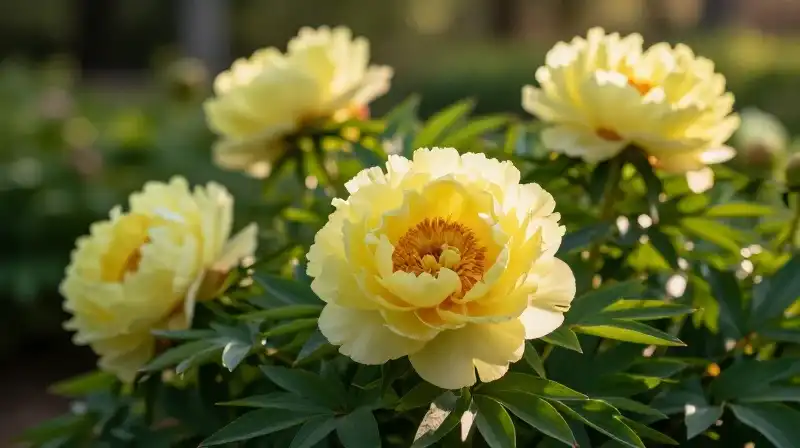
Yellow peonies are highly regarded for their vibrant color and classic form, offering a spectacular display in spring and early summer. While the term “yellow peony” covers a vast array of plants, choosing the right variety depends entirely on your gardening goals—whether you seek a traditional, large bloom, a delicate miniature, or a hardy, native type. The primary distinction in selection lies between the botanical categories: specialized hybrids (cultivars) and pure wild species. By understanding the differences in structure, hybridization, and growth habits, you can make an informed decision that matches your planting space and aesthetic preferences.
Classifying Yellow Peonies: Herbaceous vs. Species
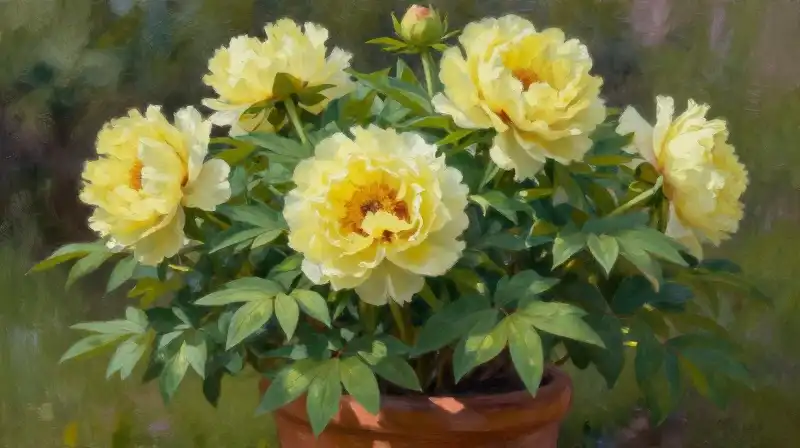 The selection of any yellow paeonia begins with identifying its classification. Generally, yellow peonies fall into two major botanical groups: herbaceous types and species types. This classification dictates growth habit, flower characteristics, and care needs.
Herbaceous Peonies
Herbaceous peonies are cultivated plants prized for their diverse color and form. They are crosses between various species, resulting in unique hybrid characteristics. This category includes the popular Itoh intersectional type and many highly sought-after bush varieties. Itoh types, in particular, bridge the gap between the two main peony categories, often offering the large blooms of herbaceous plants with the reliable hardiness of species.
Species Peonies
Species peonies, such as *P. mlokosewitschii* and *P. lutea* ‘delavayi’, represent pure, unhybridized varieties. These types are botanically distinct and often exhibit more characteristic or robust growth patterns specific to their native environment. While they may have a limited number of cultivated cultivars compared to the vast selection of herbaceous plants, they offer a different aesthetic, often closer to the wild variety.
Exploring Herbaceous Cultivar Varieties
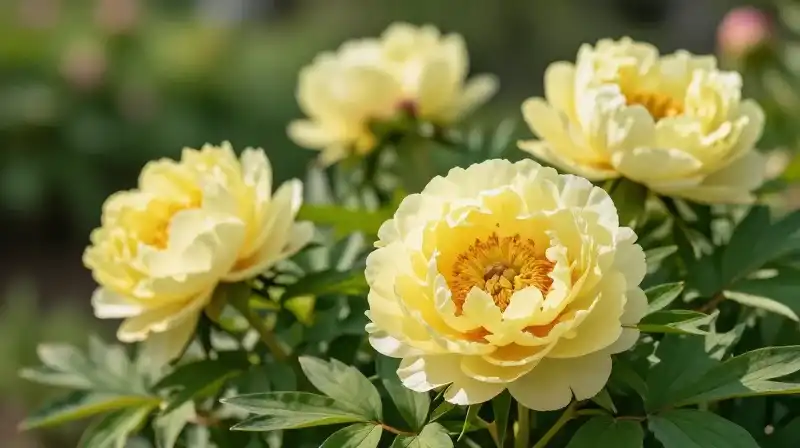 For gardeners prioritizing broad selection and diverse bloom shapes, herbaceous cultivars offer the most options. Understanding common types helps narrow the focus.
The Popular Itoh Intersectionals
Itoh hybrids are designed to possess the desirable traits of both species and herbaceous plants. They tend to be robust, producing impressive blooms while maintaining a relatively compact growth habit. These varieties are often used for structured perennial borders.
Distinct Yellow Cultivars
Specific cultivar selection is where the real variety shines. These types provide recognizable characteristics that help gardeners decide based on bloom size, petal texture, and specific shade of yellow.
- Yellow Dream: A notable herbaceous variety often favored for its striking color and strong presence.
- Lemon Dream: Another highly favored cultivar offering a bright, sunny yellow tone that maintains good structure.
- Goldilocks: Known for its appealing bush structure and rich, warm yellow coloration.
- Lemon Chiffon: A variety that often exhibits a soft, delicate texture while maintaining a vibrant yellow hue.
Distinguishing Species Peonies (Botanical Types)
While herbaceous types allow for the extensive palette of breeding, species peonies offer a unique and reliable botanical experience.
The Appeal of Pure Species Choosing a species peony means opting for a plant that remains true to its genetic line. Cultivars like *P. lutea* ‘delavayi’ provide a dependable yellow bloom rooted in a specific botanical lineage. They often demonstrate superior hardiness and fewer disease susceptibilities compared to complex hybrids.
Niche Selection Selecting a type like *P. mlokosewitschii* often means focusing on specialized color patterns and a distinct bloom morphology that can’t be replicated in standard hybrids. These types appeal to gardeners who prioritize the integrity of the plant over the sheer range of cultivated colors.
Evaluating Cultivars: Which Yellow Peony for Your Garden?
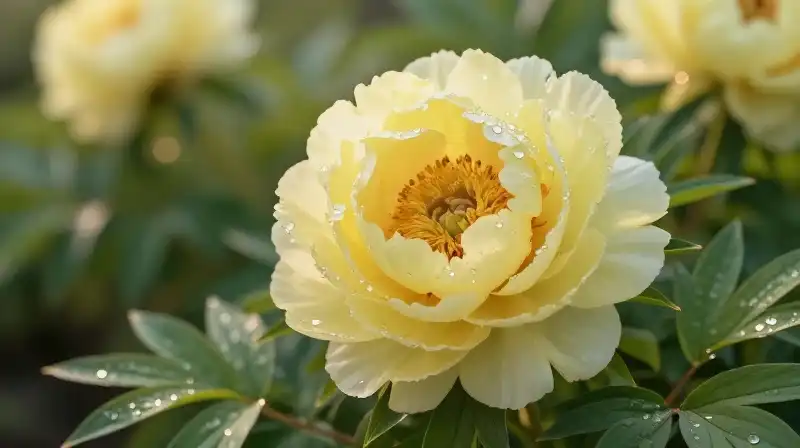 Selecting the optimal yellow paeonia requires aligning the plant’s needs with your garden’s requirements.
Match Growth Habit to Space
Consider the mature size of the peony. Some bush varieties are designed for compact spaces, while larger herbaceous types and some species can spread significantly, requiring adequate root space. If you are looking for yellow peony plants for sale for a dense cluster, check the spread measurement.
Determine Bloom Preference
Do you prefer the large, often multi-petaled blooms of many high-impact herbaceous cultivars or the more characteristic, sometimes simpler forms of species varieties?
| Type | Primary Trait | Aesthetic Goal | Ideal For |
|---|---|---|---|
| Herbaceous Cultivars | Hybrid Diversity & Blooms | Bold, high-impact garden color | Vibrant, dense borders |
| Itoh Intersectionals | Hybrid Resilience & Size | Structured, reliable color | Mid-sized garden plots |
| Species Peonies | Botanical Purity & Hardiness | Authentic, classic form | Display or native garden zones |
Maintaining Health for Your Paeonia Yellow Plants
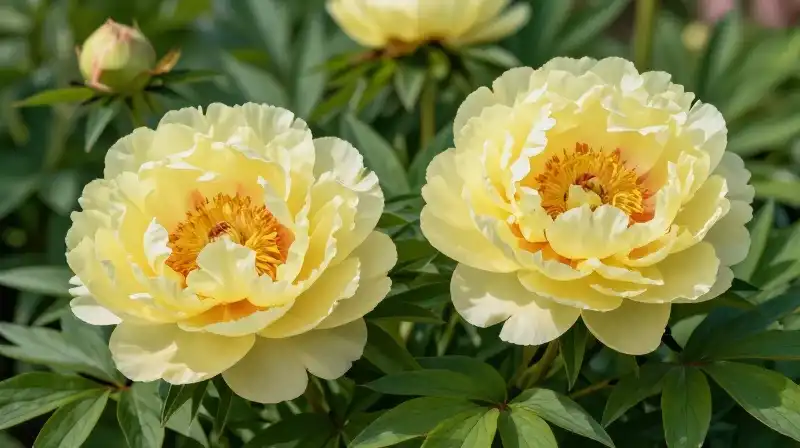 Regardless of the type chosen, successful cultivation depends on proper foundational care.
Soil and Light Requirements
Paeonia yellow varieties thrive in well-drained soil and require full sun to receive the best color intensity. Because they are heavy feeders, amending the soil with organic matter before planting ensures a vigorous start.
Root Management and Seasonal Care
Many yellow peony plants benefit from proper pruning and maintenance. While you generally do not want to dig up the roots (yellow peony root is best left undisturbed), consistent watering during dry spells and ensuring the stems are cut back in late winter prevents unnecessary stress.
Choosing Your Perfect Yellow Peony
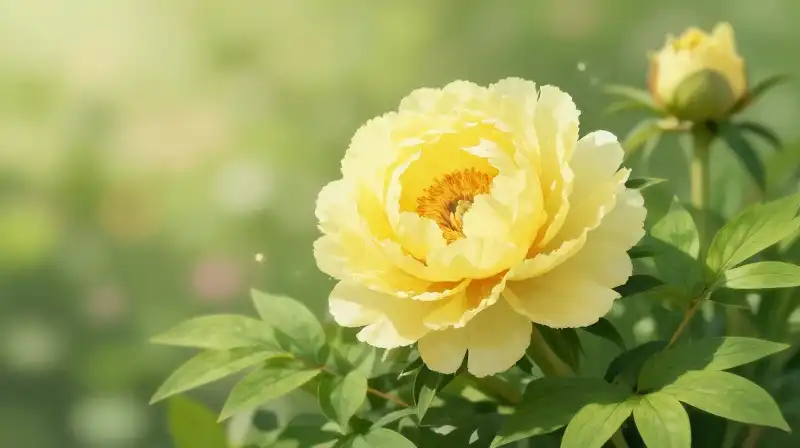 When deciding on a yellow peony, prioritize the goal of the flower over the specific name. If your priority is maximizing bloom diversity and color intensity, a reputable herbaceous cultivar like Lemon Dream or Goldilocks is a strong choice. If your goal is a classic, hardy plant that represents a specific botanical lineage, a species peony like *P. lutea* ‘delavayi’ is the definitive choice. Choosing the right paeonia yellow variety ensures a long-lasting and beautifully structured presence in your landscape.
Explore more: Dia de los Muertos Skull Designs: Symbols and Artistic Inspi
Maintaining the Health of Yellow Paeonia Plants
Amend the Soil
Amend the soil with organic matter before planting to ensure it is well-drained and can support vigorous growth.
Ensure Proper Placement
Ensure the plant receives full sun to allow it to receive the best color intensity.
Protect Root Structure
Do not dig up the roots, as the yellow peony root is best left undisturbed for better health.
Manage Water Intake
Provide consistent watering during dry spells to prevent the plant from becoming stressed.
Perform Winter Maintenance
Ensure the stems are cut back in late winter to prevent unnecessary stress and prepare for the next growing season.
Related Articles