
Carpet Beetle vs. Bed Bug: Understanding the Differences and Risks

Introduction
When confronting small pests, the confusion between carpet beetles and bed bugs is extremely common. While both are minute insects that can compromise the comfort and integrity of a home, they represent fundamentally different types of threats. A bed bug poses an immediate health risk through blood-feeding and targets resting areas, whereas a carpet beetle specializes in consuming natural fibers and organic debris. Recognizing the subtle but critical differences in their appearance, diet, and preferred hiding spots is the first step toward ensuring the correct, effective remediation.
How to Differentiate Between Bed Bugs and Carpet Beetles: Identification Guide
 The most reliable way to separate these pests is by focusing on the specific signs they leave behind on fabrics and skin, as their physical characteristics are often similar.
Appearance and Anatomy
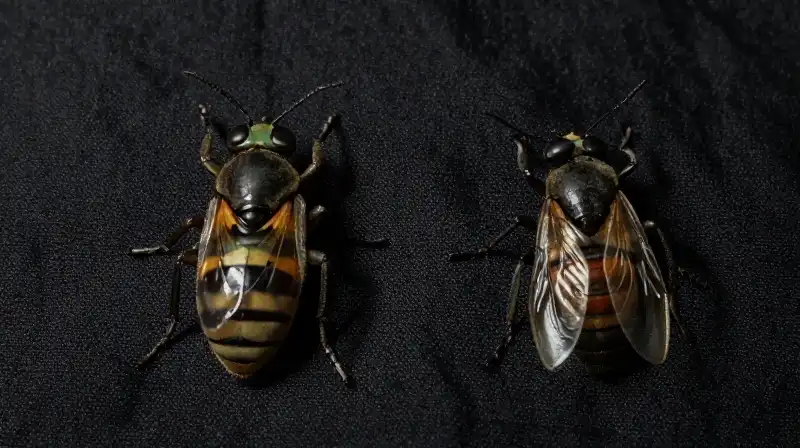
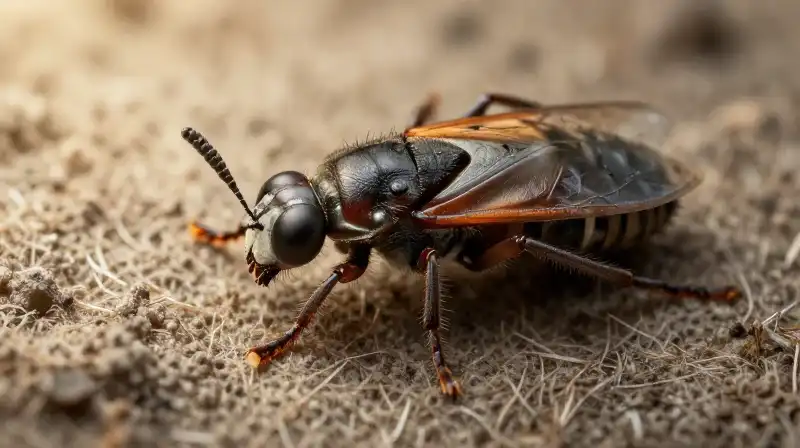
Bed bugs are typically small, oval, and reddish-brown in color. Their nymphs are flattened and slightly smaller versions of the adults. In contrast, carpet beetles vary widely in color—ranging from black to various shades of brown—and while also small and oval, their larvae are more distinctive, often appearing as fuzzy, bristly worms.
Feeding and Damage Signs
The primary differentiator is the damage they inflict:
- Bed Bugs: Signs are centered on the user and the immediate sleeping environment. Look for dark, granular fecal spots, blood stains on bedding or furniture, and distinct, red, itchy bite marks that often appear in clusters or lines on human skin. Molted skins may also be found near beds.
- Carpet Beetles: Signs are located in areas containing natural fibers. The definitive proof is finding tiny holes in clothing, rugs, or upholstery. The presence of these holes, combined with seeing live, fuzzy larvae, confirms an infestation.
Understanding the Diet and Habitat of Each Pest
 A clearer understanding of what each insect eats explains why they choose different parts of your home.
Diet and Habit
Bed bugs are obligate blood feeders. They require the blood of humans or animals to survive and reproduce. Their preference for sleeping areas is a direct result of their hunting habits. Carpet beetles, however, are omnivores that feed on organic material. Their diet includes natural fibers (wool, silk), dead insects, animal hair, and decaying organic matter. They do not feed on living people.
Typical Locations
Because of their specific diets, they gravitate toward different parts of a home:
- Bed Bugs: Thrive in crevices adjacent to human hosts—bed frames, mattress seams, headboards, and nearby furniture. They utilize luggage or personal items as common entry points.
- Carpet Beetles: Are typically found in rooms or storage areas where natural materials are abundant. This includes closets, upholstered furniture, sheds, and areas containing rugs or antique textiles. They often enter via doors or windows.
Analyzing the Risks: Health Versus Material Degradation
 The distinction between these pests is most crucial when assessing the risk they pose to your home.
Bed Bug Risk (Health & Safety)
Bed bugs pose a direct and immediate health risk. While typically not considered life-threatening, bites can cause severe irritation, allergic reactions, and discomfort. Because they hide close to human beds, they represent a persistent biological hazard that requires professional sanitization and elimination.
Carpet Beetle Risk (Property & Comfort)
Carpet beetles do not present a biological health hazard by feeding on humans. Their damage is focused on property value and material integrity. The constant eating of natural fabrics can lead to thinning patches in expensive clothing, rugs, or upholstery, resulting in significant material loss and requiring expensive replacements or deep cleaning.
Targeted Management and Control Strategies
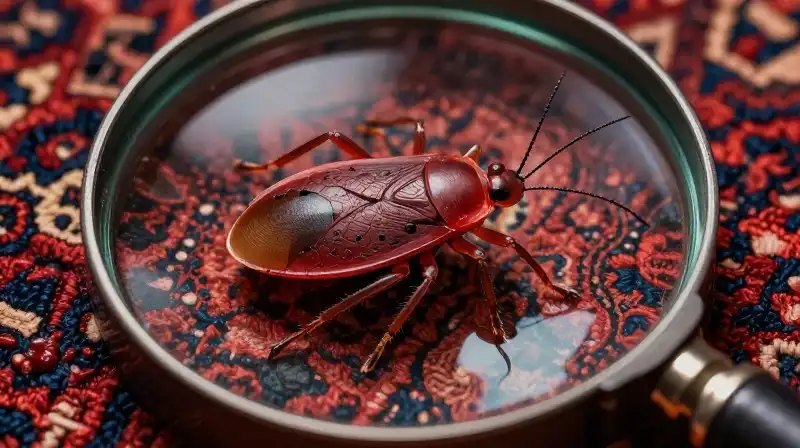 Since these pests are attracted to entirely different resources, a one-size-fits-all solution will not work. Remediation must be tailored to the specific pest.
Bed Bug Management Priorities
Eliminating bed bugs requires a thorough, layered approach focusing on heat and exclusion.
- High Heat Treatment: Utilizing heat (up to 120°F) is a primary method for killing bed bugs and their eggs.
- Thorough Vacuuming: Vacuuming mattresses, baseboards, and furniture cracks to remove pests and shed skins is essential.
- Exclusion: Sealing cracks and ensuring all personal items (like luggage) are treated before bringing them into the home.
Carpet Beetle Management Priorities
Control for carpet beetles focuses on environmental management and targeted removal of their food source.
- Inspection and Removal: The most effective step is identifying and removing all infested natural materials—such as wool coats, silk bags, or old rugs.
- Vacuum and Vacuum Filtration: Thorough vacuuming of fibers helps remove the live larvae and their accumulated debris.
- Containment: Storing delicate fabrics in airtight containers to prevent access to open natural fibers.
Final Practical Considerations for Prevention
 Identifying and effectively managing these two common pests requires vigilance, as both can be accidentally introduced into a home.
Common Error to Avoid
A frequent mistake is assuming that because a pest is small, it is less dangerous. This is incorrect; bed bugs are dangerous because of their proximity to our bodies, and carpet beetles are damaging because of their ability to dismantle high-value natural fibers. Never confuse the two, as it leads to the application of the wrong, ineffective treatments.
Prevention Tip
To minimize the risk of infestation, treat used furniture or luggage with heat before moving it indoors. For carpet beetles, practice routine inspection of storage areas and clothing to catch early signs of fiber damage before a full-scale infestation takes hold.
Managing and Controlling Bed Bug Infestations
High Heat Treatment
Utilize heat (up to 120°F) as a primary method for killing bed bugs and their eggs.
Thorough Vacuuming
Vacuum mattresses, baseboards, and furniture cracks to remove pests and shed skins.
Exclusion
Seal cracks and ensure all personal items, such as luggage, are treated before bringing them into the home.
Related Articles