
Do Roaches Eat Bed Bugs? Why You Need Separate Pest Control

Introduction
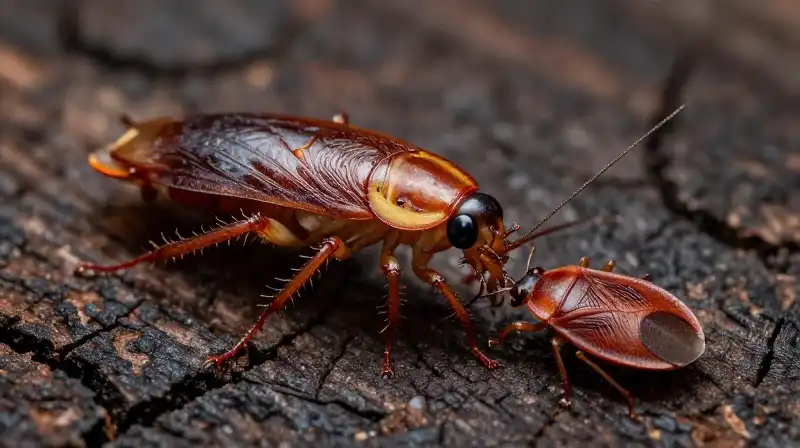
Do cockroaches actively eat bed bugs? The answer is complex: while cockroaches are scavengers and will occasionally consume bed bugs or their eggs, this interaction is almost always unintentional and does not constitute effective predation or control. Attempting to rely on roaches to eliminate a bed bug infestation is a critical management error. Bed bugs and cockroaches are two distinct pests with different ecological niches, reproductive cycles, and needs. Treating them as an interchangeable issue leads not to eradication, but to a compounded problem—a dangerous double infestation that requires targeted, separate strategies.
The Nature of the Interaction: Scavenger vs. Hunter
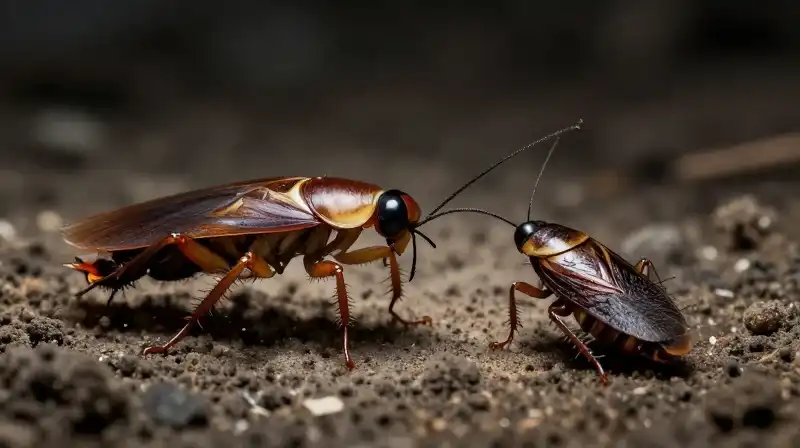 To understand the dynamic, it is important to distinguish between the habits of these two insects. Bed bugs are specialized parasites that thrive in the environment of a host, typically found within cracks of mattresses, upholstered furniture, and sleeping areas. Cockroaches, conversely, are opportunistic scavengers, favoring moisture and food sources in kitchen cabinets, bathrooms, and damp storage areas. When a cockroach consumes a bed bug, it is typically an accidental event. Cockroaches do not actively hunt bed bugs or target specific hidden locations of the parasite. The consumption usually occurs when a cockroach is starved and encounters a bed bug or its eggs in the shared periphery of their movements. The high reproductive rate of bed bugs means that even if cockroaches sporadically consume a small number, the impact on the overall population is negligible.
Why Treating Infestations as One Problem is Counterproductive
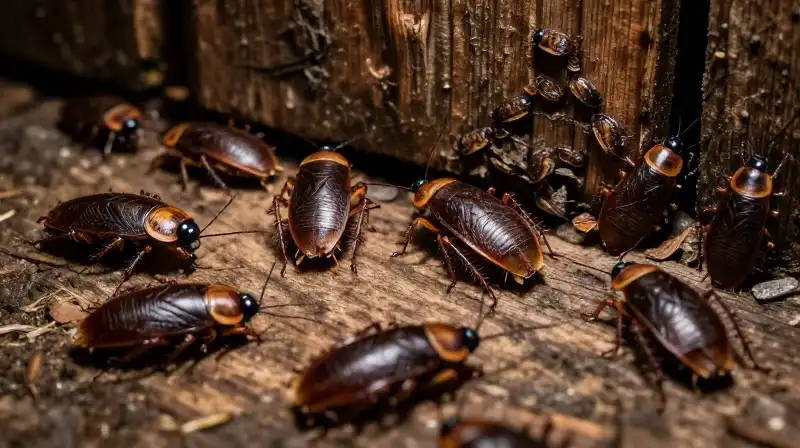 Mixing the treatments for these two pests inevitably leads to the failure of both. Since bed bugs and cockroaches inhabit and prefer different environments, they require different strategies to succeed. Cockroach control focuses on the environment—eliminating the moisture and food sources they thrive on. Bed bug control focuses on the organisms themselves—targeting their life stages across a wide temperature spectrum where they hide. Relying on co-inhabitants to manage their own threat fails to address the root cause. Instead, it allows one population (usually the cockroaches) to thrive while the other (the bed bugs) continues to reproduce unchecked in the undisturbed nesting sites. This results in a situation where the entire home suffers from two distinct, health-hazardous infestations.
Health Risks and the Case for Separation
Allowing a thriving cockroach population in your home poses risks far beyond mere inconvenience. Cockroaches can contaminate living surfaces with various pathogens, including *Salmonella* and *E. coli*, and they are potent triggers for household allergies and asthma. Because bed bugs also require meticulous care and do not thrive in the “sanitary” conditions needed to keep cockroaches away, the health risks associated with both are compounded in a shared infestation. To maintain a safe living space, each pest requires a tailored protocol to ensure that the infestation is fully addressed rather than merely managed in a temporary ceasefire.
Differentiating Control Methods: Bed Bugs vs. Roaches
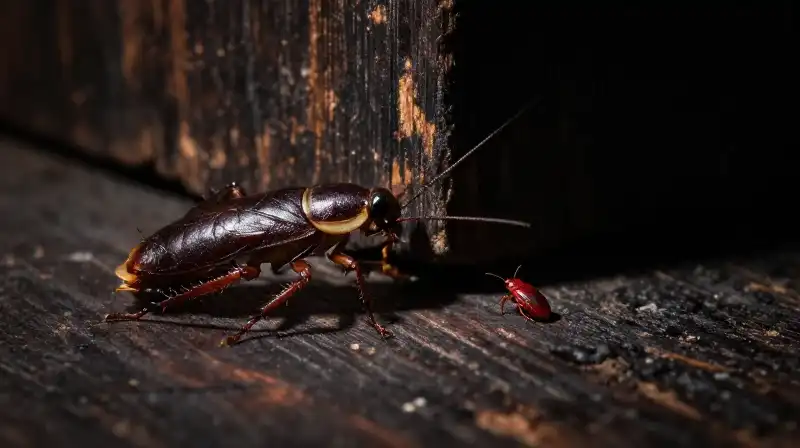 Effective eradication requires recognizing the distinct vulnerabilities and hiding places of each pest. Here is a comparison of the focused strategies for each:
| Pest | Primary Environment | Core Control Focus | Key Actions |
|---|---|---|---|
| Bed Bugs | Bed frames, upholstered furniture, cracks | Targeting the entire lifecycle/Hiding spots | Thorough vacuuming, sealing cracks, using heat or steam treatments, targeted chemical application. |
| Cockroaches | Kitchen cabinets, bathrooms, damp basements | Eliminating food/moisture/habitat | Rigorous sanitation, moisture control, use of targeted bait or gel treatments in harborage areas. |
| The approach to bed bugs must be meticulous and thorough, focusing on “kill them all” across all life stages. The approach to roaches must be systematic, focusing on habitat elimination and disruption. |
Addressing Common Search Scenarios
Some readers frequently encounter nuanced questions that do not fit into a simple yes/no answer. Addressing these points helps clarify the path forward:
Which is worse: Bed bugs or cockroaches?
There is no single answer, as “worse” depends on your personal living situation. Cockroaches pose immediate health risks and widespread contamination to the living area. Bed bugs are notorious for their ability to multiply rapidly in specific, often undisturbed, sleeping quarters, making them extremely difficult to eradicate without intense, localized intervention.
Can bed bugs and cockroaches live together?
Yes, they can coexist, but this is not advisable. They will likely inhabit the same home but different areas. A coexistence means a double infestation, which exponentially increases the difficulty of eradication and the associated health risks.
Prioritizing Comprehensive Pest Management
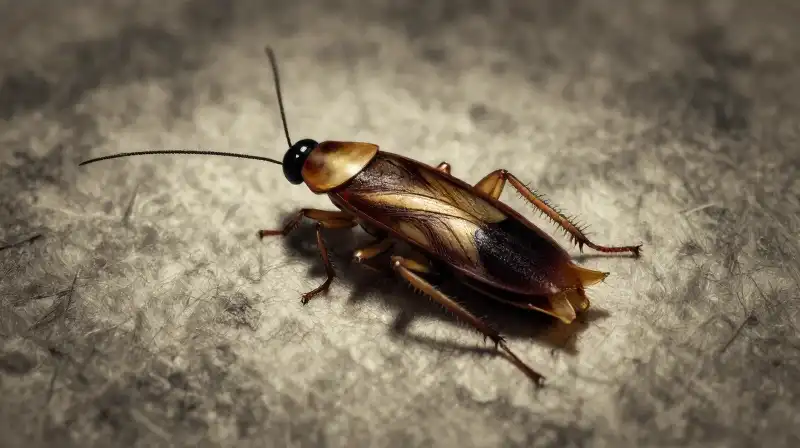 Successful pest control depends on a prioritized, dual-pronged attack. Because both populations can spread rapidly and utilize different ingress and harborage points, professional or highly targeted intervention is necessary. Do not assume that one treatment will solve the other problem. The practical path forward involves: 1. **Identify the Primary Infestation:** Determine which pest is most problematic or where the damage is most concentrated (e.g., is it primarily kitchen cabinets or mattresses?). 2. **Treat Systematically:** Begin with the primary target (bed bugs, roaches, etc.) using the specific, appropriate methods (heat, baits, sanitation). 3. **Isolate and Clean:** During the eradication of one pest, strictly maintain the sanitation required to eliminate the other, preventing their mutual proliferation. Ultimately, achieving a clean home means addressing the specific needs of each pest separately and thoroughly, rather than relying on an ineffective, accidental interaction.
How to Prioritize Comprehensive Pest Management
Identify the Primary Infestation
Determine which pest is most problematic or where the damage is most concentrated (e.g., is it primarily kitchen cabinets or mattresses?).
Treat Systematically
Begin with the primary target (bed bugs, roaches, etc.) using the specific, appropriate methods (heat, baits, sanitation).
Isolate and Clean
During the eradication of one pest, strictly maintain the sanitation required to eliminate the other, preventing their mutual proliferation.
Related Articles