Controlling White Fungus: Proven Strategies for Managing Powdery Mildew

Introduction
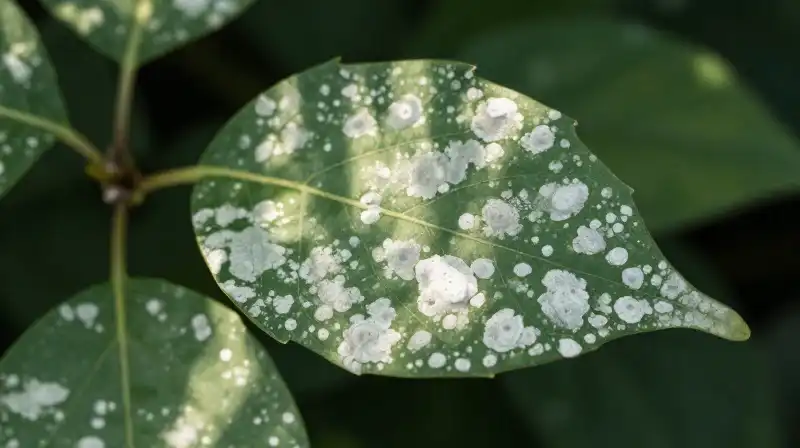
When a white, powdery growth appears on the leaves, stems, or buds of your plants, it is likely powdery mildew. This common fungal infection, which manifests as a dusty coating, can severely reduce plant vigor and ultimately threaten harvests. While the appearance of this white fungus on plants is concerning, controlling it requires a strategic, two-pronged approach: intensive environmental management and targeted treatments. Effective management focuses less on immediate eradication and more on creating conditions that inhibit the fungus in the first place.
This guide outlines proven strategies, from optimizing your garden’s structure to utilizing specific remedies, to help you successfully manage powdery mildew and protect your plants.
Understanding the Infection: Symptoms and Triggers
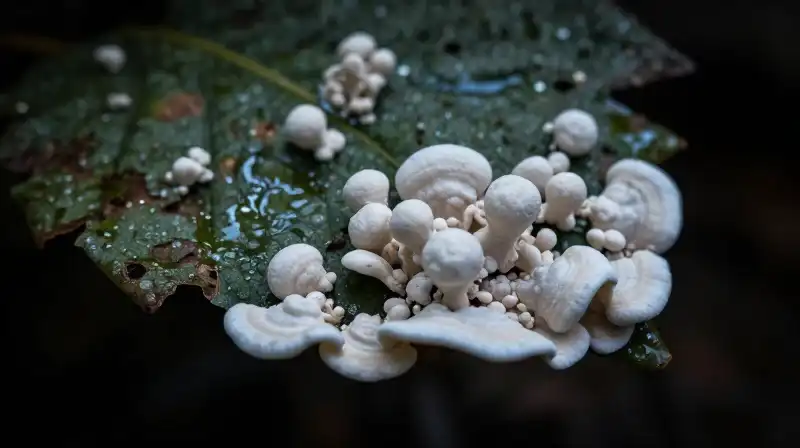
Powdery mildew is a fungal disease that thrives when environmental conditions become conducive to fungal growth. It does not require excessive moisture on the surface to thrive; rather, it relies on specific atmospheric conditions.
Key Symptoms of Powdery Mildew
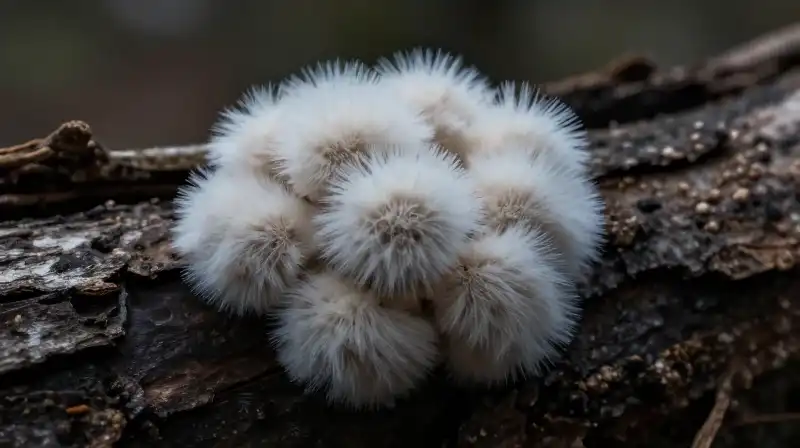
- White Powdery Coating: The hallmark symptom—a white, fuzzy, or dusty fungal growth visible on foliage, stems, and sometimes flowers.
- Leaf Distortion: Young leaves may become curled, shriveled, or distorted as the infection progresses.
- Reduced Vigor: Infected plants often show signs of overall stress and a significant decline in health and growth.
- Discolored Foliage: While the fungus is white, the underlying host tissue may begin to turn yellow or brown as the infection takes hold.
Ideal Conditions for Fungal Spread
The fungus is opportunistic. It flourishes in sheltered spots where air remains stagnant and where high humidity causes prolonged leaf wetness. Additionally, an imbalance in soil nutrients—specifically, excessive nitrogen fertilization—can lead to rapid, succulent new growth that is highly susceptible to mildew.
Cultural Controls: The Proactive Defense
The most sustainable and effective way to combat white fungus on plants is by altering the growing environment. These cultural practices address the fundamental needs of the fungus and the plant simultaneously.
Optimizing Plant Spacing and Structure
Air circulation is the single most important factor in controlling powdery mildew. A dense, overcrowded plant structure traps moisture and prevents the foliage from drying quickly.
- Increase Spacing: Ensure adequate distance between plants to allow for free airflow.
- Open the Canopy: Regular pruning is vital. By carefully removing overly dense or overcrowded shoots, you increase internal circulation and reduce the relative humidity within the plant’s structure.
- Strategic Placement: Avoid planting in low, sheltered corners of your garden where cool, damp air settles. Full sun exposure is preferred as it helps dry out the foliage.
Ensuring Soil Health and Drainage
Maintaining proper hydration is a critical preventive measure. Plants require good drainage to prevent root stress, which weakens the entire plant’s immune response. While regular watering is needed, always ensure the water is applied effectively without pooling around the base of the plant.
Targeted Treatment and Remedies

When mildew is already present, intervention is necessary. The best treatment strategy depends on the severity of the infection and your preference for organic versus chemical controls.
Natural and Home Remedies
For early-stage infections or smaller plants, certain natural solutions can offer relief:
- Neem Oil: This organic fungicide helps disrupt the fungal life cycle. It must be applied thoroughly, ensuring the underside of the leaves is treated, and it should be used according to the manufacturer’s instructions.
- Baking Soda Spray: Mixing a solution of baking soda and water can sometimes inhibit fungal growth on leaf surfaces. This is generally a milder treatment for early signs.
- Vinegar Solution: Addressing the common query regarding vinegar: Vinegar can act as a temporary surface deterrent for mild infections, especially when used periodically. However, it is crucial to understand that vinegar does not cure the systemic infection and should only be used as a component of an overall preventative spray regimen, never as a sole solution.
Chemical Intervention: When and How to Use Them
Fungicides are generally discouraged due to their potential negative impacts on garden biodiversity and soil health. However, if the infection is severe and threatens the survival of the crop, targeted chemical controls may be necessary. If you choose this path, adhere strictly to the following:
- Minimal Application: Use the absolute minimum amount required.
- Targeted Use: Apply directly to infected areas rather than blanketing the entire garden unnecessarily.
- Follow Safety Guidelines: Strict adherence to usage instructions and safety protocols is non-negotiable.
Managing Humidity and Environmental Stress
Controlling the environment is the primary defense. Humidity and water contact are the fungal favorites, so disrupting these conditions is key.
The Importance of Moisture Control
The mildew dislikes prolonged contact with water. One practical method to reduce the fungal inoculum is to switch to mid-morning overhead watering. By the time the sun is high, the leaves have been exposed to drying heat, minimizing the time available for the fungus to establish itself. Avoid late evening watering entirely.
Infection Source Management
Be mindful of wild relatives of your susceptible plants; they can act as natural sources of the infection. Regular garden hygiene practices are essential: promptly remove and destroy all diseased plant parts, and thoroughly clean up and destroy fallen infected leaves, especially during the autumn season when fungal spores are often abundant. This continuous removal reduces the overall inoculum in the garden.
Summary of Prevention and Decision Criteria
Managing white fungus on plants is a continuous process of observation and prevention. If you are deciding between relying on natural methods versus chemical treatments, the guiding principle should be prioritizing cultural controls first.
Use this decision criteria checklist to guide your response:
- Mild/Early Signs: Prioritize cultural controls (pruning, increased air flow) and natural treatments (Neem oil, vinegar).
- Moderate/Widespread Infection: Implement a strict regimen of environmental hygiene (removing all infected parts) combined with targeted organic treatments.
- Severe/Crop Threat: If environmental changes and organic treatments fail, consider highly targeted, minimal chemical application, adhering strictly to safety standards.
Ultimately, a proactive approach—one that emphasizes air circulation, proper spacing, and prompt removal of infected debris—is the most effective, long-term strategy for maintaining a healthy, mildew-free garden.
Frequently Asked Questions
How does vinegar get rid of white fungus on plants?
Vinegar can act as a temporary surface deterrent for mild infections when used periodically. It is important to note that vinegar does not cure the systemic infection and must only be used as part of an overall preventative spray regimen.
How to Manage Powdery Mildew on Plants
Implement Cultural Controls
Increase plant spacing to allow for free airflow, and regularly prune the canopy to prevent overcrowding and reduce relative humidity within the plant's structure.
Manage Environmental Moisture
Avoid late evening watering and switch to mid-morning overhead watering to ensure foliage dries quickly under the sun, minimizing the time available for the fungus to establish itself.
Treat Early Infections with Natural Remedies
For mild, early-stage infections, apply neem oil thoroughly to the underside of leaves, or use a mild baking soda spray to inhibit fungal growth.
Practice Garden Hygiene
Regularly remove and destroy all diseased plant parts and thoroughly clean up fallen infected leaves to reduce the overall fungal inoculum in the garden.
Escalate Treatment for Severe Cases
If organic treatments fail against a severe infection, consider highly targeted and minimal chemical application, adhering strictly to safety guidelines and usage instructions.
Related Articles