3x3 Garden: What to Plant and How to Design the Bed

Introduction
A 3x3 foot raised garden bed is the quintessential small-scale growing area—perfect for maximizing productivity in limited urban or suburban spaces. While the small dimensions might suggest limitations, a 3x3 garden, when properly designed and planted, offers a highly efficient ecosystem capable of producing a substantial harvest. This guide moves beyond simple plant lists, offering specific advice on how to design the space, optimize its structure, and determine which crops thrive within these specific constraints. By planning for both efficient watering and intensive planting, you can transform a modest planter box into a productive green corner.
Designing the Bed: Structure and Irrigation
Effective gardening begins with the physical design. A 3x3 bed requires a plan that accounts for accessibility, soil health, and water management. The structural integrity, typically achieved using galvanized metal or durable wood, should support a deep, well-aerated soil volume.
Optimizing the Layout for Accessibility
Due to the compact size, ease of maintenance is critical. Ensure the bed is positioned near a water source and is easily accessible for weeding, harvesting, and adding amendments. A 3x3 bed is large enough to require strategic placement of tools, but small enough to be worked thoroughly from the edges without excessive bending.
Implementing Efficient Watering Systems
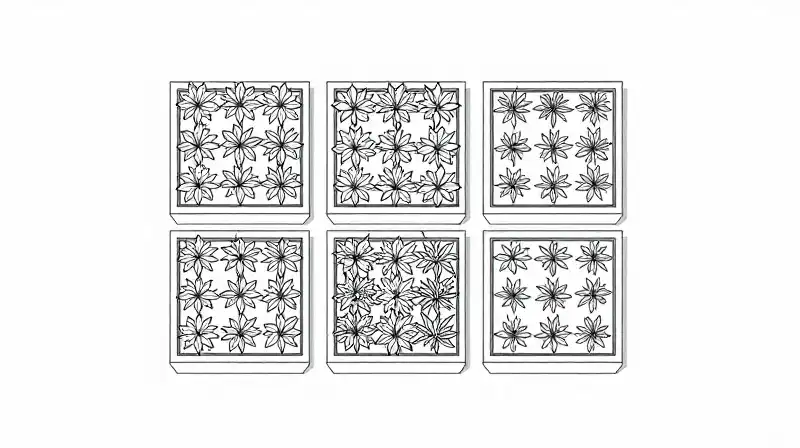
The term 3x3 garden often intersects with efficient watering solutions. Unlike large, sprawling gardens that require constant manual irrigation, a small, defined area benefits significantly from targeted distribution. Consider integrating a simple grid-based irrigation solution. These systems ensure consistent moisture across the entire surface, preventing dry spots near the edges and reducing water waste. This is particularly useful for establishing the consistent moisture levels needed by various plants within the concentrated footprint.
What to Plant in a 3x3 Raised Bed
The selection of plants should be dictated by the required growing space. A successful 3x3 plan avoids overcrowding by focusing on high-density, compact varieties and utilizing the vertical space.
Best Companion Vegetables and Herbs
For quick yields and strong companion benefits, a mix of leafy greens, root vegetables, and compact culinary herbs is ideal. These plants generally require less initial space and produce harvests relatively quickly.
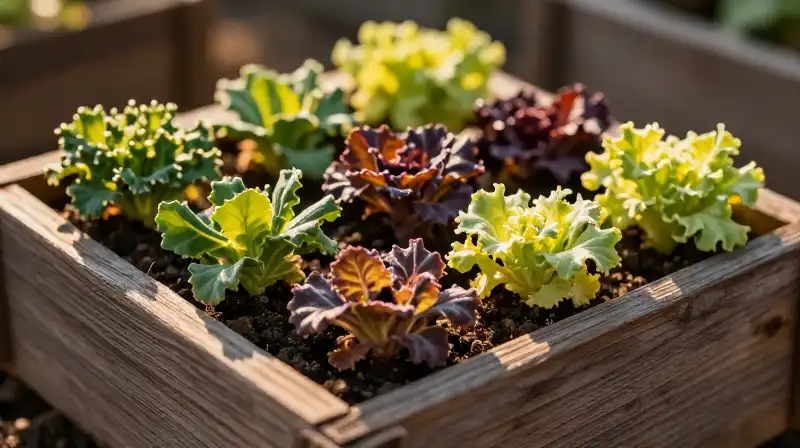
- Leafy Greens: Loose-leaf lettuce, spinach, and kale thrive in 3x3 spaces, providing continuous harvesting as the leaves are picked.
- Root Vegetables: Radishes and short varieties of carrots or beets perform well in smaller, defined beds. Ensure adequate depth (at least 12 inches) for root development.
- Compact Herbs: Basil, thyme, and chives are ideal for containers and small beds, offering high flavor payoff in minimal square footage.
High-Yield and Space-Saving Fruits
To achieve maximum production, strategic placement of compact fruiting plants is essential. These require support structures, which can also enhance the overall design of the bed.
The following varieties are well-suited for constrained environments:
- Cherry Tomatoes: Select determinate or “bush” varieties. Unlike sprawling heirloom types, these stay within a manageable footprint and can be trained vertically, saving critical horizontal space.
- Bush Beans: While pole beans offer high yield, bush varieties are excellent for 3x3 beds as they do not require a tall trellis and maintain a tighter structure.
- Strawberries: Depending on the planting method (e.g., trailing over a side of the bed), strawberries produce reliable harvests with minimal disruption to other crops.
Maximizing Yield Through Planting Strategies
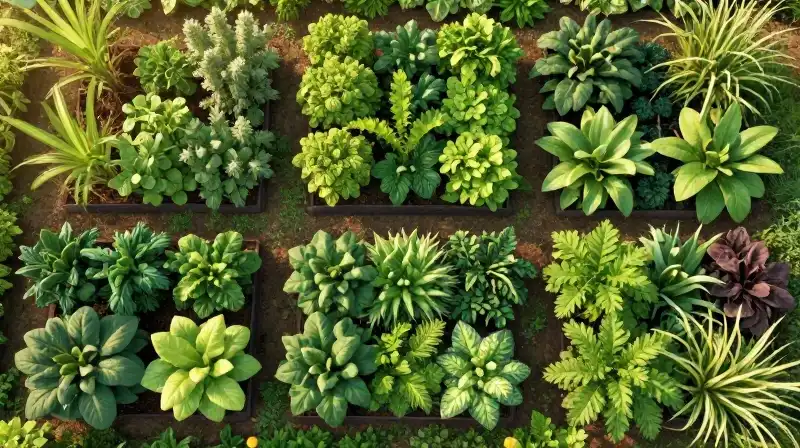
Simply placing plants in a 3x3 area is not enough; optimizing the layout is key. The strategy involves mixing ground-level, vertical, and structural elements to achieve high density without sacrificing plant health.
Implementing Vertical Gardening
The 3x3 footprint can be significantly enhanced by growing upward. Using trellises, cages, or strategically placed vertical planters on the perimeter of the bed allows plants like climbing cucumbers, pole beans, and determinate squash to utilize vertical space, thereby freeing up valuable ground real estate for other crops. This method is crucial for high-density farming.
Strategic Companion Planting
Grouping certain plants together improves growth rates and discourages pests. For instance, planting basil near tomatoes can boost flavor and deter pests, while marigolds can be interspersed throughout the bed to naturally repel nematodes and harmful insects. This form of natural pest management is particularly effective in contained environments.
Consider Sunlight and Microclimates
Before planting, map the sun exposure of your specific 3x3 location. Most vegetables require at least six hours of direct sunlight. Areas that receive less intense sun are best reserved for shade-tolerant leafy greens and root vegetables. Using the bed’s orientation to create microclimates—such as positioning tall, sun-loving plants on the south-facing edge to partially shade more delicate crops during the hottest part of the day—can significantly impact the health and output of the garden.
Practical Warnings and Maintenance Checklist

Success in a small 3x3 space depends on rigorous management. A confined area requires meticulous attention to soil quality and water levels.
Managing Soil and Nutrition
Because the soil volume is limited, nutrients can be depleted quickly. Routinely incorporate aged compost or slow-release granular organic fertilizers. Avoid relying on heavy chemical inputs, which can degrade the quality of the contained soil. Regular monitoring of soil moisture and nutrient levels is far more important in a small bed than in a large one.
Addressing Common Growing Constraints
Frequent issues in confined 3x3 beds include:
- Compaction: Because the space is so small, foot traffic and improper watering can compact the soil, restricting root growth. Always utilize designated pathways and ensure proper drainage to prevent waterlogging.
- Pest Concentration: Concentrating plants in one area can sometimes lead to localized pest outbreaks. Act immediately upon spotting pests and use targeted, organic solutions rather than broad sprays.
Effective 3x3 garden design requires viewing the bed not just as a planter, but as a highly managed, multi-functional growing system where structure, water delivery, and biological diversity work together to maximize every square inch.
Frequently Asked Questions
What can I plant in a 3x3 raised bed?
You can successfully grow leafy greens like lettuce, spinach, and kale, along with root vegetables such as radishes and short carrots, compact herbs, and space-saving fruits like bush beans, cherry tomatoes, and strawberries. For maximum production, you can also utilize vertical space to grow climbing cucumbers, pole beans, and determinate squash.
How to Design and Grow a Productive 3x3 Raised Garden Bed
Design the Physical Structure
Build the bed using galvanized metal or durable wood, ensuring it supports deep, well-aerated soil. Position the bed near a water source for accessibility. Implement a grid-based irrigation system to ensure consistent moisture across the entire surface.
Select High-Yield Crops
Choose compact and high-density varieties such as leafy greens (lettuce, spinach), short root vegetables (radishes, carrots), compact herbs (basil, thyme), and bush varieties of fruits (determinate cherry tomatoes, bush beans).
Optimize the Planting Layout
Utilize vertical gardening methods (trellises or cages) to grow upward, freeing up horizontal space. Strategically group certain plants (companion planting) like basil and tomatoes, and intersperse marigolds for natural pest management.
Manage Soil and Nutrients
Routinely incorporate aged compost or slow-release organic fertilizers into the limited soil volume to prevent quick nutrient depletion. Avoid heavy chemical inputs and monitor soil moisture levels frequently.
Address Constraints and Maintenance
Prevent soil compaction by using designated pathways. Monitor the garden closely; if pests appear, act immediately using targeted, organic solutions rather than broad sprays. Map sunlight exposure to place shade-tolerant crops appropriately.
Related Articles