Donkey Ear Plant: Size, Toxicity, and Comprehensive Care Guide

Introduction
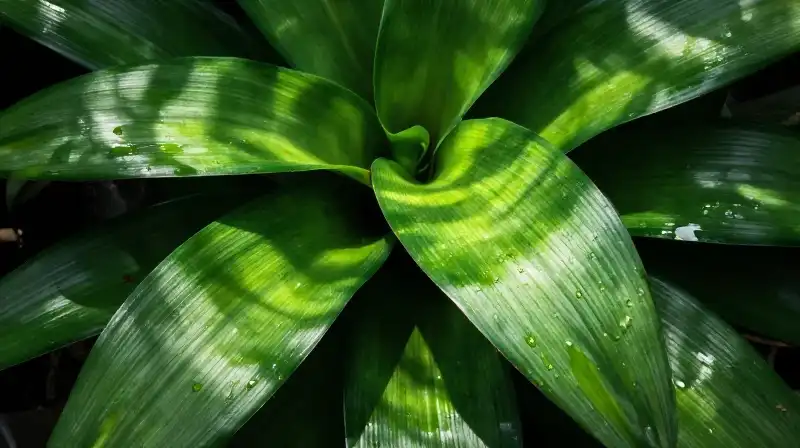
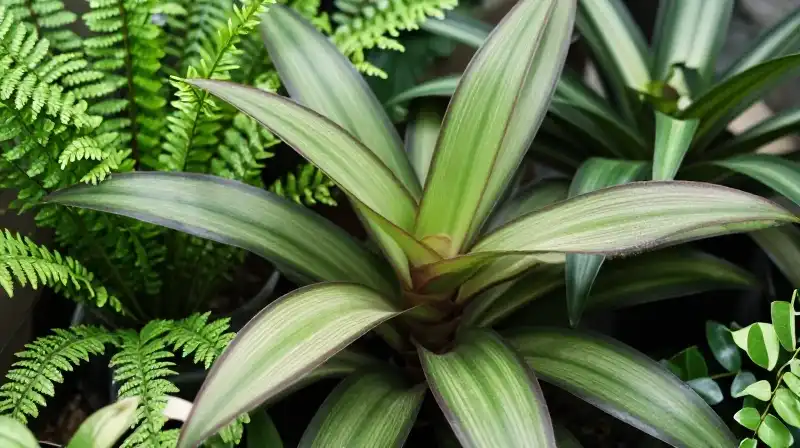
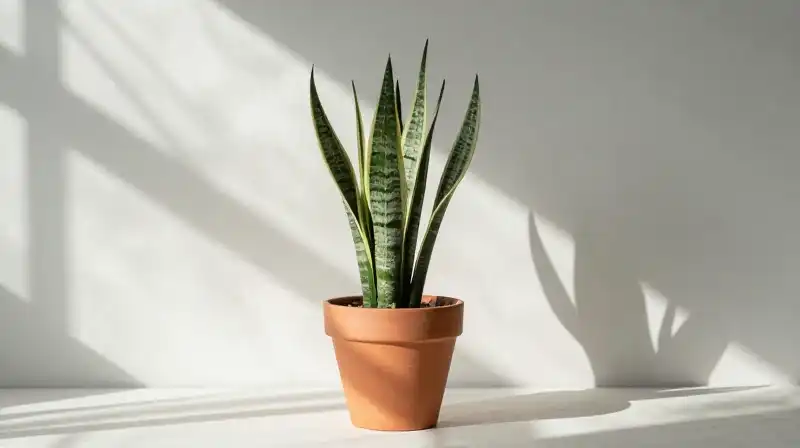
The donkey ears plant (also known by various common names such as *Sansevieria trifasciata* or related species) is prized for its striking, architectural foliage. Its stiff, upright leaves, often boasting patterns and textures that resemble the distinct ears of a donkey, make it a popular choice for both drought-tolerant gardening and interior decoration. However, while visually appealing and known for its hardiness, successful ownership requires understanding its specific needs, growth patterns, and potential risks.
This guide focuses on providing comprehensive, practical knowledge regarding the donkey ears plant. We cover its natural growth potential, whether it poses a risk to household members, and the specific environmental requirements necessary to ensure it thrives, whether kept indoors or cultivated outdoors.
Safety First: Is the Donkey Ear Plant Poisonous?
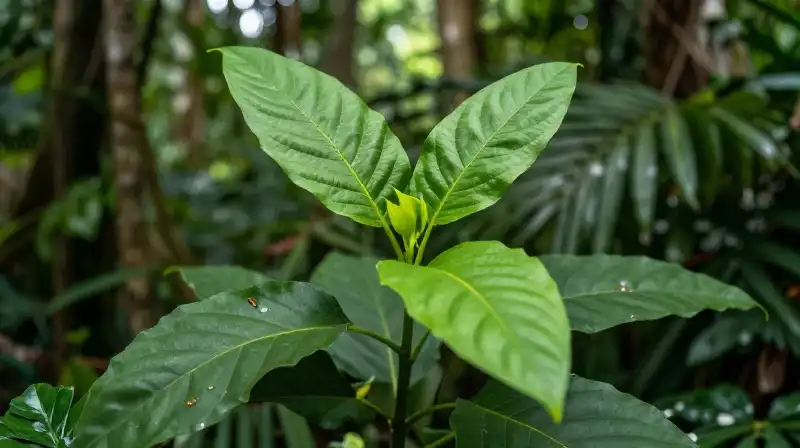
The safety of the donkey ears plant is a primary concern for many potential owners. When dealing with any houseplant, it is essential to verify toxicity before introducing it into an environment where pets or small children are present.
While general health risks can vary based on the specific cultivar, many donkey ears plants are classified as mildly toxic when ingested. If a child or pet chews or ingests the leaves, the plant can cause gastrointestinal upset. The symptoms typically include vomiting, diarrhea, and irritation of the mouth and throat.
Precautionary measures:
- Always keep the plant out of reach of curious pets and small children.
- If ingestion is suspected, consult a medical professional immediately.
- Though generally low-toxicity compared to some tropical plants, it should be treated with standard care precautions for non-edible flora.
Understanding Donkey Ear Plant Growth and Size
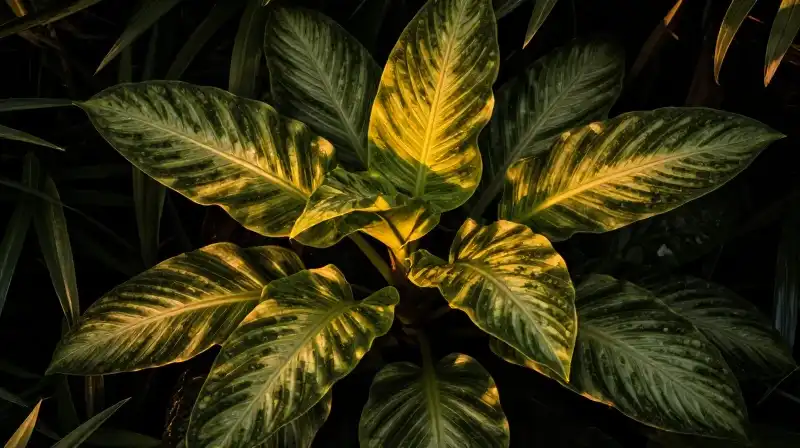
Knowing how big the donkey ears plant gets helps determine if it is suitable for your space. These plants are generally known for their slow to moderate growth rate, making them excellent for areas where rapid plant turnover is undesirable.
The ultimate size of a donkey ears plant depends heavily on several variables, including the specific species, light exposure, and whether it is cultivated indoors or outdoors. Generally, a mature donkey ears plant can reach considerable height and width:
Expected Size Parameters:
- Indoor Conditions: When grown in typical indoor lighting, the plant usually remains manageable, often reaching heights between 2 and 4 feet, depending on its age.
- Optimal Conditions (Full Sun/Outdoor): Under ideal growing conditions with maximum sun and adequate space, these plants can become large, reaching heights exceeding 5 or even 6 feet over several years.
- Growth Rate: Growth is not rapid; consistent care over a prolonged period is necessary to achieve its maximum size.
Comprehensive Care Guide for Donkey Ears Plants
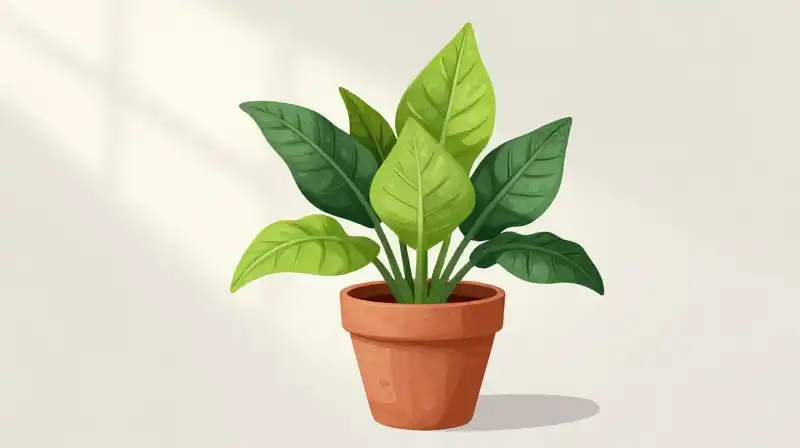
The donkey ears plant is renowned for its resilience, but resilience does not mean indifference. It requires consistent attention to its environmental needs to perform optimally.
Light Requirements for Optimal Health
Donkey ears plants are highly adaptable, but their best performance occurs when they receive adequate light. They generally prefer bright, indirect light, especially if positioned indoors.
For those growing them outside, full sun is often necessary to maintain the health and variegation of the leaves. Inconsistently low light can lead to “etiolation,” where the plant stretches and becomes spindly, and the foliage can lose its vibrant coloration.
Watering Strategy: Preventing Root Damage
One of the most common mistakes owners make is overwatering. Since the donkey ears plant is naturally suited to arid conditions, its foliage can store water, making it highly susceptible to root rot if kept damp.
Effective watering relies on a schedule that is responsive to the plant’s environment:
- General Rule: Allow the soil to dry out completely between waterings. Stick your finger one to two inches into the soil; if it feels damp, wait.
- Seasonal Adjustment: Watering needs decrease significantly during winter months when growth slows. Summer requires more consistent moisture, though still only when the top soil is dry.
Soil and Potting Decisions
To ensure proper drainage and prevent water accumulation, choose a gritty, well-draining potting mix. A blend containing perlite, pumice, or coarse sand is ideal.
When repotting, always choose a container with excellent drainage holes. Since these plants tend to be hardy and resilient, avoid using excessively large pots, which can hold too much moisture and accelerate root rot.
Propagating and Maintaining Your Donkey Ears Plants
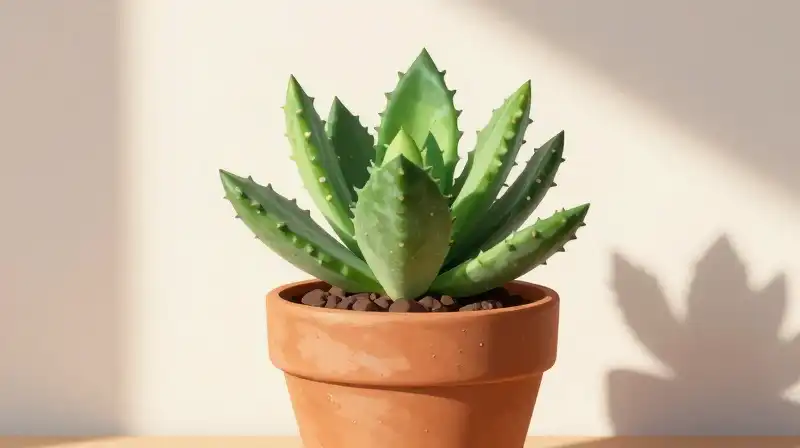
If you wish to expand your collection or start a new plant, propagation is relatively straightforward, though care must be taken.
Propagation Methods
Donkey ears plants can typically be propagated in a couple of ways, depending on the species and desired outcome:
- Leaf Cuttings: Healthy leaves can often be separated from the mother plant and placed in a sterile, moist soil environment to encourage root development.
- Offsets: Some varieties produce smaller “pups” or offsets near the base of the parent plant, which can be carefully separated and replanted.
Pruning and Maintenance
Regular maintenance ensures the plant maintains its aesthetic appeal. If leaves become yellow, damaged, or appear dead, it is best practice to remove them promptly. This allows the plant to focus its energy on new growth rather than maintaining decaying foliage. Pruning can also help maintain a compact size, which is ideal for indoor donkey ears plants.
Summary of Optimal Plant Management
To maximize the longevity and health of your donkey ears plants, focus on these critical points:
- Safety First: Keep the plant out of the reach of children and pets due to potential mild toxicity.
- Water Conservatively: Always ensure the soil dries completely between waterings to prevent root rot.
- Light is Key: Provide bright light, indirect or direct, depending on the plant’s location and species.
- Support Growth: Use a well-draining soil mix and avoid overly large pots that retain excess moisture.
By adhering to these practical care guidelines, you ensure that your donkey ears plant thrives, displaying its unique foliage without succumbing to common horticultural challenges.
Frequently Asked Questions
How big do donkey ear plants get?
Indoors, a donkey ear plant typically remains manageable, often reaching heights between 2 and 4 feet. Under optimal outdoor conditions with maximum sun, these plants can become large, reaching heights exceeding 5 or even 6 feet over several years.
Is the donkey ear plant poisonous?
Yes, many donkey ears plants are classified as mildly toxic when ingested, which can cause gastrointestinal upset in children or pets. Symptoms may include vomiting, diarrhea, and irritation of the mouth and throat.
How to Care for a Donkey Ears Plant
Provide Optimal Light
If indoors, ensure the plant receives bright, indirect light. If growing outdoors, full sun is generally necessary.
Prepare the Potting Mix
Use a gritty, well-draining potting mix, ideally containing perlite, pumice, or coarse sand, to prevent water accumulation.
Select Appropriate Drainage
Choose a container that has excellent drainage holes and avoid using excessively large pots which can retain too much moisture.
Manage Watering Intervals
Allow the soil to dry out completely between waterings. Use the finger test (1 to 2 inches deep) to check soil dampness before watering.
Adjust for Seasons
Reduce watering frequency during winter months when growth slows, but maintain consistent moisture during summer only when the top soil is dry.
Perform Regular Maintenance
Promptly remove any yellow, damaged, or dead foliage to allow the plant to focus its energy on new, healthy growth.
Related Articles