Rio Dipladenia Care Guide: Mastering Dormancy and Winter Survival

Introduction
The health of Rio Dipladenias depends on successfully navigating their annual cycle, which includes a distinct period of winter dormancy. While these vibrant plants (often sought after as rio flowers) are known for producing bright blooms and lush foliage, their survival outside of their natural tropical environment requires specific environmental management, especially during the colder months. To maintain a thriving plant, understanding and respecting the plant’s natural rhythm—specifically its cold tolerance, watering needs, and feeding schedule—is essential for mastering their care.
Winter Survival and Temperature Requirements
 Rio Dipladenias are sensitive to freezing temperatures and must be protected during cold snaps. The critical threshold for their survival is when temperatures drop below 45°F (7°C). Once the autumn air begins to cool and the risk of prolonged freezing increases, you must move the plant indoors. Because these plants require a consistent source of light to maintain health, place the potted Dipladenia near a window that guarantees all-day sunlight throughout the winter months. This light source compensates for the reduced growing activity during dormancy, helping the plant transition smoothly through its rest period.
Understanding the Dormancy Cycle
Rio Dipladenia plants undergo a natural dormant rest period between October and April. This is not a period of death, but a state where the plant slows its metabolic functions to conserve energy through the colder, less productive months. When the plant enters dormancy, it is typical to observe some foliage loss. This is a normal physiological response, and it does not indicate poor care. During this time, the primary focus shifts from growth to preservation.
Watering Rio Dipladenia During Rest
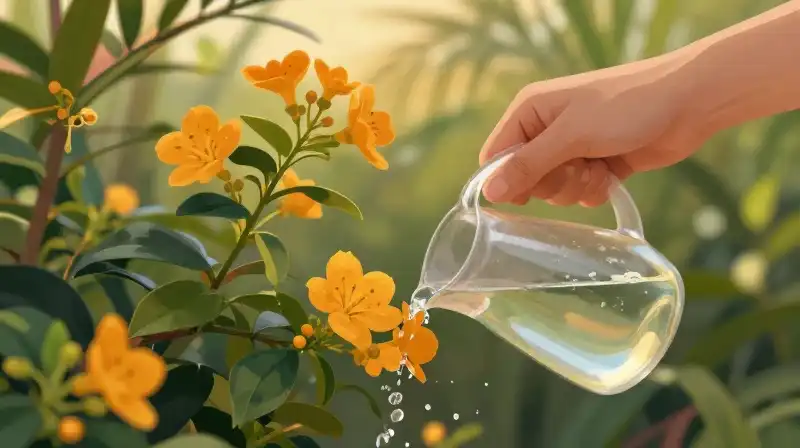 During the dormant phase, watering should be infrequent. Overwatering is one of the most common causes of stress or root rot in Dipladenias, particularly when they are not actively growing. The correct moisture level to maintain is when the top two inches (5cm) of the soil feel dry to the touch. Check the soil consistently but allow for this drying period before providing the next drink. This simple routine is sufficient to keep the plant stable without encouraging excessive new growth or damaging the root system.
Fertilization: Timing and Formula for Dormancy
Feeding your Rio flowers depends entirely on the current phase of their growth cycle. Fertilization must be strictly managed around the dormancy period.
The Dormancy Rule
Strictly avoid fertilizing any Dipladenias between October and April. The plant does not utilize these nutrients, and introducing them during dormancy can disrupt its natural rest cycle and potentially damage the roots.
Active Growth Schedule
Once the plant exits dormancy, fertilization resumes to support robust growth. Use a slow-release fertilizer specifically designed for slow nutrient delivery. The recommended formulation is 18-6-12. * **First Feeding:** May (as the plant begins to rebound from dormancy). * **Second Feeding:** August (to support the primary summer growth flush).
Post-Dormancy Care and Active Growth
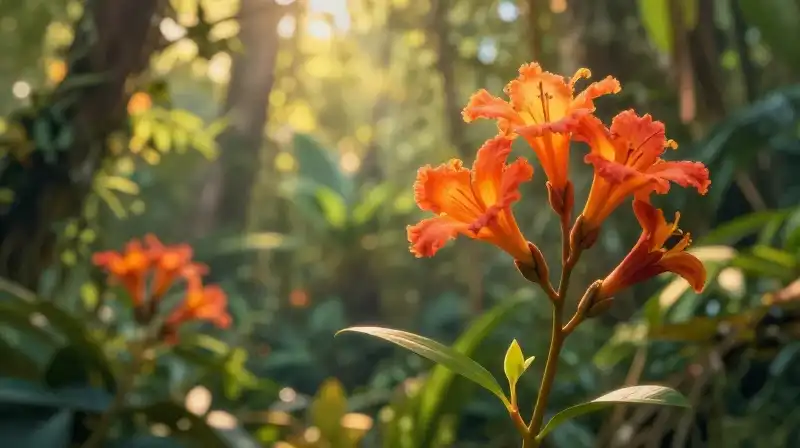 As the temperatures warm and daylight increases, the Rio Dipladenia will resume active growth in the spring. This is the time to transition the plant’s focus from survival to flourishing. The new growth that appears after the winter dormancy period should be monitored closely. While many plants come pre-fertilized from the time of purchase, you will need to take over the feeding regimen once the May cycle begins. Providing consistent, yet measured, feeding ensures that the new spring and summer foliage remains vibrant and healthy.
Key Maintenance and Purchasing Tips
 When selecting Rio Dipladenias, be aware that they can vary in condition. Since many plants are sold pre-fertilized, inspect the plant upon purchase to ensure its existing nutrient levels are adequate for your environment. * **Foliage Loss:** Accept that minor foliage loss is normal during the winter. Do not panic; this is a sign the plant is successfully entering dormancy. * **Light Requirements:** Consistent, bright light is crucial year-round. If your indoor placement is too far from the window, supplement with a grow light to ensure continuous, optimal photosynthesis.
Practical Summary for Success
 Successful long-term care for Rio Dipladenias hinges on recognizing the difference between a winter rest and a cold snap. By protecting the plant indoors below 45°F and strictly adhering to the dormant period (no feeding, minimal watering), you ensure survival. When the warmth returns, resume your feeding schedule using the 18-6-12 formula in May and August to support the lush growth that follows the long winter.
Explore more: The Three Horns of Odin: Mythological Origins and Historical
Related Articles