Anthurium Dorayaki: Complete Care Guide and Growing Tips

Introduction
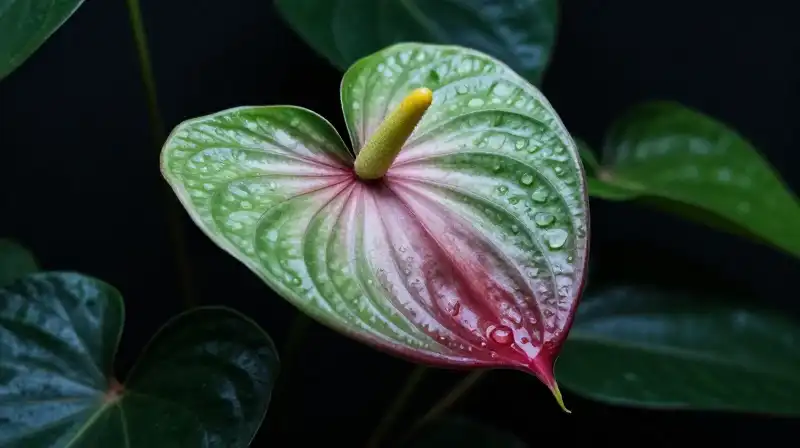
The Anthurium Dorayaki is a highly sought-after cultivar prized by collectors for its distinct appearance, characterized by thicker, more substantial foliage featuring beautiful, pronounced silver veining. Unlike generic Anthuriums, which are admired for their brilliant spathes, the Dorayaki variant draws attention to its unique leaf structure and variegation. Cultivated primarily for its aesthetic appeal, this plant brings a sophisticated, tropical look to any indoor environment.
Choosing an Anthurium Dorayaki means committing to a plant with specific care requirements tailored to maintain its unique silver coloration and robust leaf structure. This guide provides the necessary protocols to ensure your plant thrives, addresses common confusion regarding similar cultivars, and outlines practical advice for successful ownership.
Anthurium Dorayaki Care Essentials
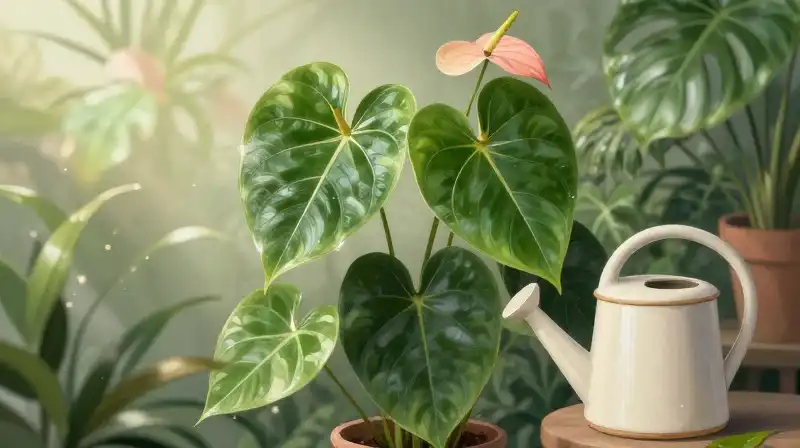
Proper care for the Dorayaki cultivar hinges on providing consistent, bright, but indirect light, and ensuring excellent drainage. Like most epiphytic Anthuriums, it requires a balance of humidity and proper moisture management.
Light and Temperature Requirements
The primary goal when growing Dorayaki is to maintain its distinctive silver variegation. Too little light will cause the variegation to fade, while too much direct sun can scorch the leaves.
- Light: Position the plant in an area receiving bright, indirect light. An east-facing window is often ideal, as it provides morning sun without the intensity of harsh afternoon rays.
- Temperature: Maintain a consistent temperature between 65°F and 85°F (18°C to 29°C). Anthuriums are sensitive to cold drafts, so keep them away from AC vents or exterior doors.
Watering and Humidity
Overwatering is the most frequent cause of decline in Anthurium plants. The soil should be allowed to dry out partially between waterings. Given its tropical nature, high humidity is crucial for preventing leaf crispiness.
To optimize the growing conditions:
- Watering: Water thoroughly until it drains from the bottom of the pot. Allow the top inch or two of soil to dry out before rewatering. If the plant is in a drier environment, check the moisture level more frequently.
- Humidity: Anthuriums flourish in environments with high humidity (above 50%). Grouping plants together, using a humidifier, or placing the pot on a pebble tray can help increase local humidity.
- Soil: Use a well-draining, airy potting mix designed for tropical plants, often containing orchid bark or perlite to mimic their natural epiphytic habitat.
Dorayaki vs. Crystallinum: Understanding the Difference
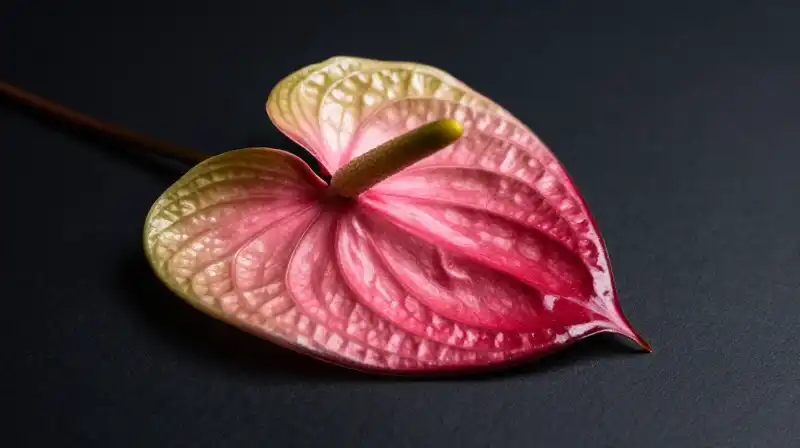
A frequent point of confusion for plant enthusiasts is differentiating the Dorayaki from its cousin, Anthurium Crystallinum. While both possess attractive foliage, they possess specific structural and visual distinctions.
| Feature | Anthurium Dorayaki | Anthurium Crystallinum |
|---|---|---|
| Leaf Structure | Typically features thicker, more robust, and slightly more rounded leaves. | Known for having more elongated, pointed, and typically more slender leaves. |
| Variegation | Characterized by prominent, beautiful silver veining running through the leaf structure. | Often displays a more crystalline or patterned variegation that may appear darker or less uniformly silver. |
| Collector Appeal | High demand due to the distinct, silvery, textural contrast. | Valued for its dramatic, often more delicate or sharply defined foliage. |
In essence, the Dorayaki is defined by its substantial structure paired with striking, clear silver marbling, while the Crystallinum relies on a more geometric or crystalline presentation of its darker foliage.
Advanced Maintenance and Troubleshooting
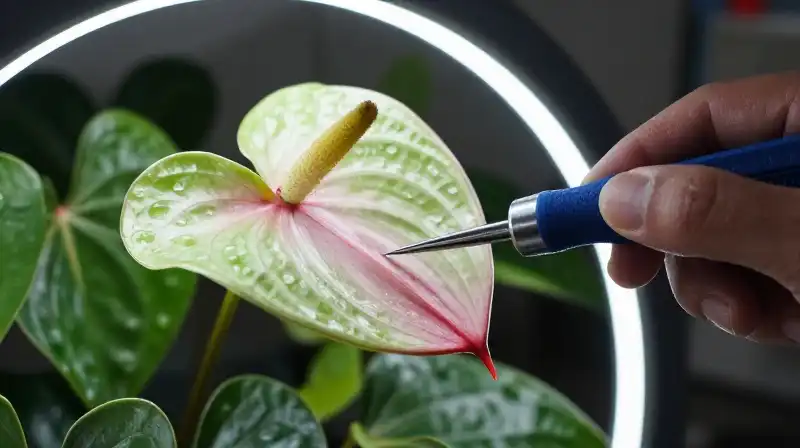
Once an Anthurium Dorayaki is established, certain maintenance techniques can enhance its health and appearance. It is important to recognize the difference between normal plant behavior and signs of distress.
Addressing Common Issues
- Yellowing Leaves: If leaves begin to turn yellow, it is most often a sign of overwatering or poor drainage. Allow the soil to dry out completely before watering again.
- Crispy Edges: This is usually a direct result of low humidity or inconsistent watering. Increasing ambient humidity is the fastest remedy.
- Leaf Drop: Sudden leaf drop can indicate a significant environmental shock—either a sudden change in temperature, severe under- or over-watering, or being moved into an unsuitable light location.
Nurturing Mature Plants
As the Anthurium Dorayaki matures, its focus shifts from initial growth to maintaining its existing foliage and ensuring healthy flowering. Regular fertilization, using a balanced liquid houseplant food diluted according to the manufacturer’s instructions, is recommended during the growing season (spring and summer). Avoid fertilizing during the dormant winter months.
Procurement and Investment Considerations
The cost of an Anthurium Dorayaki varies based on its age, size, and whether it is a cultivated variety or a rare mutation like “Dorayaki Silver.” Collectors often seek out specific forms like Anthurium dorayaki Variegated, which commands a premium.
When purchasing, evaluate the plant based on the following criteria:
- Leaf Integrity: Inspect the leaves for clean, robust growth. Look for the characteristic deep silver veining to be pronounced and evenly distributed.
- Base Health: Ensure the base of the stem is firm and white, not brown or mushy, which indicates root rot.
- Seller Reputation: Because this is a highly specialized cultivar, sourcing the plant from a reliable nursery that specializes in Anthurium varieties is highly advisable to ensure genetic stability.
Though exact costs are dictated by the market, expect prices to reflect the plant’s specific cultivar rarity and mature size, differentiating it from common Anthurium species like Anthurium King of Spades.
Critical Safety Information
As with all Anthurium species, the Anthurium Dorayaki contains calcium oxalate crystals. These crystals are an irritant and can be dangerous if ingested or handled improperly.
Warning: The sap and crushed plant parts can irritate the skin and eyes. Keep the plant out of reach of children and pets. In the event of contact, thoroughly wash the affected area with cool water and seek professional medical advice if irritation persists.
Prioritizing Success: Final Care Synthesis
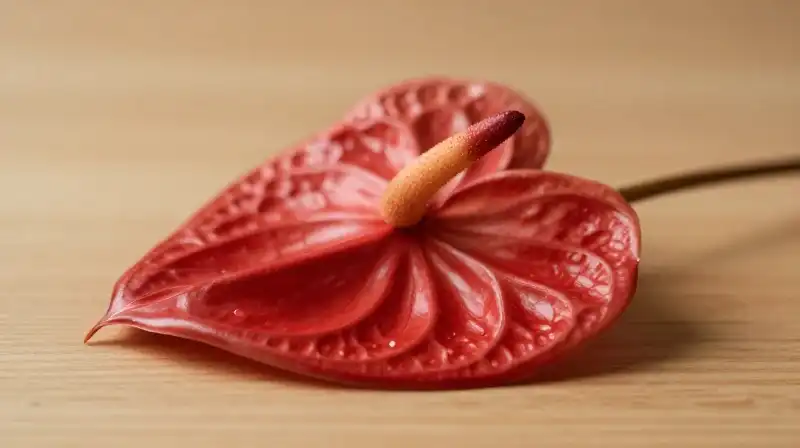
The key to successfully keeping an Anthurium Dorayaki lies in respecting its preference for controlled, stable conditions. Treat the plant not as a generic tropical foliage plant, but as a specimen that requires specific conditions to maintain its highly valued silver coloration and robust leaf structure.
Focus on bright, indirect light and consistent moisture management. Be prepared to monitor your soil closely and accept that optimal care for this particular cultivar requires attention to its specific needs, particularly when comparing it to other prized Anthurium forms like Anthurium dorayaki x crystallinum. Always prioritize safety when handling the plant due to its natural toxins.
Explore more: Triquetra Meaning: Unpacking the Symbol of the Celtic Knot T
Frequently Asked Questions
How do you care for anthurium Dorayaki plant?
Care for this plant requires providing consistent, bright, indirect light and maintaining a temperature between 65°F and 85°F. Ensure high humidity (above 50%) and allow the top inch or two of the soil to dry out before watering thoroughly.
How much does anthurium Dorayaki cost?
The cost of an Anthurium Dorayaki varies based on its age, size, and whether it is a cultivated variety or a rare mutation. Prices are dictated by the market and reflect the plants specific cultivar rarity and mature size.
What is the difference between anthurium Dorayaki and Crystallinum?
Anthurium Dorayaki is characterized by thicker, more robust, and slightly rounded leaves featuring prominent, beautiful silver veining, whereas Anthurium Crystallinum has more elongated, slender leaves displaying a more crystalline or patterned variegation. In essence, Dorayaki is defined by its substantial structure paired with clear silver marbling, while Crystallinum relies on a geometric presentation of its darker foliage.
How to Care for an Anthurium Dorayaki
Select Ideal Placement and Light
Position the plant in an area receiving bright, indirect light, such as an east-facing window. Avoid harsh afternoon sun which can scorch the leaves.
Maintain Temperature
Keep the plant in a consistent temperature range between 65°F and 85°F (18°C to 29°C), protecting it from cold drafts and AC vents.
Choose Proper Soil and Potting
Use a well-draining, airy potting mix designed for tropical plants, often incorporating orchid bark or perlite to ensure excellent drainage.
Water Correctly
Water thoroughly until it drains from the bottom of the pot, then allow the top one to two inches of soil to dry out before rewatering. Adjust frequency based on environmental dryness.
Increase Ambient Humidity
Ensure high humidity (above 50%) by grouping plants together, using a humidifier, or placing the pot on a pebble tray.
Fertilize Mature Plants
During the growing season (spring and summer), use a balanced liquid houseplant food diluted as instructed, while avoiding fertilizer during winter dormancy.
Related Articles