How to Grow Owari Satsuma: Cultivation and Care Guide

Introduction
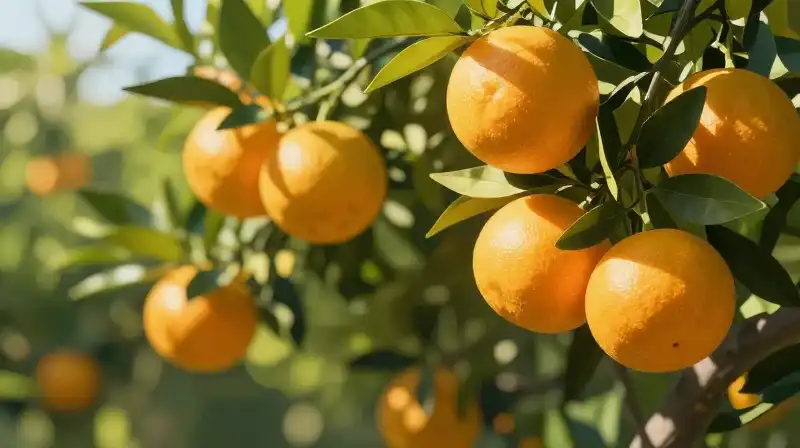
Owari Satsuma is a prized citrus variety for both its exceptionally sweet, low-seeding fruit and its remarkable adaptability. This semi-dwarf mandarin tree is highly favored by both container growers and those looking for hardy ground plants because of its impressive cold tolerance. Understanding how to cultivate this plant effectively is the first step toward enjoying a continuous source of fresh Vitamin C and superior fruit, especially through the winter months. This guide outlines the specific environmental needs, from the crucial sunlight requirements to the practical differences in managing container versus ground cultivation, to ensure your Owari Satsuma thrives.
Environmental Requirements and Hardiness
 A successful Owari Satsuma cultivation depends on meeting two primary environmental demands: ample direct sunlight and strategic temperature management. Unlike standard mandarins that might require a specific microclimate, the Owari variety is designed for resilience, yet it does have critical temperature limits.
Optimal Sunlight and Space
For maximum growth and fruit production, the Owari Satsuma needs a minimum of eight hours of direct sunlight every day. Its location should ideally be south-facing, providing intense, consistent light. When choosing a planting area:
Ground Planting: Allow for a spacious area, typically 8 to 10 feet in diameter, to accommodate the tree’s natural spread.
Container Planting: Because the Owari Satsuma is semi-dwarf, it naturally maintains a smaller profile, making containers highly effective for size management, provided the pot is deep enough for root development.
Temperature Sensitivity and Cold Tolerance
One of the standout features of the Owari Satsuma is its cold hardiness. It can generally withstand brief dips in temperature down to 12 to 15 degrees Fahrenheit, allowing it to thrive in various climates. However, it is essential to understand its absolute limitations:
- Below Freezing: Like most citrus, Owari Satsuma is highly sensitive to temperatures that reach freezing. If prolonged outdoor protection is not possible, this risk requires mitigation.
- Mitigation Options: For colder climates, outdoor plants require careful monitoring and protective measures. If freezing is an unavoidable risk, the tree can be moved indoors to a sunny location.
When growing indoors, ensure the tree is positioned away from direct heat vent streams, as rapid temperature fluctuations can stress the plant.
Deciding on Cultivation: Ground vs. Container
The decision to grow Owari Satsuma in the ground or in a container significantly affects the management and presentation of the plant.
| Feature | Ground Cultivation | Container Cultivation |
|---|---|---|
| Size Management | Can reach 10 to 15 feet tall/wide without trimming. Size control is necessary for urban or small yards. | Semi-dwarf nature helps maintain a manageable size, but requires consistent pruning to prevent root-bound limitations. |
| Root Access | Optimal, with extensive root growth in native soil. | Restricted, necessitating careful monitoring of watering and nutrient uptake. |
| Adaptability | Excellent in suitable outdoor landscaping. | Ideal for patios, balconies, or smaller sunny spaces. |
Size and Growth Limits
 Regarding common inquiries about the size of the tree, the Owari Satsuma is inherently capable of significant growth, but its characteristics allow for easy size management.
How Big Do Owari Satsuma Get?
If left to grow naturally and untrimmed, a mature Owari Mandarin tree can easily reach a height of 10 to 12 feet. However, its semi-dwarf status is leveraged by growers through two primary methods:
- Natural Limiting: In a container, the restricted root system naturally limits the height and spread.
- Pruning: Strategic pruning allows growers to maintain the tree at a desired size while still encouraging a dense canopy for optimal fruit production.
Owari vs. Satsuma and Clementine
 People often confuse or compare the Owari Satsuma to its relative, the standard Satsuma mandarin, or even the Clementine. While they all offer sweet fruit, their distinctions are in appearance and specific characteristics.
The Owari Satsuma is known for its appearance—it often resembles a clementine—and its ease of peeling, making it a favorite for home growers. While it shares similarities with standard Satsuma varieties, the Owari Satsuma often features a distinct flavor profile and a tendency to produce fruit with very few seeds, a quality sought after by connoisseurs.
When looking for ‘Owari satsuma vs clementine’ information, remember that while the appearance can be similar, the Owari Satsuma possesses a unique flavor and specific hardiness profile that differentiates it from the more commercially ubiquitous clementine varieties.
Essential Growing Practices
Beyond initial planting, consistent maintenance is required to ensure high yields and healthy fruit.
Initial Acclimation and Planting
When relocating a young Owari Satsuma (whether purchased for sale or started from seed), a two-week acclimation period is crucial. This allows the plant to adjust to the new environment. Before permanently setting the tree into its final spot, spend a week or two observing the plant’s reaction to its intended location—this will confirm it is responding positively to the light and conditions.
Water and Nutrition
Owari Satsumas are classified as drought tolerant, meaning they prefer consistent, even moisture rather than excessive, standing water. Deep watering is more effective than light, frequent sprinklings. During its active growing season, feeding the soil with a citrus-specific fertilizer will support the energy needed for heavy fruit production.
Synthesis: Maximizing Your Owari Satsuma Harvest
 Successfully growing an Owari Satsuma relies on leveraging its inherent strengths—hardiness and productivity—while managing its specific needs. Prioritize a sun-drenched, south-facing location and decide early on whether the tree will thrive in the ground (offering maximum longevity) or in a container (offering controlled size). By providing a minimum of eight hours of direct sunlight and safeguarding the tree against hard freezes, you ensure the Owari Satsuma develops its characteristic sweet flavor and abundance, offering a rich, high-quality seasonal harvest.
Frequently Asked Questions
What is the difference between Satsuma and Owari?
While the Owari Satsuma shares similarities with standard Satsuma varieties, the article notes that it typically features a distinct flavor profile and has a tendency to produce fruit with very few seeds.
How to cultivate Owari Satsuma
Provide optimal environmental conditions
Ensure the Owari Satsuma receives a minimum of eight hours of direct sunlight daily in a south-facing location.
Choose cultivation method
Decide whether to grow the plant in the ground (requiring 8 to 10 feet of space) or in a container (requiring deep pots).
Manage temperature and protection
Monitor for freezing temperatures; move the plant indoors and away from heat vents if prolonged outdoor protection is not possible.
Acclimate the plant
Allow a young Owari Satsuma a two-week acclimation period after relocation, observing its reaction to the intended location.
Water and nourish the plant
Maintain consistent, deep moisture (drought tolerant), and feed the soil with a citrus-specific fertilizer during the active growing season.
Related Articles