How to Grow and Care for Caladium Carolyn Whorton

Introduction
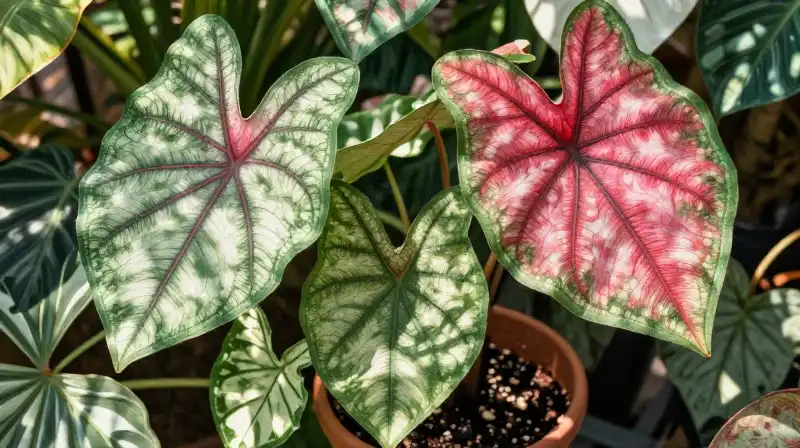
Caladium ‘Carolyn Whorton,’ often known by its affectionate name Angel Wings, is a spectacular choice for gardeners seeking a dramatic focal point. This decorative tuberous perennial is instantly recognizable by its large, heart-shaped foliage, which bursts with vivid pink coloration contrasted against striking red veining and dark green margins. While many caladium varieties are notoriously fussy regarding light, ‘Carolyn Whorton’ stands out for its relative sun tolerance. This guide provides precise, actionable instructions on how to grow and maintain this striking plant, ensuring its foliage remains vibrant and healthy whether it’s planted in your shaded border or a patio container.
Understanding Light and Optimal Placement
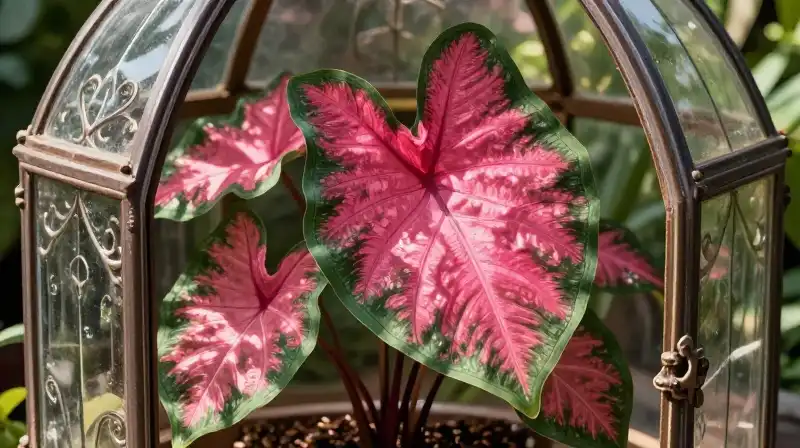
While ‘Carolyn Whorton’ possesses better sun tolerance than many species, achieving its maximum decorative effect requires careful light management. The plant performs best when situated in partial to full shade. Direct, harsh sunlight, especially during peak summer heat, can quickly scorch the delicate foliage, causing brown, crispy edges and reducing the plant’s overall appeal. Furthermore, excessive heat can inhibit the development of the stunning leaf colors.
To optimize growth, ensure the plant receives filtered light or bright shade. Bright light will intensify the pink and red pigments, while deep shade will allow the plant to thrive but may result in less vibrant coloring. For an indoor setting, place the plant near an east-facing window or several feet from a bright, shaded window to simulate natural conditions without subjecting the leaves to drying, direct rays.
Preparing Soil and Planting the Tubers
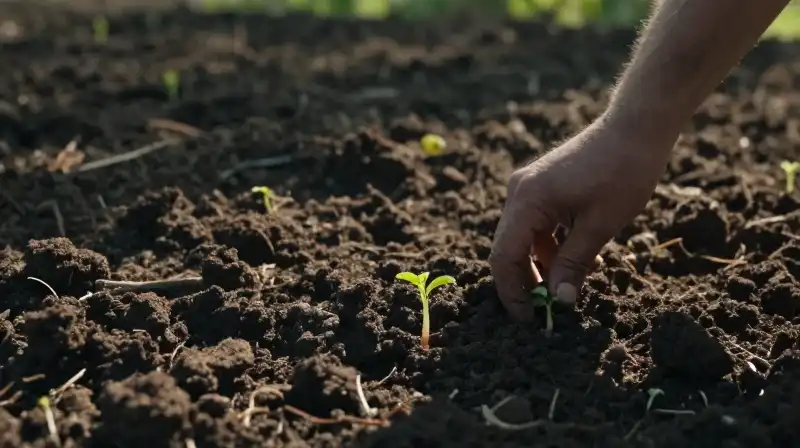
The success of planting ‘Carolyn Whorton’ hinges on preparing the right foundation. As a tuberous perennial, it requires an environment that is consistently moist but exceptionally well-drained. Heavy, compacted clay soil is detrimental to its health.
When learning how to plant Carolyn Whorton caladium, follow these steps:
- Soil Composition: Use a rich, humus-heavy potting mix or garden soil amended with plenty of organic matter (such as compost or peat moss). The mixture must allow excess water to pass through quickly.
- Site Preparation: In garden beds, amend the soil thoroughly. In containers, use a high-quality, well-draining potting mix.
- Planting Depth: Plant the tubers so that the eye (where the leaves sprout) is just below the soil surface. The rest of the tuber should be covered. Ensure the tubers are spaced adequately to allow for the full 18 to 24-inch growth potential without overcrowding.
For larger, more vigorous growth, consider planting tubers in slightly elevated areas, which improves drainage and airflow, key factors for tuber health.
Ongoing Maintenance and Growth Management
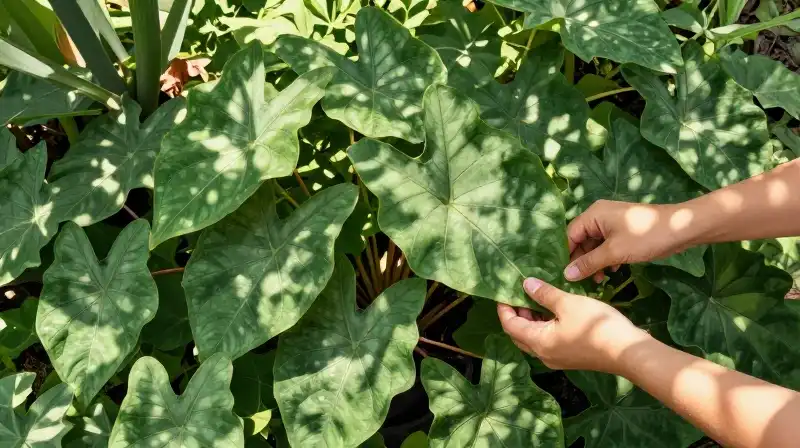
The maintenance for ‘Carolyn Whorton’ is relatively low, provided its basic needs—water and light—are met. Regular, consistent watering is crucial, especially during the growing season. The soil should remain consistently moist; never allow the tubers to dry out completely, which can lead to stress and dormancy.
Keep these points in mind regarding its size and health:
- Growth Rate: Plants typically reach heights of 18 to 24 inches, complemented by a similar width. Consistent watering and adequate nutrients will help achieve this maximum potential.
- Pest Control: While generally robust and disease-free, be vigilant against common garden nuisances. Slugs and snails are frequent pests of caladium, and manual removal or the use of organic barriers (like copper tape or crushed shells) is often necessary.
- Feeding: If the plant is not naturally receiving ample nutrients, use a balanced, slow-release fertilizer in the spring and early summer to support foliage development.
Seasonal Care and Winterizing Tubers
Managing the tubers through the colder months is essential for perennial survival. The necessary winter treatment depends entirely on your local climate (USDA Zones).
Mild Climates (Zones 9–11):
- In very warm regions, the tubers can often remain planted in the ground through mild winters, continuing to grow sporadically if conditions are right.
Colder Climates (Zones 7 and below):
- Before the first hard frost, the tubers must be dug up. This prevents the cold from damaging the starch and structure of the tuber.
- Once harvested, tubers must be stored properly. They require a cool, dry environment—ideally in a dark, ventilated area—to overwinter successfully until spring planting.
Comparing Indoor vs. Outdoor Display Needs

While ‘Carolyn Whorton’ is highly effective as an outdoor bedding plant, it translates beautifully to indoor use due to its striking visual impact. The primary difference in care lies in the environment you control:
| Feature | Outdoor Care | Indoor Care |
|---|---|---|
| Light Requirement | Partial to full shade, protected from scorching. | Bright, indirect light (East-facing windows ideal). |
| Watering | Needs thorough watering at the base, consistent moisture. | Monitor soil moisture carefully; avoid overwatering in pots. |
| Pest Management | Vigilance against slugs and snails. | Check regularly for spider mites or fungus. |
Practical Limits and Safety Considerations
Although ‘Carolyn Whorton’ presents minimal care requirements for its foliage, gardeners must be aware of certain limitations and safety issues.
Toxicity Warning: It is crucial to note that Caladium ‘Carolyn Whorton’ is toxic to pets, including dogs, cats, and horses. Ingestion of any part of the plant can be harmful, making this species unsuitable for areas where animals roam and chew.
General Limits: The growth of the plant is ultimately dictated by its light exposure. If the light levels drop significantly, the vibrant coloration will pale, and the plant may divert energy to survival rather than decorative growth. Understanding these limits allows you to manage expectations and ensure the plant thrives throughout its season.
Frequently Asked Questions
How to plant carolyn whorton caladium?
Use a rich, humus-heavy, well-draining potting mix or garden soil amended with organic matter. When planting the tubers, position them so that the eye (where the leaves sprout) is just below the soil surface, ensuring they are adequately spaced for full growth.
How to Prepare Soil and Plant Caladium 'Carolyn Whorton'
Prepare Soil Composition
Use a rich, humus-heavy potting mix or garden soil amended with plenty of organic matter (such as compost or peat moss). The mixture must allow excess water to pass through quickly.
Prepare Site
In garden beds, amend the soil thoroughly. In containers, use a high-quality, well-draining potting mix.
Determine Planting Depth
Plant the tubers so that the eye (where the leaves sprout) is just below the soil surface, allowing the rest of the tuber to be covered.
Ensure Proper Spacing
Ensure the tubers are spaced adequately to allow for the full 18 to 24-inch growth potential without overcrowding.
Related Articles