Virginia Sweetspire: A Guide to Growing Itea virginica

Introduction
The Virginia Sweetspire, scientifically known as Itea virginica, is an enduring presence in Eastern North American landscapes. Often overlooked for more flamboyant flowering shrubs, it offers persistent appeal through its reliable bloom, striking autumn foliage, and remarkable adaptability to varied soil and moisture conditions. This native shrub is a versatile choice for gardeners seeking resilience and continuous seasonal interest. Because of its ability to handle both sun and shade, and its preference for moist environments, it is frequently used in ecologically focused designs like rain gardens and erosion control areas. This guide provides a detailed look at Itea virginica, covering its ideal growing conditions, essential care practices, and how to choose the right variety for your specific landscape needs.
Overview and Identifying Virginia Sweetspire
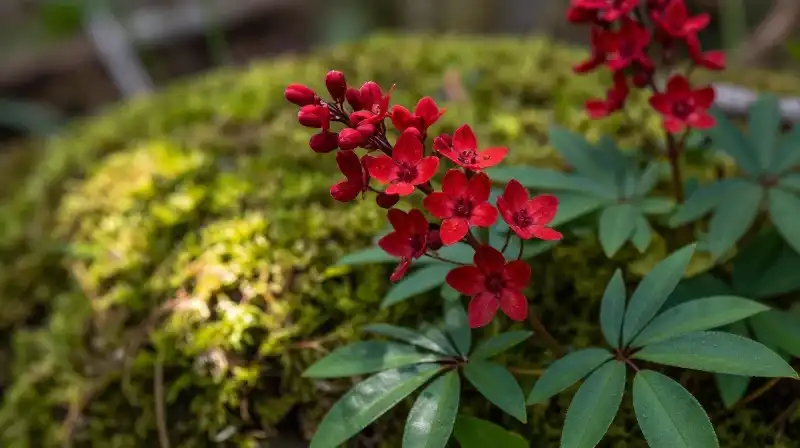
Virginia Sweetspire is a deciduous to semi-evergreen shrub belonging to the Iteaceae family. It is characterized by its graceful, generally arching growth habit and striking color transformations in the fall. The plant is native to a wide range of areas spanning New Jersey, Florida, and parts of Missouri and East Texas, illustrating its natural hardiness.
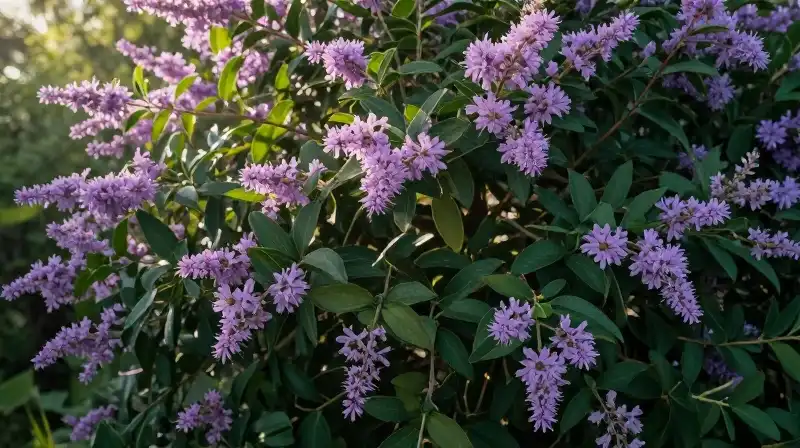
When establishing a plant, understanding its typical size and structure is crucial. In its natural state, Itea virginica can reach heights of 4 to 8 feet, displaying broad, arching branches. However, in cultivated settings, the rounded, broad-spreading growth habit often settles into a more manageable size of 3 to 5 feet. The shrub features dark green, oval leaves, and its key attraction is the production of fragrant, white, bottlebrush-like flower clusters that emerge in late spring or early summer, making it a magnet for local pollinators.
Growing Itea Sweetspire: Essential Site Selection
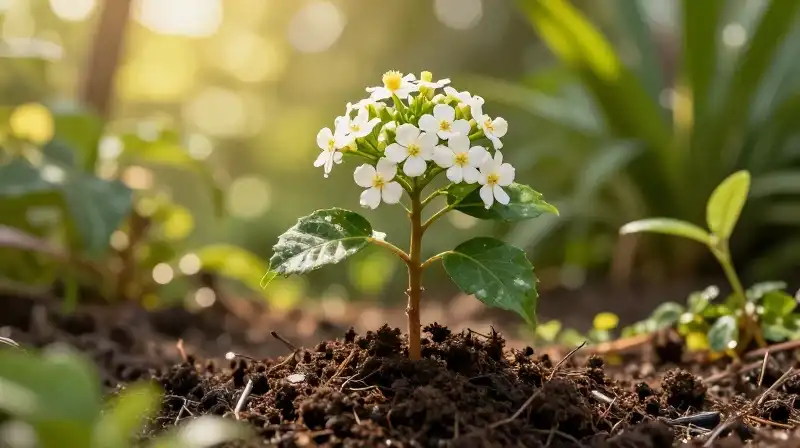
The success of a sweetspire hinges on selecting a spot that meets its specific environmental requirements, particularly concerning moisture and soil chemistry. While adaptable, its optimal performance depends on consistent resource availability.
Sun and Shade Tolerance
Unlike many shrub varieties, Itea virginica possesses an impressive range of light tolerance. It can successfully thrive in conditions from full sun to partial shade. While it performs well in both scenarios, ensuring adequate light helps maintain its dense, compact structure, especially when planting in smaller garden beds.
Soil and Moisture Requirements
Sweetspires flourish in average to moist, humus-rich soil that is slightly acidic. This preference is what makes it an ideal choice for areas prone to dampness, such as along stream banks or in bioswales. The shrub’s ability to tolerate periodic flooding makes it highly valuable in landscape designs that manage stormwater and prevent erosion.
It is important to note the risk of chlorosis (yellow leaves) if the soil becomes excessively alkaline. Maintaining a slightly acidic pH ensures the plant can effectively take up the necessary nutrients from the soil.
Care and Maintenance Practices

Itea virginica is recognized for its resilience and generally requires low maintenance. However, following specific timing rules regarding pruning and watering ensures the shrub achieves its best appearance.
Pruning Schedule
The most important maintenance guideline involves timing your cuts. Sweetspire produces flowers on the wood from the previous year. Therefore, you should conduct any necessary pruning immediately after the flowering season has completely finished. Pruning before this time will remove the buds for the following year, significantly reducing its bloom. A post-flowering trim helps maintain its neat, rounded shape and encourages bushier growth.
Water Management
While the plant thrives in moist conditions, it is important to differentiate between *preferred* moist soil and *waterlogged* soil. While it tolerates wet conditions, its ability to thrive in the wet pine barrens or along riverbanks is due to its adaptability, not necessarily a preference for standing water. Consistent watering during establishment and dry periods ensures root health, especially in heavily mulched or less porous soil.
Understanding Size, Varieties, and Potential Issues
Gardeners must distinguish between the general species and specific cultivated varieties, as well as be aware of the plant’s natural tendencies.
Varieties and Habit
While the general Itea virginica can be robust and arching, specific cultivars offer tailored aesthetics. For example, Itea virginica ‘Little Henry’ is a specifically bred variety known for maintaining a tidy, compact, and mounded stature. Unlike the broader species, ‘Little Henry’ provides a more controlled size and is highly valued for its compact appearance and reliable, pollinator-friendly blooming, performing well in both full sun and full shade conditions.
Root Suckering and Spreading Tendencies
One practical consideration for planting is its growth habit. Although generally resilient, sweetspire is known to spread aggressively through root suckering. If you are planting in a tight space or are concerned about its territorial nature, choose a compact variety or be prepared to manage its root systems periodically. This natural trait is the primary concern regarding its “invasiveness” in home landscapes.
Applications in Modern Landscaping
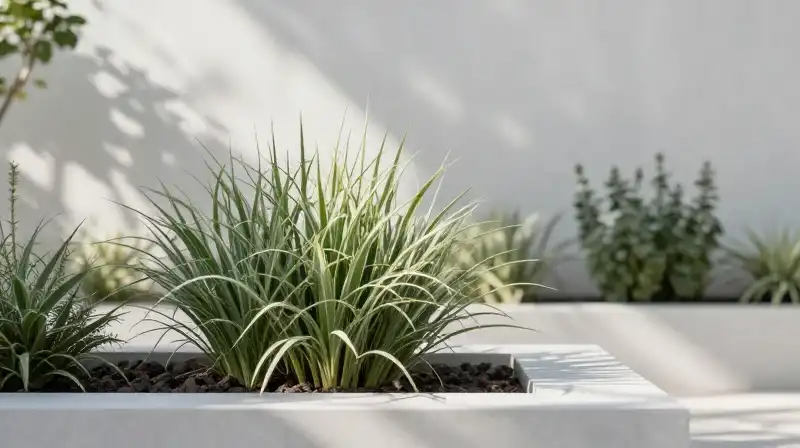
The unique combination of structure, hardiness, and ecological benefits makes Itea virginica a valuable asset for several design types. Its use goes far beyond simple border accents.
- Erosion Control and Slope Stabilization: Its strong root system, coupled with its preference for moist soil, makes it excellent for stabilizing sloped banks and preventing soil runoff.
- Rain Gardens and Stormwater Management: As a highly adaptable shrub that tolerates periodic flooding, it is a perfect choice for rain garden installations where water temporarily pools.
- Pollinator Habit: The early-season, highly fragrant white flowers provide an important food source for local insect populations, making it a core element of butterfly and pollinator gardens.
- Winter Interest: Even when deciduous, its structure and the vivid copper, orange, and gold transformation of its foliage in the autumn offer strong seasonal interest in the colder months.
- Structural Accent: Its natural arching habit provides graceful vertical and horizontal interest, functioning effectively as a semi-evergreen structural piece in residential settings.
Summary and Implementation Advice
Choosing Virginia Sweetspire as a planting material requires acknowledging its dual nature: a reliable, low-maintenance evergreen structure, and a native shrub with strong rooting tendencies. To maximize your investment, focus on achieving the right soil acidity and moisture level before planting.
If space is limited or tight control is necessary, prioritize compact cultivars like ‘Little Henry’. If you are working in a high-moisture area like a riverbank or rain garden, the species is exceptionally suited to the task. The primary decision points for the gardener are managing its spread via root suckering and ensuring that its post-flowering pruning schedule is strictly followed to guarantee a spectacular repeat performance year after year.
Explore more: The Three Horns of Odin: Mythological Origins and Historical
How to Establish and Maintain Virginia Sweetspire
Select the Growing Site
Choose a spot with adequate light (full sun to partial shade) and soil that is average to moist, humus-rich, and slightly acidic.
Prepare Soil Conditions
Ensure the soil pH is slightly acidic to prevent chlorosis and allow the plant to effectively absorb nutrients before planting.
Water Management
Maintain consistent watering during the establishment phase and dry periods to ensure root health, even though the plant is tolerant of wet conditions.
Perform Pruning
Conduct any necessary pruning immediately after the flowering season has completely finished, as trimming earlier will remove buds for the following year.
Related Articles