Red Lantana Plant Care: Growing Tips and Toxicity Warning

Introduction
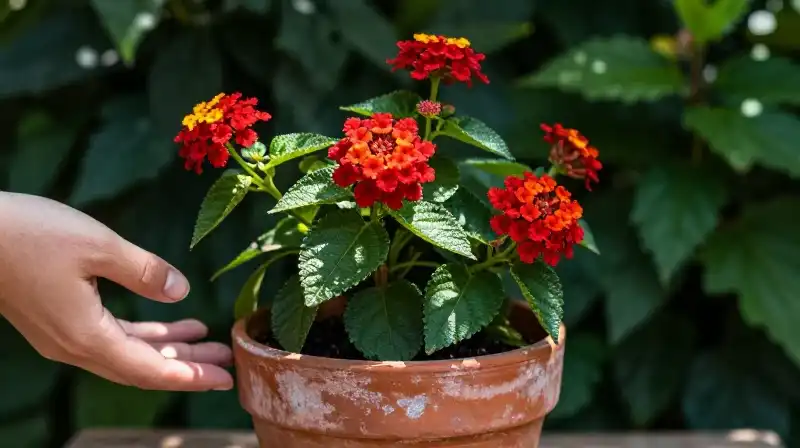
Hot Blooded™ Red Lantana is a high-vigor, sterile perennial prized by gardeners for its reliable, vivid blooms and compact, mounding habit. This specific variety is designed to handle intense sun and heat, making it a staple in landscape design for both formal borders and casual containers. To successfully grow this Red Lantana, understanding its specific requirements—particularly its intense light demands, maintenance needs, and critical safety warnings—is essential for ensuring a long-lasting, flourishing plant.
Ideal Growing Conditions for Red Lantana
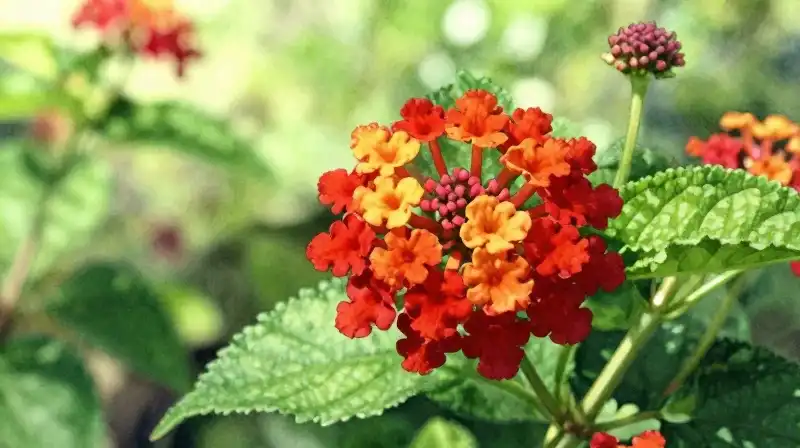
Lantana thrives on consistent, high-energy inputs. Establishing the right environment is the foundational step in maximizing its spectacular bloom cycle.
Sunlight and Climate Requirements
While some sources suggest tolerance for mostly sunny conditions, Hot Blooded™ Red Lantana performs optimally and most reliably when provided with full sun. This means requiring a minimum of eight hours of direct, daily sunlight. This heavy exposure not only encourages continuous flowering from spring through fall but also helps the plant develop the necessary structural resilience to withstand heat.
Soil and Hydration Preferences
The plant prefers average, fertile soils that are well-drained. While it can become moderately drought tolerant once it is well-established, consistent moisture is key during its primary growing phase. Water should be provided deeply, allowing the top layer of soil to dry slightly between thorough watering cycles.
Achieving the Perfect Garden Structure
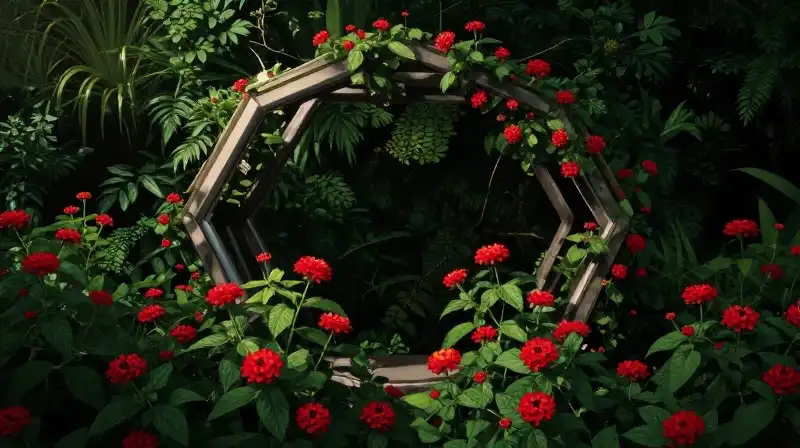
This variety develops into a defined, rounded mound, reaching a mature height of approximately 12–15 inches and a width of 18–24 inches. Because it is a sterile cultivar, its growth is often more controlled and predictable than non-sterile varieties, aiding in its suitability for containers and defined landscape beds.
Nutrient Needs and Fertilization
To maintain the plant’s high level of vigor and constant blooming, proactive feeding is necessary. Optimal fertilization should begin in the spring and continue through midsummer. Use a high-quality, slow-release, non-burning formula to provide sustained nutrition without the risk of chemical burns. This targeted approach supports the production of continuous clusters of color, which shift beautifully from golden yellow and orange to deep, brilliant red.
Pruning and Long-Term Maintenance
Effective maintenance involves two primary actions: feeding and appropriate seasonal pruning.
- Spring through Summer: Maintain its tight, mounding shape by selectively pinching back growth and ensuring consistent fertilization.
- Winter Cutback: In regions where hardiness is questionable, or to prepare the plant for dormancy, it is vital to cut the plant back close to ground level before winter.
- Protection: Where freeze risk exists, applying protective mulch around the base of the plant can offer valuable insulation.
Safety, Toxicity, and Pet Awareness
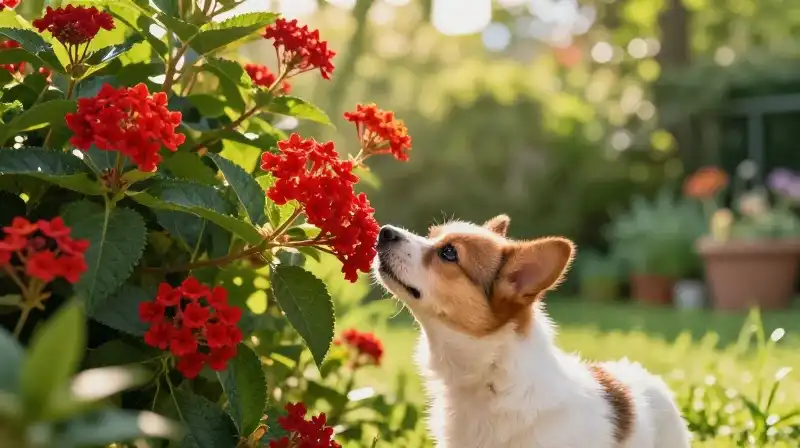
While Red Lantana is generally regarded as a resilient and beneficial addition to a garden, gardeners must prioritize safety awareness regarding its properties.
Toxicity Warning
It is crucial to understand that all parts of the Red Lantana plant are poisonous if ingested. If accidentally consumed, even small amounts, they can cause adverse effects. Therefore, this plant is strictly non-toxic to humans and animals.
Is Red Lantana Poisonous to Dogs?
Yes, Red Lantana contains substances that can be toxic if ingested by pets. Due to its poisonous nature, it should be placed out of the reach of curious dogs and other pets. To prevent accidental poisoning, place the plant securely in containers or in areas where animals cannot easily reach the foliage or flowers.
Care Decision Guide: Choosing the Right Lantana
If you are deciding between different red lantana varieties (such as Bandana Red Lantana or Dallas Red Lantana) and Hot Blooded™, consider the following factors:
| Criteria | Hot Blooded™ Red Lantana | Standard Varieties |
|---|---|---|
| Growth Habit | Sterile, compact, and highly vigorous mounding. | Often more expansive and potentially less uniform. |
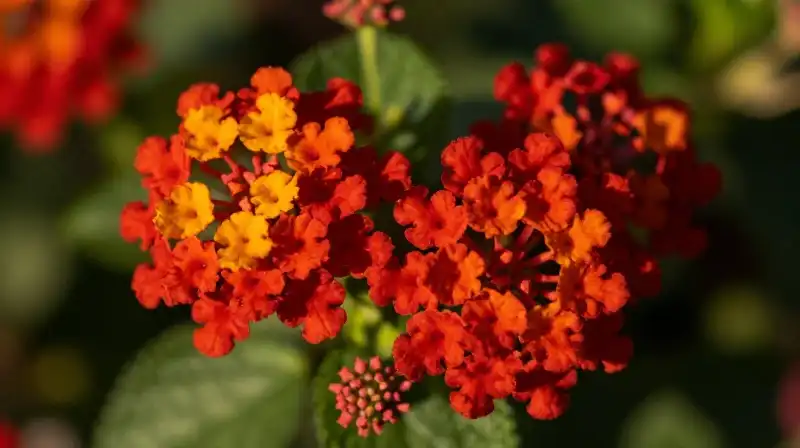
| Flower Color | Known for dramatic color transition (yellow to orange to deep red). | Typically maintains a more consistent color. |
| Hardiness | Best suited for warmer zones (9–11). | Varies widely by specific cultivar. |
Synthesis of Successful Red Lantana Cultivation
To achieve the best results with your Red Lantana plant, the strategy must balance robust care with rigorous safety protocols. Always prioritize its need for full, eight-hour sun exposure and consistent fertilization during the warm months. Remember that the plant’s high vigor makes it a prolific bloomer, but this comes with the critical requirement of protecting both human and pet health due to its inherent toxicity. By managing its environment and maintaining careful watch over its placement, you can ensure this vibrant plant flourishes as a stunning, low-maintenance feature in your landscape.
Explore more: The Three Horns of Odin: Mythological Origins and Historical
Frequently Asked Questions
Is red lantana poisonous to dogs?
Yes, Red Lantana contains substances that can be toxic if ingested by pets, including dogs. Due to its poisonous nature, it should be placed out of the reach of curious dogs and other animals.
How to Grow and Maintain Hot Blooded™ Red Lantana
Establish Ideal Growing Conditions
Ensure the plant receives a minimum of eight hours of full, direct daily sunlight and is planted in average, fertile, well-drained soil.
Manage Hydration
Provide consistent moisture during the primary growing phase by watering deeply, allowing the top layer of soil to dry slightly between watering cycles.
Fertilize Regularly
Begin fertilization in the spring and continue through midsummer using a high-quality, slow-release, non-burning formula.
Prune During the Growing Season
Maintain the plant's tight, mounding shape by selectively pinching back growth throughout the spring and summer.
Prepare for Winter
In regions with questionable hardiness, cut the plant back close to ground level before the onset of winter dormancy.
Provide Freeze Protection
Where freeze risk exists, apply protective mulch around the base of the plant to offer valuable insulation.
Ensure Pet Safety
Place the plant securely in containers or areas out of reach of dogs and other pets due to its toxic nature if ingested.
Related Articles