Rainwater Harvesting Systems: Understanding Components and Storage Tanks

Introduction
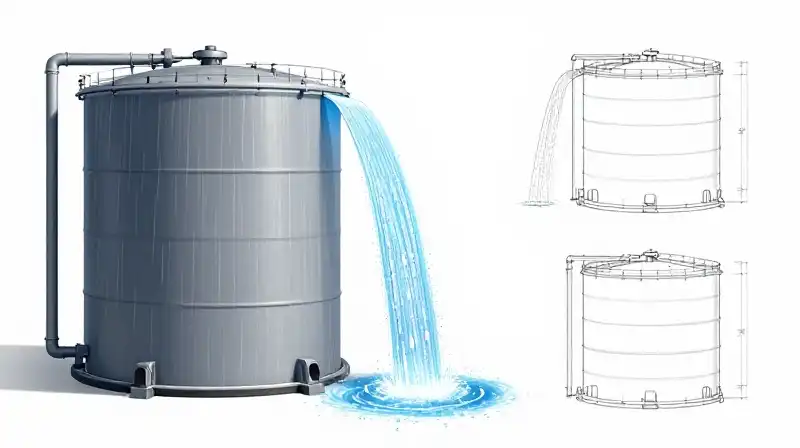
A rainwater collection system is designed to capture, store, and utilize precipitation for non-potable or, with additional treatment, potable uses. At the heart of this system is the water storage tank—a foundational component that dictates the system’s capacity, complexity, and application. While the entire infrastructure, including downspouts, gutters, and plumbing, is essential, the tank is frequently recognized as the most critical and typically the most expensive element in the entire setup. Understanding how these storage units function and how they integrate into a larger system is key to designing an effective, sustainable water solution.
Core Components of a Rainwater Collection System
 The functionality of a rainwater harvesting system relies on a sequence of connected components designed to maximize capture and ensure water quality. It is not merely a collection point but a managed process. The basic flow follows this trajectory:
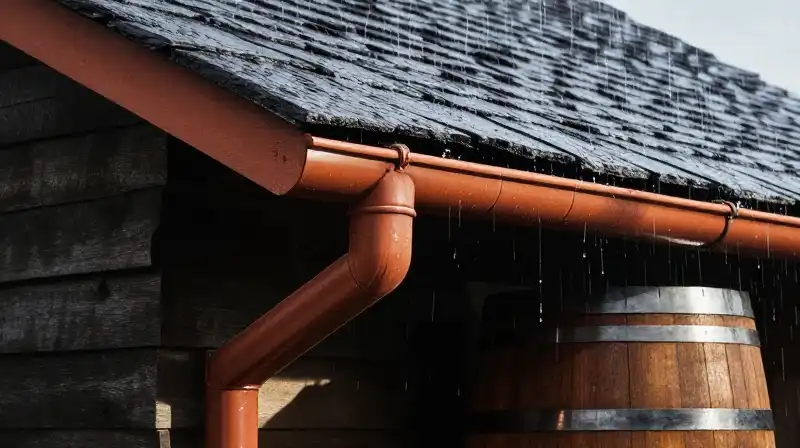
- Collection: Water is captured from rooftops via gutters and downspouts.
- Conveyance: This water is directed through a series of pipes into the storage vessel.
- Pre-treatment: Often, rudimentary filtration (such as first-flush diverters) is incorporated before the water enters the main tank to remove initial sediment and pollutants.
- Storage: The tank holds the collected volume, acting as the primary reserve.
- Dissemination: A pump and delivery system (hoses or irrigation lines) distribute the water as needed for garden or household use.
Types of Rainwater Storage Tanks
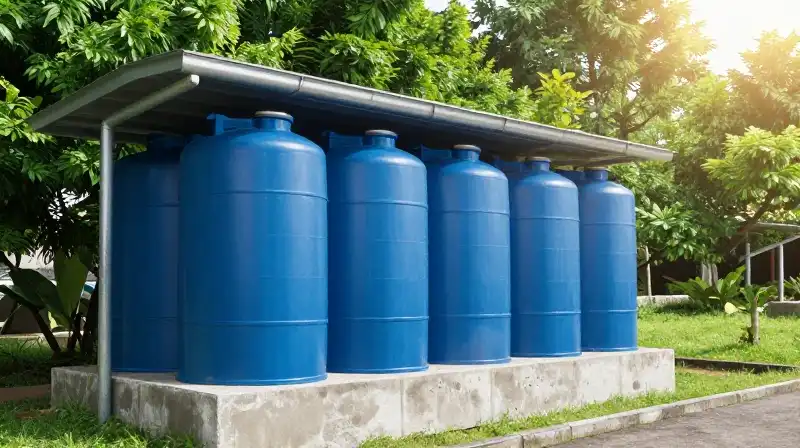 The choice of storage tank largely determines the aesthetic, technical complexity, and capacity of your system. Tanks are referred to by several terms, including rain barrels, cistern components, vessels, or reservoirs, depending on their specific design and intended use.
Above-Ground Storage (Rain Barrels)
For small-scale, residential needs, rain barrels represent the simplest form of storage.
- Features: Typically mounted near the downspout; easy to access; ideal for small decorative gardens or low-volume needs.
- Limitations: They offer limited capacity and require regular manual cleaning; they are susceptible to temperature fluctuations.
Underground Tanks and Cisterns
For larger properties or those needing discreet storage, interconnected underground tanks are utilized.
- Features: Excellent visual integration into the landscape; can manage significant volumes of rainwater; suitable for automated distribution systems.
- Limitations: Installation requires excavation and more sophisticated plumbing; accessing and maintaining the contents can be more labor-intensive.
Integrated Multi-Building Setups
Advanced systems may utilize multiple tanks or a single massive, interconnected system designed to manage rainwater runoff from several structures simultaneously, providing centralized, high-volume storage for large homes or commercial buildings.
Factors Influencing System Complexity and Sophistication
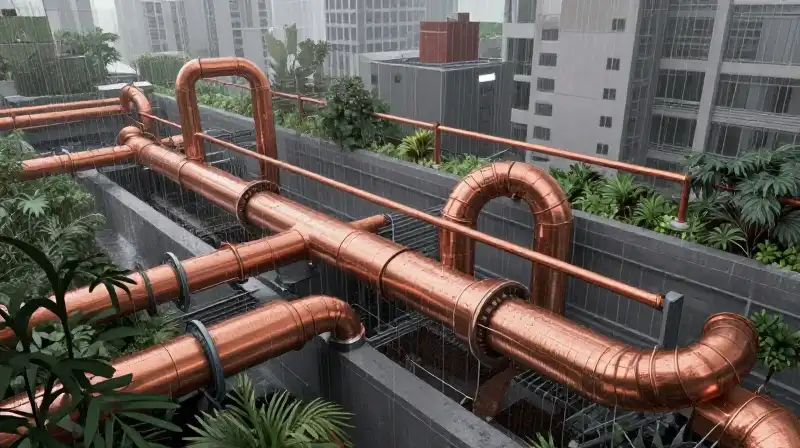 The difference between a simple collection point and a highly functional rainwater collection system lies in the technical sophistication built around the storage tank.
Basic vs. Advanced Installations
A basic installation might involve a standard rain barrel with a simple gravity feed. In contrast, an advanced setup prioritizes efficiency, safety, and management, often including the following features:
- Level Gauges: Critical for automated watering systems, these sensors track the tank’s volume to ensure consistent distribution.
- Pre-tank Filtration: Advanced filters at the intake prevent large debris from damaging pumps or clogging distribution lines.
- Pump Systems: High-capacity pumps ensure pressurized water delivery, which is often necessary for home applications.
- Sanitization Treatment: For use in drinking water (potable purposes), advanced setups incorporate UV filtration or chemical treatment to ensure the stored rainwater meets health standards.
Navigating Rainwater Storage Tank Selection
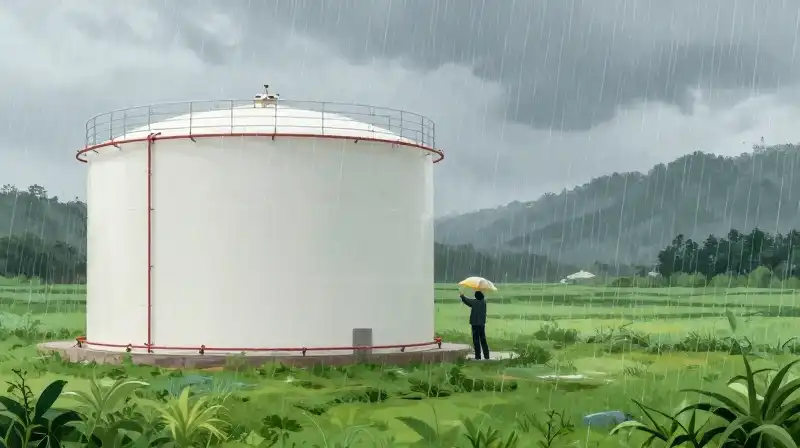 Choosing the right storage tank depends on your primary goal: volume capacity, water quality, or installation constraints.
| Scenario/Goal | Recommended Tank Type | Primary Consideration | Key Benefit |
|---|---|---|---|
| Small Garden Use (Low Volume) | Standard Rain Barrel | Ease of Installation | Affordable and simple setup. |
| High-Volume Residential Use | Underground Cistern | Aesthetic and Capacity | Large capacity, discreet installation. |
| Potable/Drinking Water | Filtered, Sanitized Cistern | Water Quality | Safe for consumption with treatment. |
The Limitations of Stored Rainwater and Safety
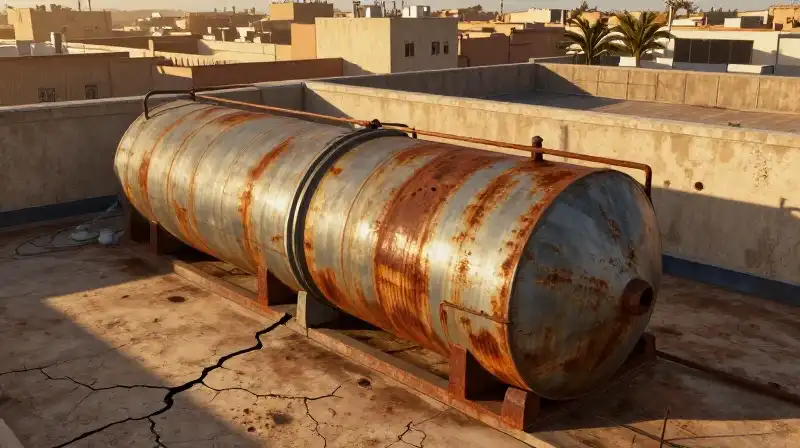 While rainwater harvesting is a sustainable practice, its safe use requires acknowledging certain limitations, particularly regarding water safety and system maintenance.
Rainwater is naturally soft and chlorine-free, but it is still susceptible to contamination from the environment and the building materials. Potential risks include airborne pollutants, bird droppings, leaves, and mosquito larvae within the tank.
- Potability: To use rainwater for drinking, the water must undergo rigorous sanitization processes (e.g., UV treatment or fine particulate filtration). Storage tanks used exclusively for irrigation or washing do not require this specialized treatment.
- Maintenance: All storage tanks must be periodically cleaned to prevent algae growth and sediment buildup, especially during periods of high rain or stagnant water.
- Material Selection: Tanks should be made of non-reactive, food-grade materials (like high-density polyethylene) if the water is intended for internal use or drinking.
Practical Synthesis: Designing Your System
When designing a rain water collection system, the tank is the constraint you must manage. Define your usage first. Do you need enough for lawn watering (low flow, medium volume) or do you require a backup supply for home needs (high flow, large volume)? This primary goal dictates the required capacity of the storage tank and subsequently dictates the necessary sophistication—from a simple barrel to a highly integrated underground cistern. By matching the function of the water (irrigation vs. potable) with the complexity and volume of the chosen tank, you ensure both efficiency and safety in your rainwater collection system.
How to Utilize a Rainwater Collection System
Collection
Capture water from rooftops using gutters and downspouts.
Conveyance
Direct the captured water through a series of pipes into the storage vessel.
Pre-treatment
Incorporate rudimentary filtration, such as first-flush diverters, before water enters the main tank to remove initial sediment and pollutants.
Storage
The tank holds the collected volume, acting as the primary reserve for the water.
Dissemination
Use a pump and delivery system, such as hoses or irrigation lines, to distribute the stored water as needed for gardening or household use.
Related Articles