Troubleshooting Monstera Leaves Curling: Causes and Solutions

Introduction
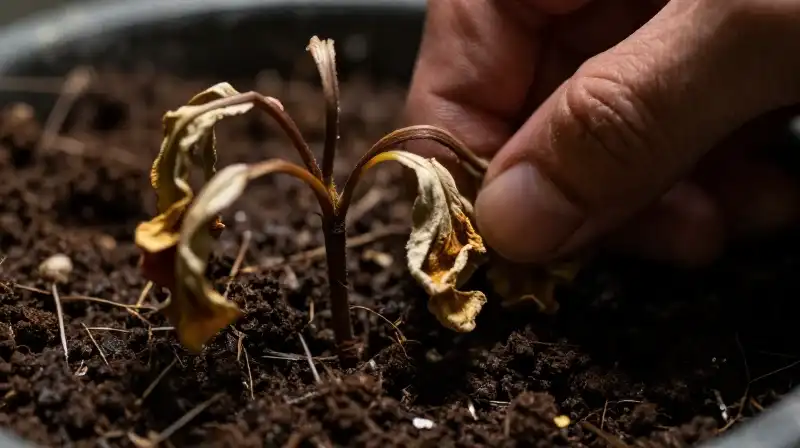
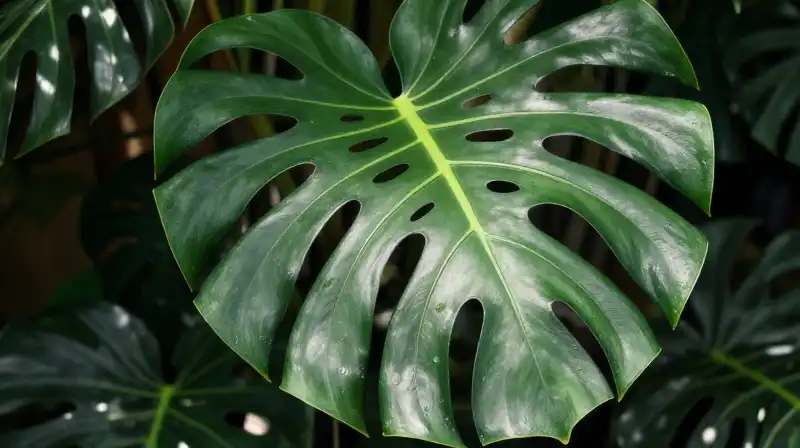
The curling of monstera leaves is a frequent concern for plant enthusiasts, often signaling that the plant is struggling to meet a specific requirement in its environment. Rather than viewing curling merely as a symptom, it acts as a diagnostic indicator, pointing toward an imbalance—be it hydration, light exposure, humidity, or nutrient levels. Addressing monstera leaves curling requires a systematic approach to identify the root cause, as the solution for underwatering is vastly different from the solution for a nutrient deficiency or pest infestation. This guide provides a comprehensive framework for diagnosing and resolving common leaf curling issues, helping you move beyond simple guesswork to pinpoint the exact needs of your tropical plant.
Decoding the Curl: Identifying the Root Cause
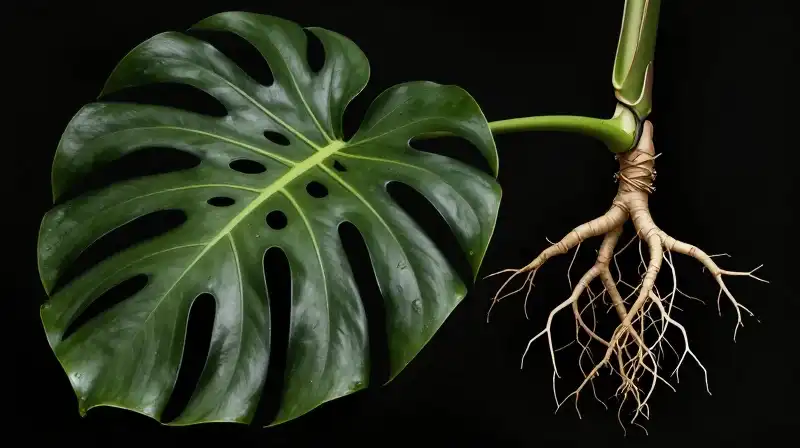 Before applying any treatment, the first step is observation. The direction and texture of the curling, combined with the condition of the rest of the foliage, provide critical clues to the underlying stress. Understanding these patterns allows you to narrow down potential issues.
Inward vs. Downward Curling
The direction the leaf curls often dictates the environmental stress.
- Curling Inward (Cupping): This is frequently a defense mechanism, indicating the plant is conserving moisture or coping with insufficient atmospheric humidity. It is a common sign of low humidity or sometimes mild underwatering.
- Curling Downward (Drooping): While sometimes associated with light damage, a significant downward curl, especially if coupled with a limp appearance, often points to severe dehydration or potentially compromised root function (root rot).
Observing Related Leaf Symptoms
Look beyond the curl itself. Other associated symptoms pinpoint the precise problem:
- Brown, Crispy Edges: Suggest immediate issues with dry air (low humidity) or insufficient water, pointing to environmental or hydration stress.
- Yellowing/Mushiness: If the curl is accompanied by yellowing and a mushy texture, this is a strong indicator of root rot caused by overwatering.
- Discolored Patches/Spots: If the curling is localized around brown spots, this strongly suggests localized light damage from excessive direct sun.
Hydration Diagnostics: Overwatering vs. Underwatering
Improper watering is arguably the most common culprit behind monstera leaves curling. Differentiating between insufficient water and toxic excess is crucial for preventing permanent damage.
Assessing Soil Moisture
To prevent both extremes, never water on a strict schedule. Always perform the “two-inch rule” check: insert your finger two inches below the surface of the soil.
- Underwatering: If the soil feels completely dry at this depth, the plant is thirsty. It will often show symptoms like stiff, curled, or slightly drooping leaves.
- Overwatering (Root Rot): If the soil remains consistently damp, especially if it feels soggy, the plant may be drowning. This lack of oxygen leads to root rot, which causes leaves to yellow, soften, and sometimes curl as the plant struggles to absorb necessary nutrients.
The solution for overwatering is to reduce watering frequency and ensure the pot has functional drainage holes so excess water can escape.
Light and Environmental Stress Factors
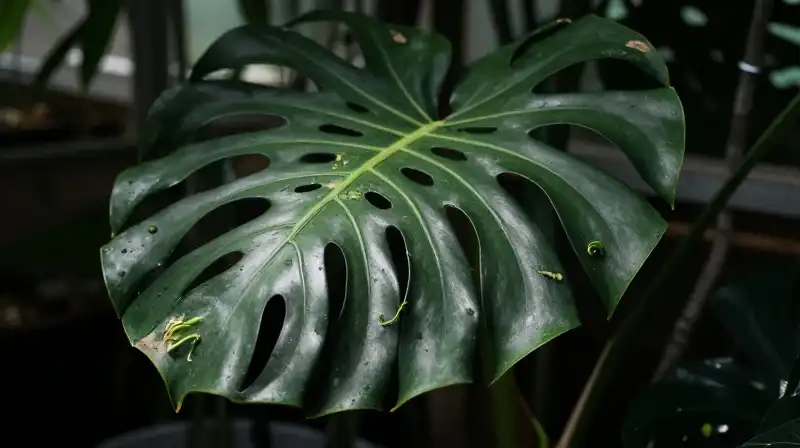 As a tropical plant, the Monstera has specific light and atmospheric needs. Mismanagement of these elements can induce leaf stress that mimics watering issues.
The Role of Light
Monstera requires bright, indirect light to thrive.
- Too Little Light: Insufficient light stunts growth and can lead to sparse, sometimes curling, leaf structure.
- Too Much Direct Light: Direct, harsh sunlight can scorch leaf tissue. This cellular damage manifests as localized curling, drooping, or the appearance of brown, dry spots on the leaf surface.
Ensure your plant receives ample brightness without sitting directly in the path of intense midday sun.
Humidity and Airflow Needs
Curling inward is often a response to low ambient humidity. Since Monsteras originate in tropical rainforest environments, dry indoor air can cause them to curl leaves to conserve moisture. To improve conditions, consider these methods:
- Using a humidifier nearby.
- Placing the pot on a pebble tray filled with water.
- Employing gentle misting sessions.
Nutrient and Root Health Maintenance
A stressed plant often shows curling because it lacks the foundational nutrients needed for healthy leaf development.
Addressing Nutrient Deficiencies
Low levels of essential macro-nutrients (NPK—Nitrogen, Phosphorus, and Potassium) contribute to stunted growth and leaf curling.
- Nitrogen: Supports general, robust growth.
- Potassium: Helps regulate water balance and strengthens overall plant structure.
- Phosphorus: Vital for root development and energy transfer.
To support robust leaf health, feed your Monstera with a balanced, water-soluble fertilizer tailored for tropical house plants according to the manufacturer’s instructions, typically during the growing season.
The Repotting Cycle
If a Monstera shows signs of decline, it may be root-bound. Once the roots are tightly circling the pot, the plant cannot efficiently take in water or nutrients. Repotting should occur approximately every one to two years to give the roots room to expand and prevent nutrient/water absorption limitations that can induce stress symptoms like leaf curling. Always ensure the new pot has excellent drainage.
Pest Management and Prevention
 Stress symptoms like leaf curling can also be the initial outward signs of an infestation. Regular inspection is necessary for early detection.
Identifying Common Pests
Look for signs of subtle infestations such as:
- Tiny white webs or specs (Spider Mites).
- Small, dark, erratic flying insects (Thrips).
- Small clusters of plant-sucking insects (Aphids).
If pests are present, the plant is under physiological stress, which can alter leaf structure.
Effective Treatment Protocols
Immediate, targeted intervention is key. Use non-toxic treatments such as neem oil, which disrupts pest life cycles. For light infestations, a gentle water rinse can often physically dislodge insects. Always apply treatments according to the product instructions, preferably in the evening to avoid leaf burn.
Practical Troubleshooting Synthesis
 Addressing monstera leaves curling is a process of elimination, not a single fix. When symptoms persist, prioritize the following diagnostic steps:
- Check Hydration First: Confirm the soil moisture two inches below the surface. If it’s bone dry, water deeply. If it’s soggy, inspect the roots for rot.
- Assess Environment: Is the plant in direct sun? If so, move it back slightly to indirect light. Is the air dry? Increase humidity.
- Evaluate Foundation: If watering and light are correct, check the nutrient levels and determine if a repotting is overdue.
- Inspect Closely: Perform a thorough visual sweep of the undersides of the leaves and stems for any sign of pests.
By systematically addressing these core variables—water, light, environment, and health—you can transform a symptom like leaf curling into a clear signal guiding you toward optimal care.
Explore more: The Three Horns of Odin: Mythological Origins and Historical
How to Troubleshoot and Resolve Monstera Leaf Curling
Check Hydration First
Confirm the soil moisture two inches below the surface. If it is bone dry, water deeply. If it is soggy, inspect the roots for rot.
Assess Environment
Check if the plant is in direct sun; if so, move it back to indirect light. Also, determine if the air is dry and increase humidity as necessary.
Evaluate Foundation
If watering and light appear correct, check the nutrient levels and determine if a repotting is overdue.
Inspect Closely
Perform a thorough visual sweep of the undersides of the leaves and stems for any sign of pests.
Related Articles