Growing Chicago Peace Roses: Care, Climate, and Blackspot Tips

Introduction
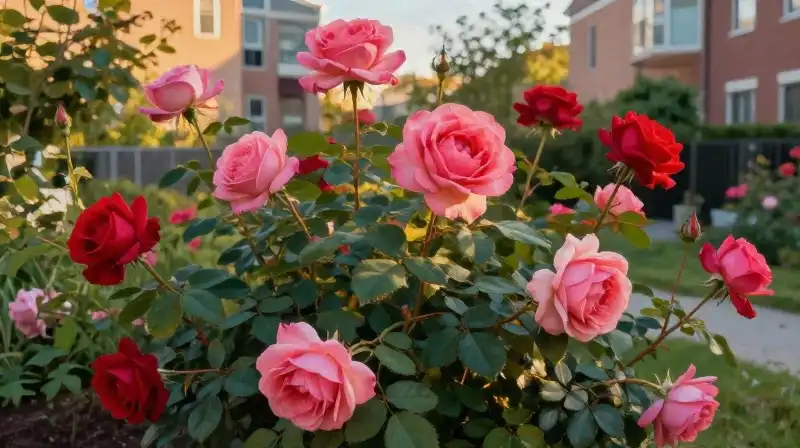
Growing the ‘Chicago Peace’ rose offers a vibrant, continuous display of large, high-centered blooms, but its vigorous nature requires specific cultivation practices. As a hybrid tea rose, the ‘Chicago Peace’ is known for its dramatic striking color—a blend of phlox-pinks, copper, and brilliant yellow—and its upright, floriferous habit. Achieving optimal performance, especially maintaining peak flower color and combating its known vulnerabilities, depends heavily on managing its sun, soil, and watering needs. Successfully cultivating this variety requires treating it not just as a shrub, but as a high-performance, sun-demanding plant with specific disease management protocols.
Choosing the Right Site and Container for Success
 The location and container selection are foundational to the health of the ‘Chicago Peace’ rose. This variety requires maximum sun to thrive and produce its characteristic vibrant colors. To ensure a healthy development of its extensive root system, careful planning is necessary, whether growing in a garden bed or a container.
Sunlight and Climate Requirements
‘Chicago Peace’ is exceptionally hardy and well-suited for hot climates, but full, direct sun exposure is non-negotiable. This rose demands at least six to eight hours of daily sunlight. It is suitable for USDA Hardiness Zones 6 through 9, though performance peaks where temperatures are consistent and bright.
Container Sizing and Material Recommendations
For permanent container planting, size dictates longevity. Because the rose grows into a substantial shrub, using undersized pots will restrict root growth and lead to stunted development. * **Minimum Size:** The container must be at least two feet wide and two feet deep to accommodate proper root establishment. * **Material Choice:** Durable materials like glazed ceramic or concrete are recommended for permanent installations due to their longevity and ability to manage heat without leaching chemicals into the soil. * **Drainage:** Robust drainage is a critical requirement. Without ample drainage, the roots are highly susceptible to rot, compromising the plant’s vitality.
Soil Preparation and Planting Techniques
Preparing the soil correctly ensures the rose has the structure needed for long-term health and strong initial growth.
Selecting the Ideal Growing Medium
Do not use heavy garden soil directly in containers, as it can become compacted. A high-quality potting mix should be used as the base, combined with compost. The compost enhances the soil’s water-holding capacity, which is vital for the ‘Chicago Peace’ during dry periods, while still maintaining essential aeration.
Avoiding Planting Mistakes
When potting ‘Chicago Peace’, avoid several common errors:
- Do not use granular or time-release fertilizers: These can cause sudden, chemical burns to the delicate young roots.
- Ensure proper structure: The potting mix should be light and well-draining, allowing roots space to expand freely.
- Establish placement: Only place the rose in a location where it will receive the full, direct sun required to maintain its health and vigor.
Care and Maintenance Schedule
 A consistent routine for watering and feeding is what separates a thriving ‘Chicago Peace’ from a struggling shrub.
Watering Strategy
While the rose needs consistent moisture to remain healthy, overwatering is as detrimental as underwatering. * **The Goal:** Maintain moist soil conditions. * **The Method:** Check the soil daily. Water thoroughly, allowing the excess to drain away completely, but avoid allowing the soil to become saturated, especially when temperatures drop.
Fertilization Routine
Fertilizing should commence in the spring, coinciding with new growth, and should be refreshed after each major bloom cycle to maintain vigor. * **Frequency:** Apply fertilizer generally every two to three weeks during the active growing season (spring through autumn). * **Winter Caution:** If growing in cooler zones, fertilizer application must be stopped six to eight weeks before the anticipated first frost to prevent root damage.
Understanding and Managing Blackspot
 As a frequently noted challenge for ‘Chicago Peace,’ blackspot is the primary fungal disease to watch out for. Prompt identification and preventative care are crucial for maintaining a lush appearance.
What is Blackspot in Chicago Peace Rose?
Blackspot is a fungal disease characterized by small, black, irregular spots appearing on the rose leaves. These spots eventually enlarge and can lead to significant leaf drop, weakening the plant and reducing its blooming potential.
Preventative and Remedial Measures
Since blackspot is often exacerbated by humidity and wet foliage, proactive care is the most effective defense.
- Improve Airflow: Ensure the plant has adequate spacing from other nearby shrubs to allow air to circulate, which helps dry foliage quickly.
- Monitor Foliage: Inspect the undersides of leaves regularly for early signs of spot formation.
- Maintain Hydration: Proper watering habits prevent overly stressed leaves, which are more susceptible to disease.
In cases of heavy infestation, a targeted fungicide, as recommended by local horticultural experts, may be necessary, but routine pruning and good air movement provide the best initial defense.
Practical Tips for Optimal Hybrid Tea Bloom
To maximize the striking appearance and overall health of your ‘Chicago Peace’ rose, consider these specific performance boosters.
Maximizing Bloom Size and Color
* Pruning: Regular pruning encourages new, vigorous growth and promotes a greater number of flushes. * Structure: The ‘Chicago Peace’ is bred to perform well in hot climates; ensure its strong, leathery foliage remains clean, as debris can harbor pests and spores. * Hydration: The rich copper and yellow hues are best expressed when the plant is consistently well-hydrated but not waterlogged.
Synthesizing Success: A Quick Guide
 To ensure your ‘Chicago Peace’ rose flourishes, prioritize these three non-negotiables:
- Sunlight: Provide a minimum of eight hours of direct, unobstructed sunlight daily.
- Root Space: Ensure the container or bed is large enough (minimum 2x2 feet) to allow the large shrub to develop a robust root system.
- Blackspot Prevention: Maintain excellent air circulation and avoid letting leaves stay wet for prolonged periods, especially during autumn.
Explore more: Triquetra Meaning: Unpacking the Symbol of the Celtic Knot T
Frequently Asked Questions
What is the disease in the Chicago Peace Rose?
The primary fungal disease noted for the Chicago Peace rose is blackspot. Blackspot is characterized by small, black, irregular spots appearing on the leaves.
How to Cultivate the Chicago Peace Rose
Select Site and Container
Choose a location that provides full, direct sun (6-8 hours daily) and use a container at least two feet wide and two feet deep to ensure proper root development.
Prepare the Growing Medium
Use a high-quality potting mix combined with compost, ensuring the soil is light and well-draining, and avoid using heavy garden soil or granular fertilizers.
Establish the Watering Routine
Water thoroughly to maintain moist soil conditions, allowing excess water to drain completely, but avoid saturation, especially when temperatures drop.
Manage Fertilization
Apply fertilizer every two to three weeks during the active growing season, ensuring application stops six to eight weeks before the anticipated first frost.
Prevent Blackspot Disease
Improve airflow by ensuring adequate spacing between plants and monitor foliage regularly, inspecting the undersides of leaves for early signs of spot formation.
Maximize Bloom and Health
Regular pruning encourages new growth, and maintain consistent, but not excessive, hydration to best express the rose's vibrant color.
Related Articles