Delphinium Belladonna Care: Growing Blue Donna and Success Tips

Introduction
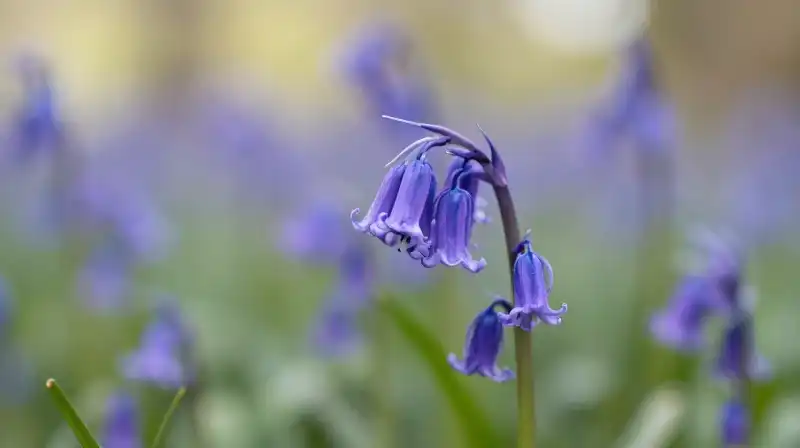
Delphinium x belladonna ‘Blue Donna’ offers gardeners brilliant, consistent spikes of dark blue flowers, making it a standout choice for formal or cottage garden designs. This variety is highly valued for its natural height, typically reaching 3 feet, and its strong, well-branched structure, which eliminates the need for staking. Success with this cultivar depends on balancing its specific environmental needs—primarily full sun and rich, amended soil—with regional climate considerations, especially regarding winter protection and planting timing.
Optimal Growing Conditions for ‘Blue Donna’
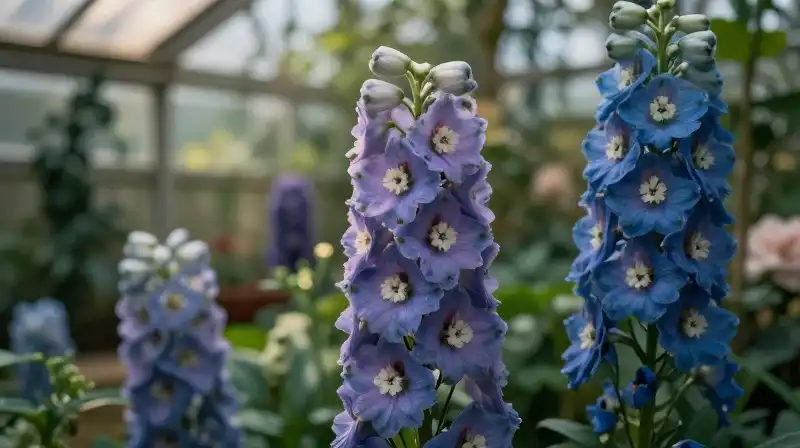 To help your Delphinium thrive, focus on providing the right foundation regarding light and soil quality. Unlike many hybrid varieties that require complex supports, ‘Blue Donna’ maintains its integrity with minimal intervention.
Sun Exposure: Delphiniums demand full sun exposure to achieve their maximum height and vibrant coloration. Placing the plants in partial shade will significantly reduce their flowering duration and overall growth vigor.
Soil and Amendments: Optimal growth is best supported by rich, fertile soil. It is essential to amend the native soil with lime, which helps ensure the correct pH level necessary for robust blooming. Ensure the soil has good drainage to prevent the delicate root systems from rotting during heavy rains.
Management and Maintenance Techniques
Once established, the care required for Delphinium ‘Blue Donna’ is remarkably low, focusing primarily on maintenance rather than structural support.
Watering and Drainage: While the plants exhibit good cold tolerance and can overwinter successfully in many climates, they still require consistent moisture during the growing season, especially during dry spells. However, always ensure water drains away from the root zone quickly.
Promoting Continuous Bloom: To achieve the desired extended blooming period—from late spring through fall—implement strategic deadheading. After the first flush of flowers fades, gently cut back the spent stems. This encourages the plant to redirect its energy into producing a second and often vigorous round of blooms.
Structural Notes: Because ‘Blue Donna’ is naturally well-branched, it requires no staking, allowing for a more natural, airy aesthetic in mixed borders.
Addressing Common Gardener Questions
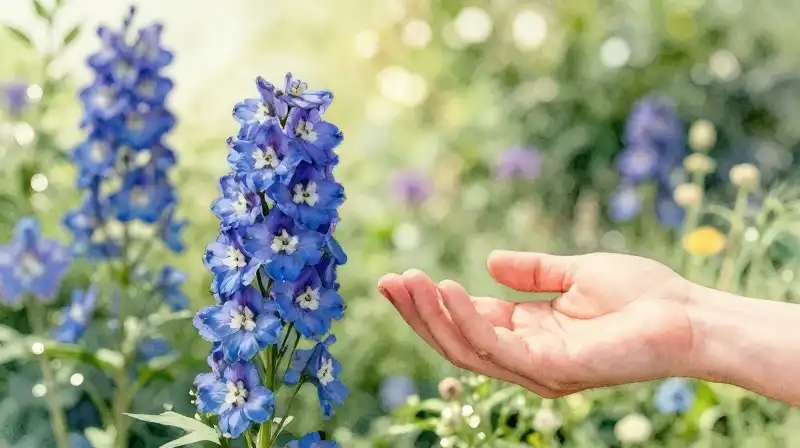 Specific queries regarding toxicity and the plant’s lifespan are common when researching Delphinium belladonna. Understanding these points can help inform your garden decisions.
Is Delphinium belladonna poisonous?
While detailed species-specific toxicological data on ‘Blue Donna’ is limited, like many species in the *Ranunculaceae* family, Delphiniums contain compounds that can be mildly toxic if ingested by pets or humans. Proper garden safety requires keeping the plants out of reach of curious children and animals.
Is Delphinium belladonna a perennial?
Yes, Delphinium belladonna is generally treated as an herbaceous perennial. It is capable of surviving cold temperatures and is known for its good cold tolerance, enabling successful overwintering in temperate regions, provided the area does not experience extreme, prolonged freezes.
Regional Planting Strategy and Climate Limits
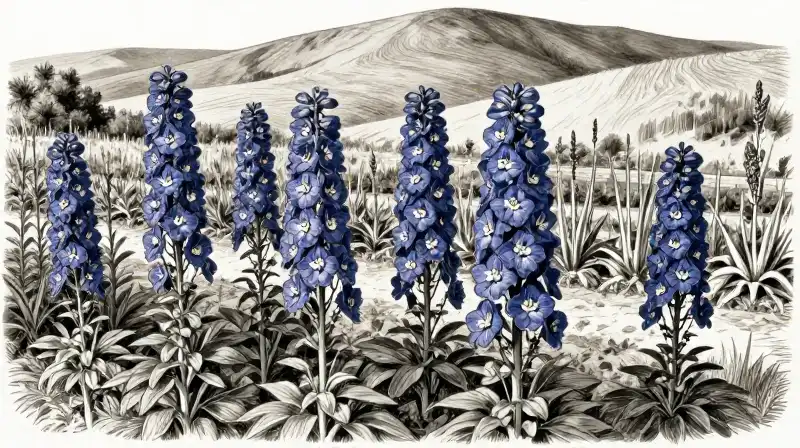 The best time and method for planting your Delphiniums are heavily dependent on your geographic location and climate.
Cold-Climate Planting: In regions with moderate winters, planting in the spring allows the plant to utilize the full growing season, benefit from early summer heat, and achieve maximum height before the first hard frost.
Warm-Climate/Southern Planting: For gardeners in southern regions, or those with milder winters, it is recommended to plant ‘Blue Donna’ in the fall. In these scenarios, the plant can be treated as a cool-season annual, enjoying the cooler fall and winter months, which can sometimes enhance flowering for the subsequent spring bloom.
Avoid Southwest Deserts: Due to the high heat and intense environmental constraints of the desert Southwest, it is strongly recommended that gardeners avoid planting this specific variety, as its typical cultivation requirements for moderate soil and climate are not met in those arid regions.
Practical Gardening Tips and Usage
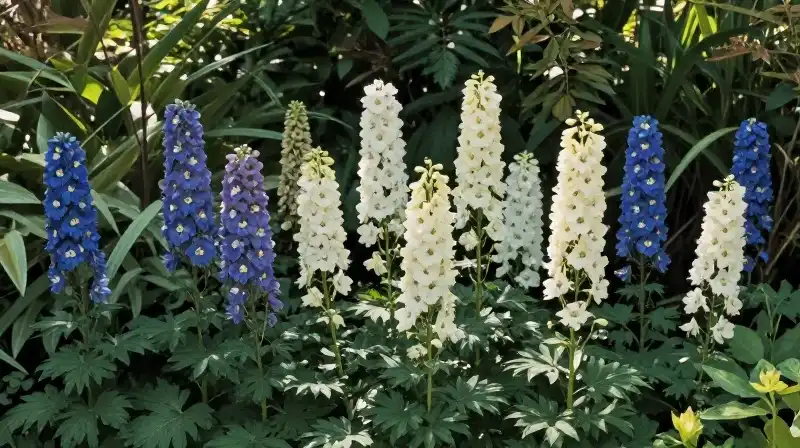 From small containers to expansive cottage gardens, ‘Blue Donna’ adapts to various settings, offering a versatile element for any landscape design.
Ideal Planting Locations:
- Cottage Gardens: Excellent as a focal point or in drifts to maximize the impact of the deep blue color.
- Mixed Borders: Functions well alongside sun-loving companions that can handle its height and requires no staking.
- Small Spaces/Containers: While naturally designed for height, it can be successfully used in appropriately sized containers for smaller urban gardens, provided the container receives the requisite full sun.
Harvesting for Filler: Delphinium spikes can be cut from the garden even when only a quarter of the flowers are open. This allows you to capture the vibrant “in-bloom” stage for floral arrangements while giving the plant time to complete its flowering cycle.
Garden Limitations: Ensure you are aware of the “all-or-nothing” nature of the required sun. If the light levels drop significantly, the plant’s potential for brilliance and height is compromised, resulting in a less impactful garden display.
Explore more: Dia de los Muertos Skull Designs: Symbols and Artistic Inspi
Frequently Asked Questions
Is belladonna delphinium poisonous?
Delphiniums contain compounds that can be mildly toxic if ingested by humans or pets, similar to many species in the Ranunculaceae family. Therefore, proper garden safety requires keeping the plants out of reach of curious children and animals.
Is delphinium belladonna a perennial?
Delphinium belladonna is generally treated as an herbaceous perennial. It has good cold tolerance, enabling successful overwintering in temperate regions, provided the area does not experience extreme, prolonged freezes.
How to Grow Delphinium x belladonna 'Blue Donna'
Prepare the soil
Ensure the area receives full sun. Amend the native soil with lime to achieve the correct pH level and ensure good drainage to prevent root rot.
Plant the Delphinium
Plant 'Blue Donna' according to your regional climate; in moderate areas, plant in spring. In southern or warm climates, plant in the fall.
Maintain consistent moisture
During the growing season, provide consistent moisture while ensuring that water drains away from the root zone quickly.
Promote continuous blooming
To extend the flowering period from late spring through fall, implement strategic deadheading: gently cut back the spent stems after the first flush of flowers fades.
Related Articles