Lithodora Grace Ward: Guide to Growing This Blue Groundcover

Introduction
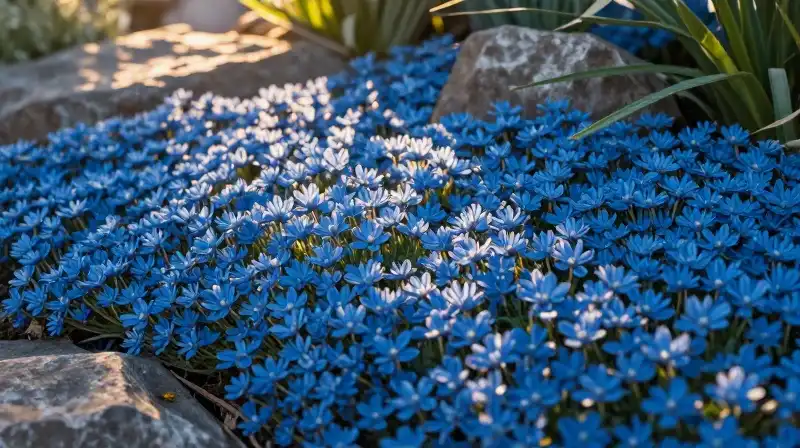
Lithodora diffusa ‘Grace Ward’ is a highly sought-after cultivar among gardeners seeking a striking, low-maintenance groundcover. This perennial evergreen is defined by its dense, vibrant mat and the appearance of intensely deep, gentian-blue flowers that emerge in late spring. Rather than acting as a standard, uniform carpet, ‘Grace Ward’ provides a dynamic element to the landscape, utilizing its soft texture and brilliant flower contrast to lead the eye along slopes, walls, and edges. If you are looking for a plant that balances elegant drama with minimal upkeep, this specific blue groundcover offers an excellent solution.
Ideal Conditions: Light, Water, and Soil Preferences

To achieve the dense growth and intense coloration characteristic of ‘Grace Ward’, its environmental requirements must be carefully considered. This perennial is particularly noted for its versatility in terms of light, making it an adaptable choice for various garden layouts.
Light Requirements: While it thrives in full sun, it is also tolerant of light shade. The blue flowers tend to be most prolific and vibrant when the plant receives direct sunlight for a significant portion of the day. If positioned in deep shade, growth will slow and flowering will diminish, but the evergreen foliage will persist.
Soil and Water: The key to preventing soil issues and ensuring robust root development is drainage. ‘Grace Ward’ requires well-drained soil, ranging from acidic to neutral pH. Standing water or consistently heavy moisture can lead to root rot and compromised foliage. Because it is a low-water plant once established, it handles periods of drought well, though consistent moisture during the initial establishment phase can aid in quicker rooting.
Cultivating Lithodora Grace Ward
Effective planting involves selecting the right location and giving the plant the space it needs to form its characteristic dense mat.
Planting and Spacing: As a vigorous groundcover, ‘Grace Ward’ needs to be given room to spread. It is typically recommended to space individual plants adequately—depending on desired density—to allow them to eventually merge into a continuous, soft tapestry. The foliage provides a consistent, deep green backdrop, making strategic placement critical for visual impact.
Pruning and Maintenance: Once established, ‘Grace Ward’ is extremely low-maintenance. There is generally no need for regular pruning. The goal is to allow the plant to flow naturally and cascade over edges, which can soften harsh architectural lines. Minor trimming of overly exuberant growth on slopes may be done to maintain accessibility, but this is not required for health.
Landscape Applications and Design Ideas

The combination of soft texture and jewel-toned blue flowers makes ‘Grace Ward’ highly versatile. It is equally effective in rock gardens, along the base of retaining walls, and in large, spill-effect containers.
The Power of Contrast: The deep green foliage of Lithodora serves as an ideal neutral anchor. To create a sophisticated display, it pairs beautifully with silver-foliaged companions (like certain Artemisia varieties) or vibrant yellow and white flowers. This contrast highlights the intense blue of the ‘Grace Ward’ blooms.
Functional Aesthetics: Its trailing nature allows it to be used on challenging terrain. Where other groundcovers might struggle on moderate slopes, ‘Grace Ward’ can spread its soft mat across the incline, providing stability while delivering a consistent, tidy display.
| Application | Design Impact | Design Criterion |
|---|---|---|
| Retaining Walls | Softens hard masonry lines | Choose spots where it can spill over the edge |
| Slopes and Terraces | Provides ground stability | Ensure sufficient drainage beneath the soil layer |
| Container Edging | Adds cascading color | Select sizes that allow for vertical growth/spill |
Managing Expectations: Persistence and Care
Addressing common questions regarding its behavior helps set realistic expectations for long-term garden success.
- Does Lithodora Grace Ward return every year? Yes. As a hardy, perennial evergreen, it is highly likely to return year after year, provided it is not subjected to extreme conditions or consistent neglect.
- Is the variety invasive? Generally, ‘Grace Ward’ is not considered invasive when planted in appropriate garden settings. However, like many vigorous spreaders, it should be planted according to the spacing recommendations to prevent it from aggressively overwhelming neighboring plants.
Comparison Note: While other blue groundcovers like *Heavenly Blue* exist, ‘Grace Ward’ often distinguishes itself through its softer, more mounding habit and specific, intensely saturated blue flower coloration, providing a more elegant and subtle texture compared to some alternatives.
Sustainable Growth and Maintenance Tips
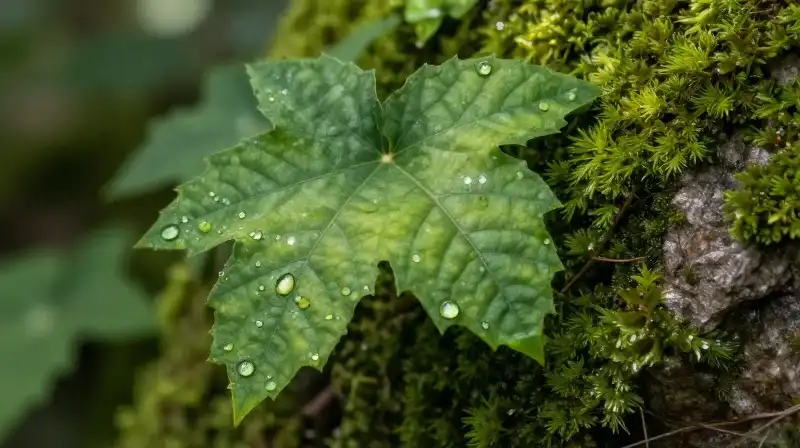
Because Lithodora Grace Ward is low-water and low-maintenance once it matures, minimizing disruption to the plant is a key aspect of its care. Focus instead on optimizing its environment to ensure peak performance.
To help the plant maintain its vibrant display and high-contrast foliage throughout its growth cycle, ensure the following criteria are met:
- Protection: Protect young plants during the initial establishment phase from extreme winds or frost, as this helps it transition into its low-water, self-sustaining phase.
- Soil Health: Avoid excessively rich or nitrogen-heavy soils, as this can encourage overly abundant, less-hardened leaf growth instead of the desired compact, blue-flowering mat.
- Consistency: Once established, the plant requires minimal intervention, allowing it to maintain its natural, tidy appearance.
By choosing ‘Grace Ward,’ gardeners can incorporate a highly decorative, resilient, and visually striking element into their landscape with confidence.
Frequently Asked Questions
Is Lithodora Grace Ward sun or shade?
Lithodora Grace Ward thrives in full sun, though it is also adaptable and tolerant of light shade. Its blue flowers are most vibrant and prolific when the plant receives direct sunlight, as growth and flowering will diminish in deep shade.
Does Grace Ward Lithodora come back every year?
Yes, Lithodora Grace Ward is a hardy, perennial evergreen that is highly likely to return year after year. This longevity is provided it is not subjected to consistent neglect or extreme conditions.
How to Cultivate and Maintain Lithodora diffusa ‘Grace Ward’
Select Optimal Location
Choose a spot that meets the light requirements, ideally receiving direct sunlight, though it is tolerant of light shade.
Prepare Soil
Ensure the growing area has well-drained soil, ranging from acidic to neutral pH, to prevent root rot.
Plant and Space
Space individual plants adequately, depending on the desired density, allowing them room to form a continuous, dense mat.
Protect Young Plants
During the initial establishment phase, protect young plants from extreme winds or frost to help them transition to a self-sustaining phase.
Monitor and Maintain
Once established, allow the plant to flow naturally. Provide minimal intervention and avoid excessively rich or nitrogen-heavy soils.
Related Articles