How to Permanently Kill Yucca Plants: Eradication Guide

Introduction
Eradicating a yucca plant is rarely a simple task; it is a project of persistent maintenance rather than a single event. These plants are characterized by an extremely deep and resilient tap root system that allows them to regrow even after initial attempts to remove them fail. Achieving permanent removal requires a strategic combination of physical effort, chemical intervention, and sustained follow-through. Understanding the biology of the yucca—specifically its capacity for regrowth from even tiny root fragments—is the first step in developing a successful eradication plan.
The process demands patience because a yucca’s root system is designed for longevity. Attempting to eliminate it with quick fixes often results in the plant merely retreating, only to re-emerge. The key to success lies in treating the entire root system with the appropriate methods and ensuring that no piece of root is left viable.
Understanding the Yucca’s Resilience
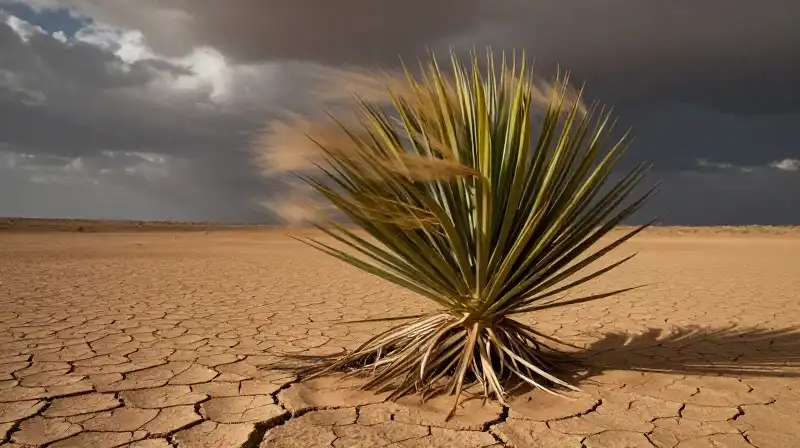
The persistence of the yucca stems from its highly developed tap root. Unlike many annual weeds, this root anchors the plant deeply and is highly efficient at storing energy, allowing it to survive harsh conditions and regrow even after the surface foliage has been destroyed. A yucca’s ability to thrive in dry, sandy soil means that the roots are exceptionally robust.
Before selecting a removal strategy, it is crucial to recognize that any successful method must address this core root structure. Whether you are attempting to mechanically extract the plant or introducing chemicals, your goal is to eliminate the energy source beneath the ground. If new growth appears, it must be immediately cut back below the soil surface to prevent it from photosynthesizing and fueling the root’s survival.
Mechanical Extraction and Digging Methods
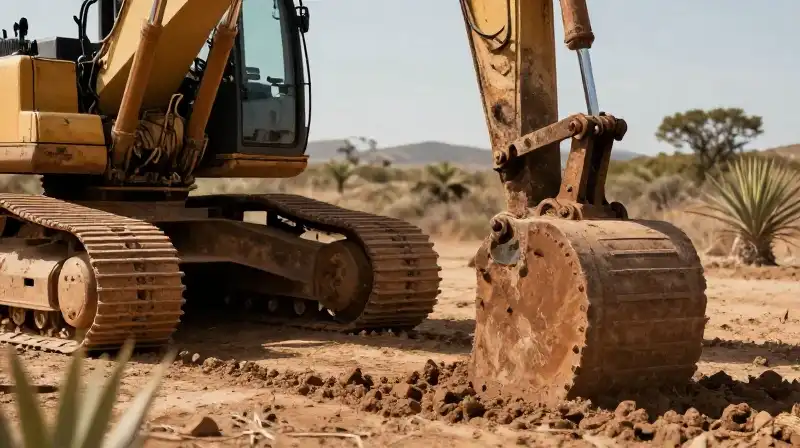
For those attempting to remove a large yucca plant mechanically, the operation requires significant labor and a specific understanding of required depth. Simply pulling a yucca by the base is rarely sufficient.
To ensure thorough removal, the soil must be excavated to a depth of approximately three feet to reach the thick base of the tap root. The entire root system must be lifted and discarded. If the digging process is incomplete, the exposed root sections retain the potential to re-establish themselves. Even a small, seemingly insignificant piece of root can perpetuate the cycle.
During the digging process, you should also consider applying an herbicide directly to the exposed root base, as this adds a chemical layer of elimination that complements the physical removal. After digging, covering the disturbed soil with black plastic or thick cardboard can act as a barrier, physically preventing opportunistic regrowth if the removal was not 100% successful.
Natural Methods for Killing Yucca Plants
If digging is impractical or the area is too large, natural methods focus on disrupting the yucca’s ability to function, primarily by denying it adequate moisture or nutrients.
One method involves encouraging root rot. This is achieved by saturating the soil around the plant with water—a technique often successful because yuccas typically prefer dry, sandy environments. Allow the soil to become water-logged and maintain this saturation, especially before the ground freezes. This method stresses the plant’s dry-adapted roots, encouraging decay.
Additionally, maintaining physical stress by immediately cutting back any new growth to a point below the soil surface prevents the new leaves from unfurling and performing photosynthesis. By interrupting the plant’s energy supply, the roots are forced to dedicate resources to survival, which can weaken them over time.
Chemical Eradication: Herbicide Applications
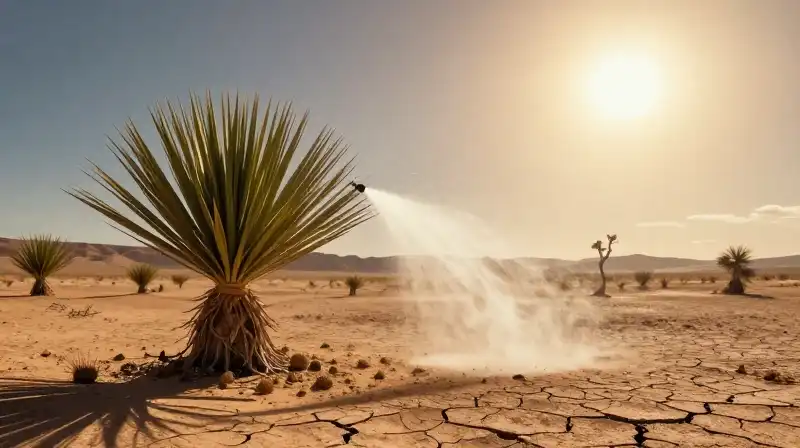
For the most direct and effective elimination of a persistent yucca, targeted herbicide application is highly recommended. To address the query of what poison kills yucca plants, certain commercial formulations are specifically designed to overcome the hardiness of these plants.
A recommended formulation for yucca removal involves “Remedy Ultra Triclopyr Herbicide.” Due to the density of the root system, simple surface spraying is insufficient; repeated application is necessary to ensure the herbicide penetrates the deep roots and destroys the persistent system.
When using this specific formulation, a concentrated mixture is required: combine 19 ounces (540 g) of the herbicide with 128 ounces (3,600 g) of diesel or vegetable oil. The application must be performed using a sprayer, focusing the mixture directly onto the base and roots. Before using any chemical solution, it is critical to strictly follow all directions provided on the herbicide label, as safety and proper dilution are paramount.
Prioritized Herbicide Options
While several herbicides are effective, the decision should depend on the plant’s current state and the desired level of intensity.
- Triclopyr-based mixtures: Ideal for aggressive, persistent eradication when root system destruction is the primary goal.
- Waterlogging: Suitable for large areas or situations where mechanical work is impossible, but the process is slow and requires continuous monitoring.
- Digging: Best for contained plants where the root structure is exposed and can be physically removed and destroyed.
Sustained Maintenance and Preventing Recurrence
Even after a successful removal, vigilance is essential, especially during the change of seasons. Yucca plants can survive dormant periods or even partially surviving remnants.
During the winter months, if a large, established yucca has not been fully removed, the entire plant should be dug out below ground level. This action ensures that its evergreen leaves—which continue to feed the dormant root system—are completely eliminated. Furthermore, the maintenance of the root zone is continuous. Any tiny section of the yucca root that remains untreated, even if seemingly dead, holds the potential to re-establish viable life if conditions are right.
The elimination of a yucca plant is not a single operation; it is a sustained effort. To achieve permanent results, you must be prepared to monitor the area, address any new sprouts immediately, and maintain the removal of the root system until the plant no longer makes any visible appearances.
Final Considerations for Permanent Eradication
Attempting to permanently kill a yucca plant requires acknowledging that the effort is significant. No single method guarantees immediate success, and persistence is the most critical tool in the eradication process.
To ensure the highest chance of success, consider these practical warnings:
- Thoroughness: When using mechanical methods, assume the entire root system must be removed; do not settle for just the visible portion.
- Timing and Repetition: If using chemical agents, repeated applications are necessary to ensure the herbicide penetrates the tough, persistent tap root.
- Professional Guidance: If the infestation is large, complex, or challenging to manage, consult local agricultural extension services. They can provide tailored advice and advice specific to your geographic conditions.
By combining targeted chemical treatment with careful mechanical and environmental disruption, you maximize the probability of eliminating these resilient plants permanently.
Explore more: The Three Horns of Odin: Mythological Origins and Historical
Frequently Asked Questions
What poison kills yucca plants?
The article recommends using targeted herbicide application, specifically mentioning Remedy Ultra Triclopyr Herbicide or Triclopyr-based mixtures. A recommended application requires combining 19 ounces of the herbicide with 128 ounces of diesel or vegetable oil.
How to Eradicate Yucca Plants
Identify and Prepare the Method
Select the appropriate eradication method—such as targeted herbicide application, mechanical digging, or waterlogging—based on the size and condition of the plant. Always prioritize safety and strictly follow all directions provided on the herbicide label before starting.
Prepare the Herbicide Solution
For targeted chemical eradication, create a concentrated mixture using 19 ounces (540 g) of a recommended herbicide (e.g., Remedy Ultra Triclopyr) combined with 128 ounces (3,600 g) of diesel or vegetable oil.
Apply the Treatment
Use a sprayer to apply the concentrated mixture, focusing the solution directly onto the base and roots of the yucca plant to ensure the deep root system is targeted.
Perform Mechanical Digging (If Applicable)
If digging is feasible, excavate the soil to a depth of approximately three feet to ensure the entire tap root system is lifted and completely discarded to prevent regrowth.
Sustain Treatment and Maintenance
Since yucca plants are highly resilient, repeat herbicide applications as necessary. Furthermore, immediately cut back any new growth that appears to a point below the soil surface to interrupt its energy supply and prevent further establishment.
Related Articles