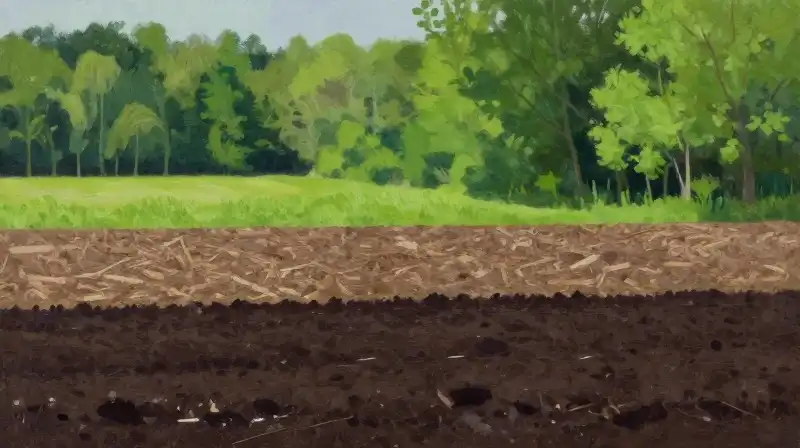
Planting Annual Ryegrass: Optimal Timing and Best Planting Techniques


Introduction
Annual ryegrass is a highly productive cool-season forage, valued for its ability to quickly establish and provide extended grazing through the colder months. Whether you are looking to extend a winter small grain mix, improve a struggling lawn, or overseed warm-season pastures, knowing exactly when and how to plant is key to its success. Successful annual ryegrass planting hinges on matching the seed to the correct soil moisture, temperature, and timing. This guide outlines the optimal strategies for planting annual ryegrass seed, ensuring you maximize its growth potential and establish a resilient cover.
Determining the Optimal Planting Window
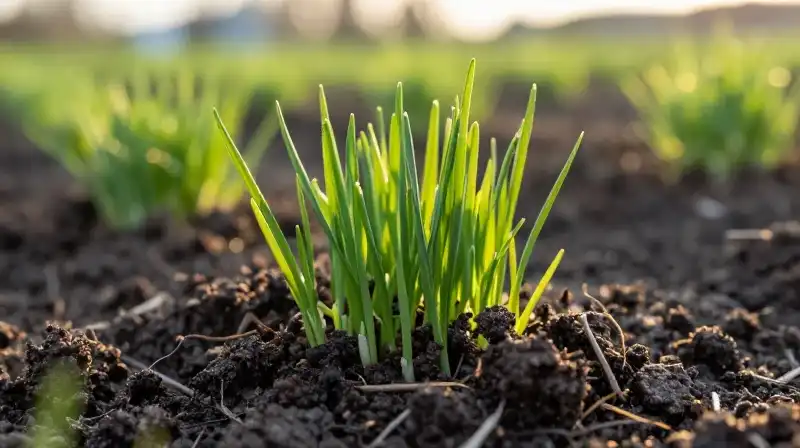
The timing of your planting decision depends heavily on regional climate and soil temperature. Annual ryegrass thrives when night temperatures remain consistently below 75°F, making fall and spring the primary planting windows for the Southern United States, from the Atlantic coast westward to the Gulf of Mexico.
When to plant depends on your goals:
- Fall Planting (September–October): This is often the most preferred method. Planting in late summer or early fall allows the grass to establish a robust root system before the first hard freezes, setting it up for sustained winter growth.
- Spring Planting (January–March): This is an excellent strategy for “green-up” in early spring or for overseeding. Planting during this time capitalizes on warming soil and moisture to ensure rapid growth before the heat of summer sets in.
Even if you are considering planting later, always evaluate the current soil temperature and moisture levels. Planting in moist, workable soil is fundamentally crucial for seed placement and germination. Furthermore, always check the remaining lifespan of your seed stock to ensure viability before planting.
Soil Preparation and Amendments for Best Germination
Annual ryegrass is adaptable, growing well in both sandy and moderately heavy soil. However, maximizing production involves specific attention to pH and physical soil structure. Optimal conditions range from well-drained to moderately heavy textures, and success is significantly aided by adequate rainfall and heavier soil moisture retention.
A critical limitation to address is soil pH. While ryegrass can grow in acidic environments, production becomes limited if the soil pH drops below 5.5. If your soil is highly acidic, incorporating lime or testing the pH beforehand is a necessary step. Additionally, to ensure a successful start, consider the following preparation steps:
- Soil Disturbance: Lightly disking or grazing existing warm-season grasses short helps manage weed competition and creates the necessary disturbance for re-seeding.
- Seedbed Improvement: Incorporating a blend of topsoil and mulch into the seedbed can dramatically improve structure and moisture retention.
- Starter Nutrients: Applying a starter fertilizer prior to planting can accelerate early root growth and green-up.
Effective Seeding Techniques and Rates
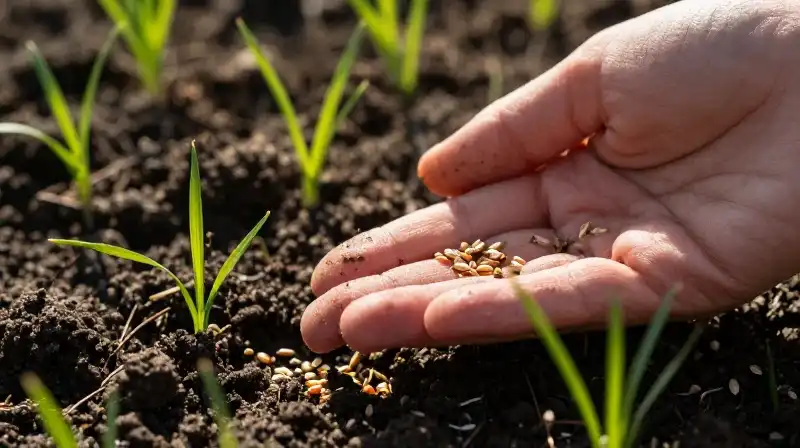
Due to its small seed size, broadcasting is the recommended method for planting annual ryegrass, especially when integrating it into small grain mixes. Achieving uniform coverage and correct depth is the foundation of successful establishment.
To maximize the yield of annual ryegrass, follow these guidelines:
- Planting Rate: Most typical rates for establishing a strong ground cover range from 20 to 30 pounds per acre. This rate may need adjustment based on whether you are seeding in a dedicated small grain mix or simply overseeding existing pasture.
- Application: Broadcast the seed uniformly across the entire area.
- Depth Control: After application, lightly rake the seed to ensure it is covered to the appropriate, shallow depth.
- Seed-to-Soil Contact: Use a rolling mechanism, such as a poly roller, to press the seed into the soil. This critical step promotes consistent contact, which is vital for rapid germination.
Nutrient Management and Environmental Considerations
Proper fertilization and water management dictate the vigor of the stand. Nitrogen is a highly effective nutrient for annual ryegrass, but timing is important, particularly when managing competitive grasses.
Consider these management nuances:
- Small Grain Mixes: If adding annual ryegrass to a small grain mixture, fertilizer can be applied proactively before the planting window.
- Overseeding Warm-Season Grasses: If you are planting ryegrass over existing warm-season grasses, nitrogen application should be delayed until after the spring frost has reduced the competition.
- Irrigation Strategy: Especially in drier regional climates, strategic watering plans are necessary to maintain consistent moisture during the early, critical establishment phase.
Additionally, when overseeding areas of existing pasture, soil disturbance can also be used to manage volunteer stand development and promote re-seeding in other patches.
Addressing Common Planting Errors and Regional Threats
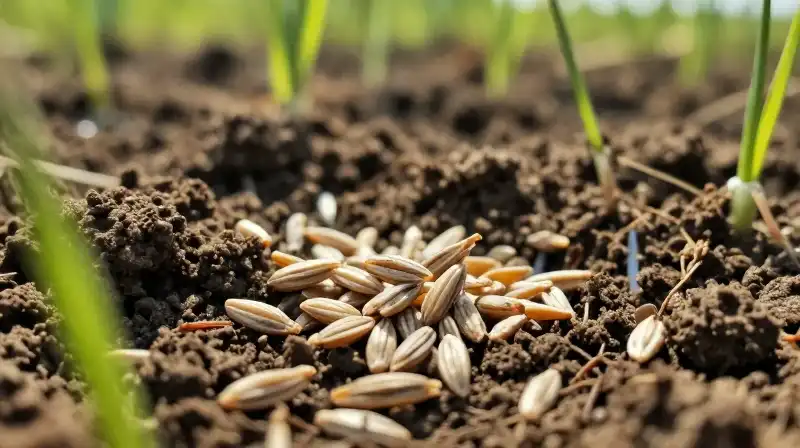
Before committing to a planting schedule, it is essential to consider potential regional threats and common mistakes. One significant threat in certain regions of the Southern United States is crown rust, a fungal disease. To mitigate this, always prioritize the use of specialized, resistant varieties of annual ryegrass when purchasing seed.
Practical warnings to avoid loss of investment include:
- Temperature Misjudgment: Avoid planting in intense heat waves where soil temperatures are too high, as this can kill the seed before it has a chance to germinate.
- Poor Seed Quality: Always check the seed packet for viability and ensure the seed is stored correctly.
- Delayed Recovery: Even if the grass is tolerant of intense grazing, allow for a crucial recovery period of three to four weeks during the active spring regrowth phase before returning livestock.
Strategic evaluation of regional climate forecasts should inform your decision regarding the optimal planting window, even if the general guidelines seem to apply.
Synthesis: Planning Your Successful Seed Installation
Successful planting of annual ryegrass is a structured process that demands foresight regarding timing, soil, and technique. The priority should be creating a high-quality seedbed in moist, workable conditions during the optimal cool-season window—typically fall or early spring. Remember that while planting rates and methods are standardized, success is amplified by managing environmental limits, such as soil pH below 5.5, and utilizing specialized varieties to guard against diseases like crown rust. By choosing resistant seed, ensuring uniform broadcast coverage followed by a proper rolling process, and tailoring your nitrogen application to avoid competing with warm-season weeds, you lay the groundwork for a productive, resilient perennial forage.
Frequently Asked Questions
Can you plant annual ryegrass in the fall?
Yes, fall is considered one of the primary planting windows for annual ryegrass in the Southern United States, with September–October being the often preferred method. Planting in the fall allows the grass to establish a strong root system before the first hard freezes.
How to Plant Annual Ryegrass
Determine Optimal Timing
Evaluate soil temperature and regional climate to determine the optimal planting window (Fall: September–October or Spring: January–March) and ensure your seed stock is viable.
Prepare the Seedbed
Lightly disk or graze existing grasses to manage weed competition and achieve the necessary soil disturbance for re-seeding.
Improve Soil Structure
Incorporate a blend of topsoil and mulch into the seedbed to improve structure and moisture retention. If soil is highly acidic, incorporate lime.
Apply Starter Nutrients
Apply a starter fertilizer prior to planting to accelerate early root growth, or apply proactive fertilizer if incorporating ryegrass into a small grain mix.
Broadcast the Seed
Using the appropriate planting rate (typically 20 to 30 pounds per acre), uniformly broadcast the seed across the entire area.
Control Depth
After application, lightly rake the seed to ensure it is covered to the appropriate, shallow depth.
Ensure Seed-to-Soil Contact
Use a rolling mechanism, such as a poly roller, to press the seed into the soil, which promotes consistent contact vital for rapid germination.
Related Articles