How to Cultivate Festiva Maxima Peonies: Care & Planting Tips

Introduction
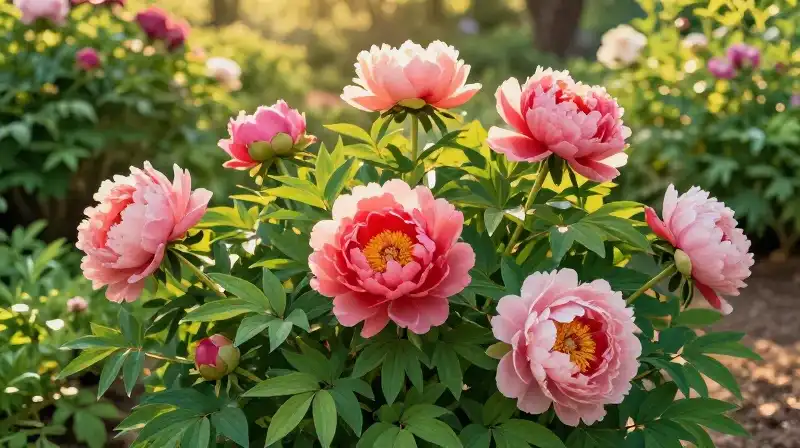
The Peony ‘Festiva Maxima’ stands out among herbaceous varieties due to its large, double, and impressively robust blooms, which deliver a striking show of late spring and early summer color. As a highly sought-after specimen plant, cultivating these peonies successfully requires understanding their specific growth cycle and environmental needs. This guide provides the practical, detailed instructions necessary to ensure your Festiva Maxima peonies thrive, producing the magnificent flowers they are known for, from planting day through to winter dormancy.
Optimizing Site Conditions for Peak Bloom
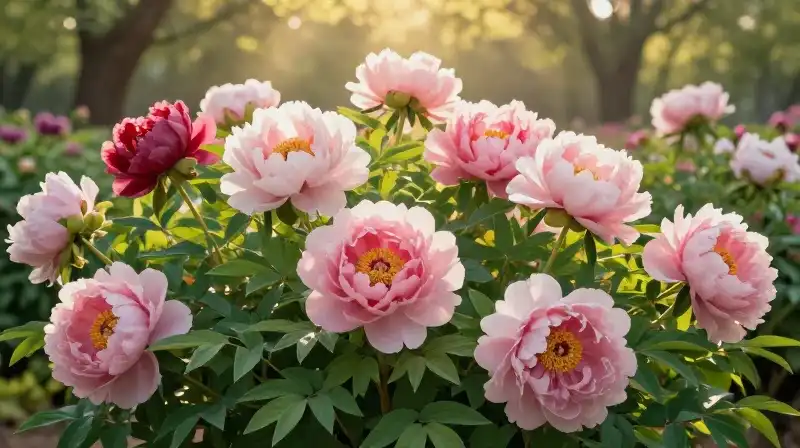
The foundation of a healthy peony is the selection and preparation of the site. ‘Festiva Maxima’ performs best where it receives ample sunlight and superior drainage, ensuring the roots have the necessary stability and moisture without being waterlogged.
Sun Exposure and Temperature
These peonies generally require full sun to achieve their maximum size and vibrant color. However, in regions experiencing extreme heat, providing some afternoon shade can be beneficial. This slight relief helps extend the longevity of the sumptuous blooms, preventing premature wilting and heat stress on the plant.
Soil Preparation and Structure
Do not plant peonies into heavy clay; they require well-drained, organic soil. Before planting, amend the existing soil heavily with compost or aged manure. This process improves the soil structure, allowing for optimal air circulation around the root system, which is essential for preventing common fungal issues.
Planting Festiva Maxima: Precision in Depth
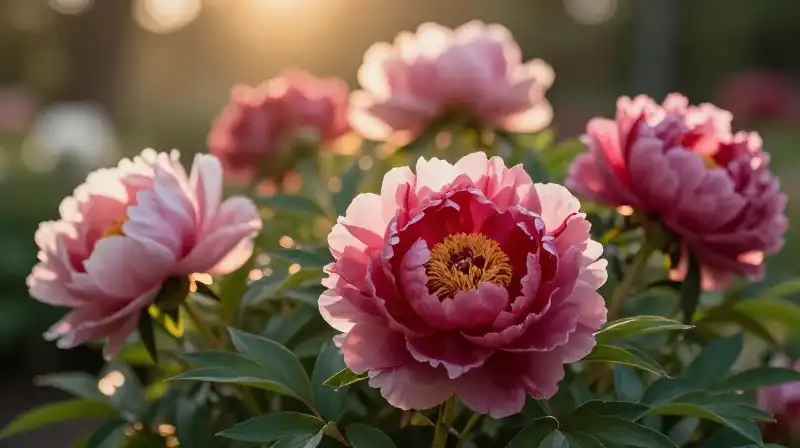
Successful planting is critical for the plant’s establishment. The technique, particularly regarding root orientation, is a key differentiator from more generic planting advice.
Root Placement and Orientation
When placing the root eyes (the swollen buds on the roots), they must always be positioned facing upward, toward the sky. Placing them downward is a common planting error that can impede energy flow and hinder the emergence of robust flower stalks.
Determining Appropriate Planting Depth
The correct depth depends on your local climate and winter severity. Generally, the root eyes should be set just below the soil surface, but the specific depth must be adjusted based on regional requirements. A cautious guideline is to place them deep enough to survive winter but shallow enough to ensure vigorous growth in the spring. In colder climates, burying them slightly deeper provides better protection from extreme cold.
Maintaining Health Throughout the Growing Season
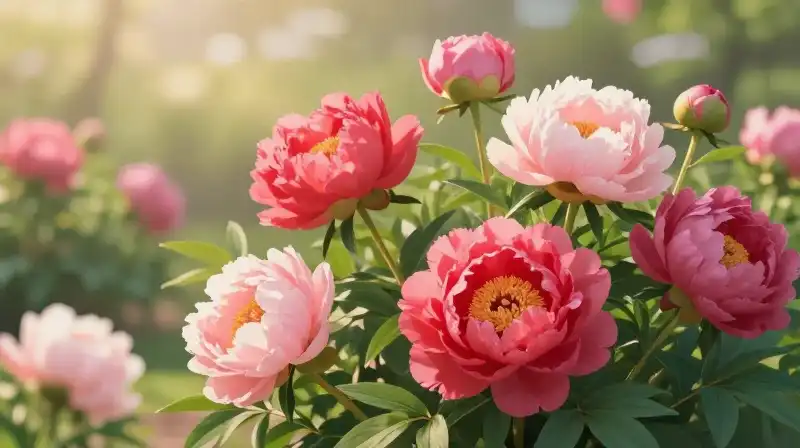
Once established, consistent and mindful care allows Festiva Maxima to focus its energy on blooming and developing a dense, healthy root system.
Water Requirements and Consistency
Throughout the active growing season, the peonies need regular, but not excessive, hydration. Aim to water about one inch of water weekly, especially during periods of dry weather or sustained high heat. Deep, infrequent watering is generally preferred over light, daily sprinkling, as it encourages the roots to grow deeper.
Structural Support and Airflow
Since ‘Festiva Maxima’ produces large, substantial blooms, staking should be established early in the spring. This prevents heavy heads from snapping and ensures that the flowers remain high above the soil line, improving visibility and protecting them from ground moisture and pests. Additionally, resist the urge to crowd plants; adequate space between individual peonies promotes better air circulation, significantly mitigating the risk of powdery mildew.
Maximizing Flowering and Companion Planting
To encourage a sustained and abundant flowering display, several advanced cultivation techniques and landscaping choices can be employed.
The Role of Deadheading
After the initial, magnificent terminal blooms have faded, deadheading—the removal of spent flowers—is highly recommended. By removing the dying flower, the plant directs its remaining energy toward developing additional side buds, resulting in a longer, more productive flowering cycle.
Garden Companions and Compatibility
Peonies are robust enough to handle various neighbors. They are compatible with classic companions such as roses and clematis, which offer a beautiful vertical contrast to the peony’s structure. For a burst of early color before the peonies emerge, grouping them near spring-flowering bulbs like crocuses is an effective strategy.
Dormancy and Post-Bloom Foliage Management
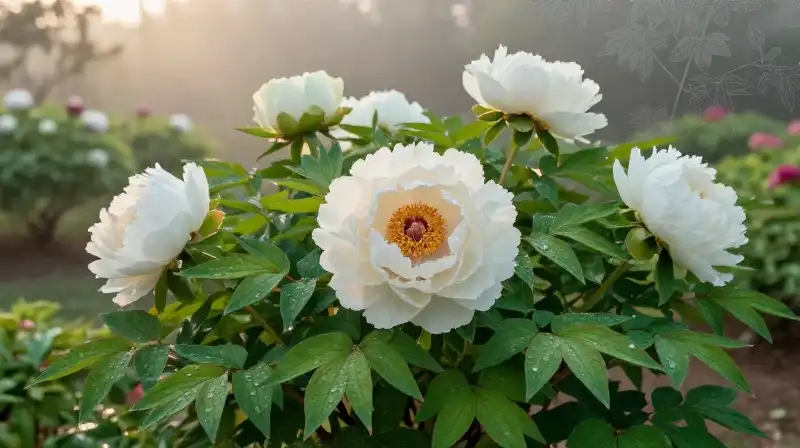
The transition into winter dormancy is a crucial time for maintaining the long-term health and health of your Festiva Maxima plants.
The Importance of Post-Frost Cutback
Once the first hard frost has occurred and all foliage has completely died back, the above-ground material must be cut and removed from the garden. This simple act is paramount for preventing pest buildup and, critically, preventing the spread of fungal diseases that can overwinter in the decaying leaf matter.
Winter Care and Soil Replenishment
For continued health, annual soil maintenance is necessary. Every fall, topdress the planting area with a layer of compost or aged manure. This provides necessary nutrients for the vigorous growth that will begin in the following spring.
Preventing Disease and Pest Infestation
While ‘Festiva Maxima’ is generally resilient, vigilance against specific threats is key to a successful garden.
Growing conditions must be managed to proactively avoid fungal diseases, especially botrytis. Maintaining excellent garden sanitation and ensuring continuous air flow around the plants are the most effective preventative measures. Since established peonies take several years to fully mature and begin heavy flowering, patience is key. Division or transplanting of the plant should only be attempted after the entire above-ground foliage has fully withered and died back in the fall, allowing the root structure to be safely separated.
Successful Cultivation: Final Success Checklist
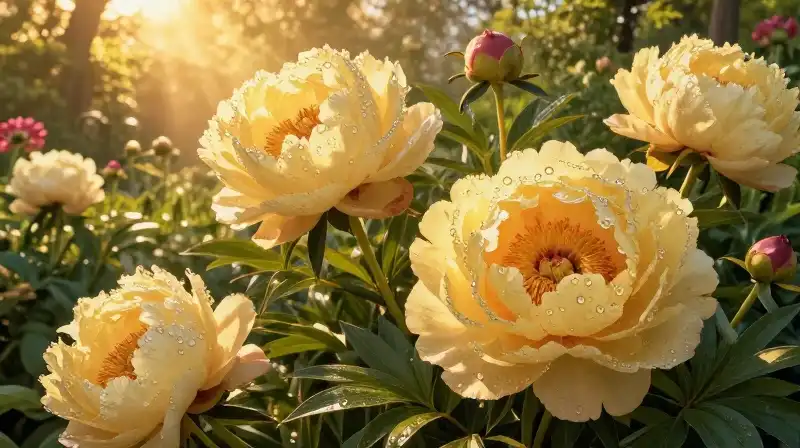
To summarize the path to success with ‘Festiva Maxima’ peonies, remember that cultivation is a process, not a single task. Your success depends on the successful integration of these elements:
- Timing: Planting in the autumn allows the roots to establish before the spring growth surge.
- Drainage: Never compromise on well-drained, organically enriched soil.
- Maintenance: Regular watering and early staking support the plant’s substantial structure.
- Sanitation: Rigorously removing dead foliage after the first hard frost is a non-negotiable step for preventing fungal infections.
By adhering to these detailed practices, you set ‘Festiva Maxima’ up for many seasons of magnificent, sumptuous blooming.
How to Cultivate Festiva Maxima Peonies
Optimize Site Conditions
Select a site that receives ample sunlight and superior drainage. Amend the existing soil heavily with compost or aged manure to improve structure.
Prepare Soil
Ensure the soil is well-drained and organic, avoiding heavy clay. Amending with compost or aged manure is essential for optimal air circulation.
Plant the Peonies
Place the root eyes facing upward, toward the sky. Set the roots just below the soil surface, adjusting depth based on regional climate and winter severity.
Maintain Hydration
Aim to water about one inch of water weekly during the active growing season. Deep, infrequent watering is preferred over light daily sprinkling.
Provide Structural Support
Establish staking early in the spring to prevent large blooms from snapping. Ensure adequate space between individual peonies for better airflow.
Encourage Continued Blooming
After initial blooms fade, perform deadheading by removing spent flowers to direct energy toward developing additional side buds.
Clean Up After Frost
Once the first hard frost occurs and foliage dies back, cut and remove the above-ground material to prevent pest buildup and fungal spread.
Replenish Soil for Winter
Every fall, topdress the planting area with a layer of compost or aged manure to provide nutrients for the following spring.
Related Articles