
Ivy Roses and Natures Lesson in Resilience


Introduction
The resilience of nature is often observed in grand landscapes, yet it is most visibly demonstrated in the quiet, consistent persistence of individual plants. Ivy roses, with their clinging tenacity and ability to thrive even in challenging environments, provide a perfect, tangible example of this natural tenacity. More than just a beautiful flowering shrub, the ivy rose functions as a living metaphor for persistence. By examining how these plants navigate struggle—from surviving harsh winters to relentlessly climbing toward the light—we can find a deep, foundational anchor for maintaining hope and perspective during the inevitable cycles of uncertainty in our own lives.
Understanding the Ivy Rose’s Nature
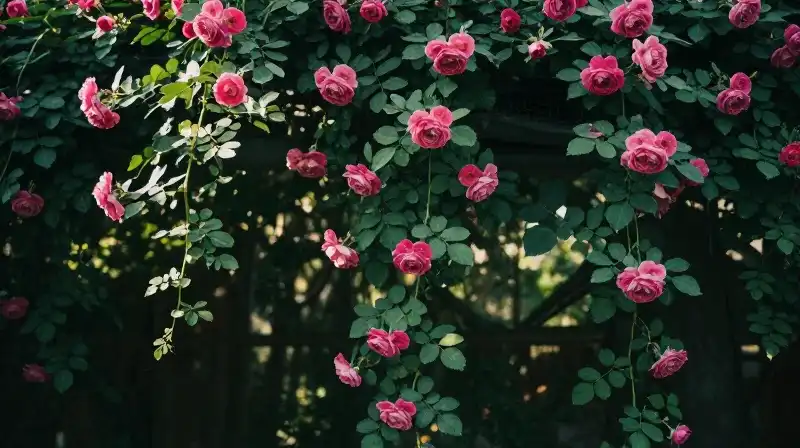
To understand the lesson of resilience, one must first appreciate the inherent qualities of the ivy rose itself. This plant is characterized by its vigorous growth habit, using twining vines to claim any available support, a behavior that mirrors the human capacity to adapt and adapt to difficult circumstances. Often referred to as ‘English Ivy Roses’ or sometimes simply nicknamed the ‘Climber’ due to its nature, the ivy rose doesn’s existence is a testament to its ability to find a path upward.
Durable Traits and Survival Mechanisms
Ivy roses possess robust traits that allow them to thrive where other, more delicate species might fail. Their dense foliage and trailing stems are part of an evolutionary strategy focused on endurance and reach. They represent stability in growth, showcasing how life finds a way to maintain its pattern even when conditions are not ideal. This inherent ability to recover, often returning stronger after a period of severe environmental stress, is the plant’s ultimate lesson in cyclical renewal.
The Metaphor of Persistence: Lessons from the Growth Cycle

The life of the ivy rose perfectly encapsulates the concept of the cyclical struggle and reward, mirroring the challenges inherent in personal growth. Like the sun setting only to rise again, a difficult period for a plant—or a person—is never permanent. The phases of the ivy rose’s life offer critical insights:
- The Clinging Phase: This represents the initial struggle or period of establishing oneself under external pressure. It is not the easiest phase, but it is the foundational step towards growth.
- The Dormancy Cycle: The period of rest or dormancy, often mistaken for failure, is actually a vital period of internal restructuring. This reminds us that periods of seemingly “darkness” or inactivity are necessary preparation for powerful renewal.
- The Flowering and Expansion: The prolific blooming symbolizes the inevitable recovery and fruition that follows a season of endurance. It reaffirms that positive outcomes are the logical result of consistent, resilient effort.
Observing this pattern reinforces the idea that tenacity is not about constant, frantic effort, but about disciplined, patient consistency.
Addressing Common Ivy Rose Challenges
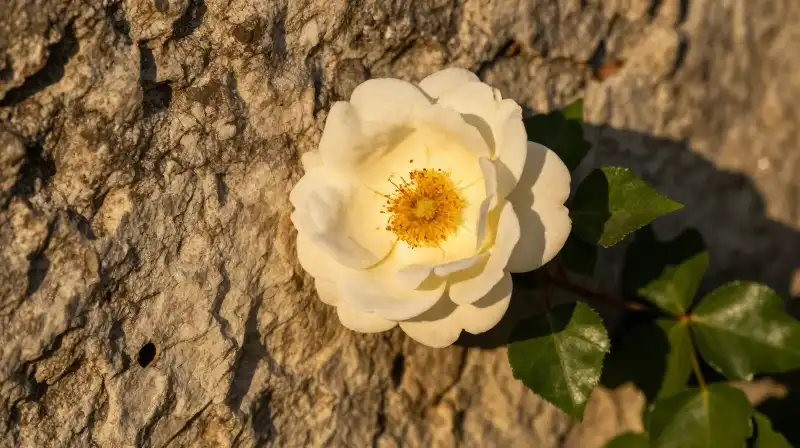
In gardening, the resilience of the ivy rose is often put to the test by environmental factors. Understanding these challenges provides a practical parallel to acknowledging real-life hurdles that require patience and consistent care. To maintain the plant’s stability and health, specific problems must be managed.
Common Plant Issues
Gardeners frequently encounter a few signature problems with ivy roses that, if unaddressed, can hinder their ability to thrive. These include:
- Pest Infestations: Such as aphids or spider mites. These represent external pressures that require gentle, consistent intervention rather than drastic, sudden removal.
- Nutrient Deficiencies: Lack of consistent care can stunt growth, mirroring how neglect or internal depletion slows our personal progress. Proper feeding is key to maintaining “robust health.”
- Drought Stress: While they are tenacious, severe, prolonged drought prevents the full expression of their natural resilience, emphasizing the need for consistent support during tough times.
Practical Care for Longevity and Growth
While the focus is on the metaphorical lesson, ensuring the plant’s health allows the metaphor to be fully realized. Proper maintenance is the mechanism by which the plant successfully executes its cycles of growth and recovery.
A high-value approach to maintaining an ivy rose involves creating a balanced environment that supports its “persistence.” This includes:
- Structural Support: Providing trellises or sturdy walls allows the vine to focus its energy on climbing and flowering rather than just sprawling aimlessly. This is like giving focus to one’s goals.
- Pruning at Key Stages: Strategic pruning after the main flush of flowers helps encourage the plant to grow denser and more vigorously, preparing it for future cycles.
- Location and Light: Ensuring the plant receives the minimum amount of light required for its variety. Just as personal growth requires the right environment, a plant needs the appropriate conditions to succeed.
Synthesizing the Lesson: Applying Natural Resilience
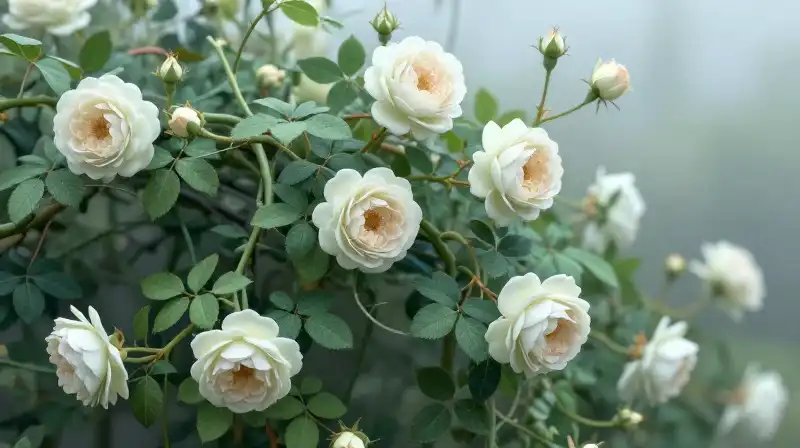
The core takeaway from observing the ivy rose is that persistence is a systemic process, not an emotional one. It is the steady unfolding of life’s inherent patterns, even when faced with opposition. The plant reminds us that recovery isn’t instantaneous; it is a return to a state of balance after a period of disruption. Viewing adversity through the lens of nature’s cycles shifts focus from the pain of the struggle to the certainty of the subsequent renewal.
To harness this perspective, focus on the consistent, small acts of “nurturing” your own life. Recognize that setbacks (the darkness) are temporary conditions, not permanent destinies. By acknowledging your own inherent capacity for consistent growth, just as the ivy rose clings to its purpose, you maintain a reliable anchor during uncertainty.
Explore more: Celtic Symbols for Brotherhood: Meanings and Interpretations
Frequently Asked Questions
What are common ivy rose problems?
Gardeners frequently encounter pest infestations, such as aphids or spider mites, common nutrient deficiencies, and severe, prolonged drought stress. These issues are environmental challenges that must be managed to keep the plant healthy.
What is a nickname for ivy rose?
Ivy roses are often referred to as ‘English Ivy Roses’ or are sometimes simply nicknamed the ‘Climber’ due to its nature.
How to Care for an Ivy Rose
Provide Structural Support
Offer trellises or sturdy walls to allow the ivy vine to climb, focusing its energy on reaching upward and flowering rather than sprawling aimlessly.
Perform Strategic Pruning
Prune the plant after the main flush of flowers. This action helps encourage the ivy to grow denser and more vigorously, preparing it for subsequent cycles of growth.
Ensure Proper Location and Light
Make certain that the plant receives the minimum amount of light required for its specific variety to thrive and maintain its natural resilience.
Related Articles