
The Elegant Versatility of Lavender Roses in Garden and Floral Design

Introduction
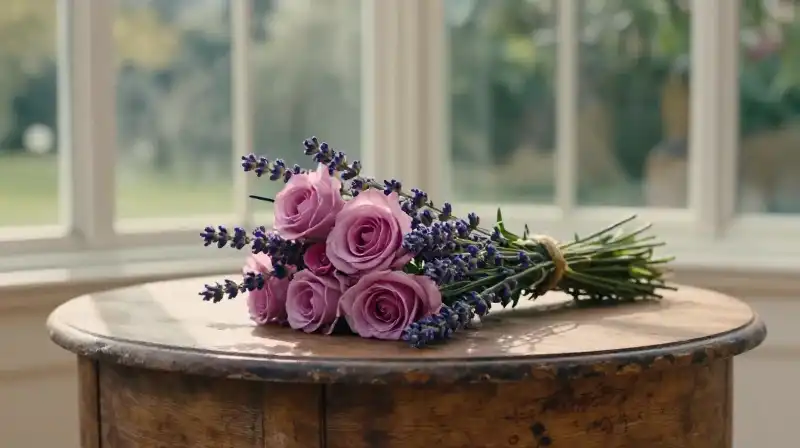
Lavender roses are distinguished by their serene palette of muted purples and pale lavenders, presenting an aesthetic that balances demure elegance with enduring charm. More than just a beautiful garden staple, these roses carry a rich tradition of symbolism—often representing positive transformation and enchantment. Their versatility allows them to transition seamlessly between robust landscape structures and delicate, highly refined floral arrangements. Understanding the diverse forms and characteristics of lavender roses is key to successfully integrating this unique hue into any garden design or floral composition.
The Aesthetic and Symbolic Appeal of Lavender Roses
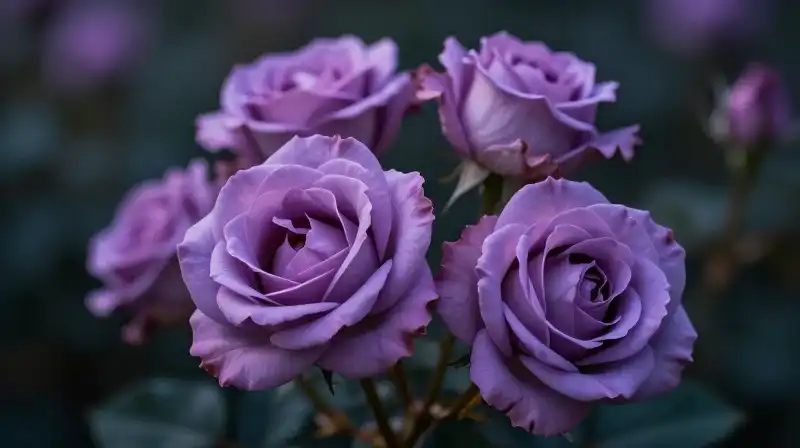
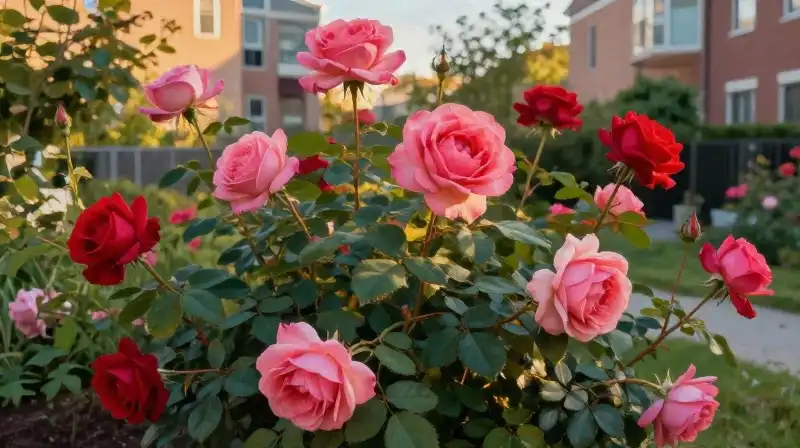
The defining feature of the lavender rose is its complex visual quality. Unlike vibrant, saturated colors, the lavender shade offers a sophisticated visual depth. The pale, dusty nature of the petals creates a striking visual contrast when paired against the deep green of established foliage, lending an air of refined maturity to a space. Furthermore, the inherent natural fragrance significantly enhances the overall sensory experience, lending a poetic quality that elevates the rose beyond mere color.
Symbolically, the lavender rose is traditionally associated with change and positive metamorphosis. This makes them a meaningful choice for celebrations related to new beginnings or transitions. In formal floral design, this symbolic weight is often channeled into creating balanced, thoughtful compositions that evoke a sense of tranquil grace.
Integrating Lavender Roses into Garden Design
The utility of lavender roses extends far beyond ornamental borders, offering specific structural benefits depending on the cultivar and placement. Garden design necessitates selecting the appropriate variety based on the desired role—whether the rose must anchor a structure, soften a hardscape, or simply add color to a bed.
Structural and Border Plant Varieties
For defining edges and adding structural integrity, specific lavender rose tree varieties are utilized. These selections provide an upright, elegant form, ideal for flanking garden entrances, creating formal boundaries, or acting as a focal point within a larger landscape. Their established presence offers year-round interest and inherent sophistication.
Ground Cover Applications
Ground cover types of lavender roses serve a more delicate function. They are particularly effective when cascading over existing stone structures, such as retaining walls or decorative planters. These varieties introduce a sense of gentle fluidity and grace, softening the harsh lines of masonry while maintaining the characteristic color palette.
Selecting the Right Lavender Rose Variety for Use
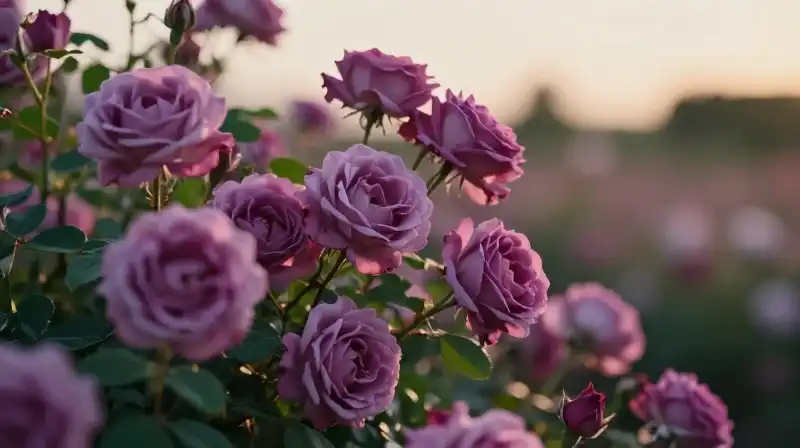
Not all lavender roses serve the same purpose. The form, bloom size, and growth habit dictate where and how they should be deployed. Selecting the right type ensures the rose meets the functional requirements of the specific space—be it a large exhibition bed or a small, intimate cutting garden.
| Rose Type | Primary Function | Key Characteristics | Ideal Scenario |
|---|---|---|---|
| Hybrid Tea | High-Impact Cutting | Large, singular blooms; elongated stems; substantial flowers. | Elaborate centerpieces and formal bouquets. |
| Grandiflora | Large Garden Blooms | Very substantial, multi-petaled flowers; suitable for continuous display. | Mid-sized garden beds; focal points. |
| Floribunda | Clustered Color | Clustered, prolific blossoms; excellent volume for arrangement. | Small posies, nosegays, and high-volume border planting. |
| Shrub Variety | Structure & Bushiness | Full, dense habit; durable and adaptable to various pruning styles. | Foundation planting and robust landscape structure. |
The Versatility of Lavender Roses in Floral Design
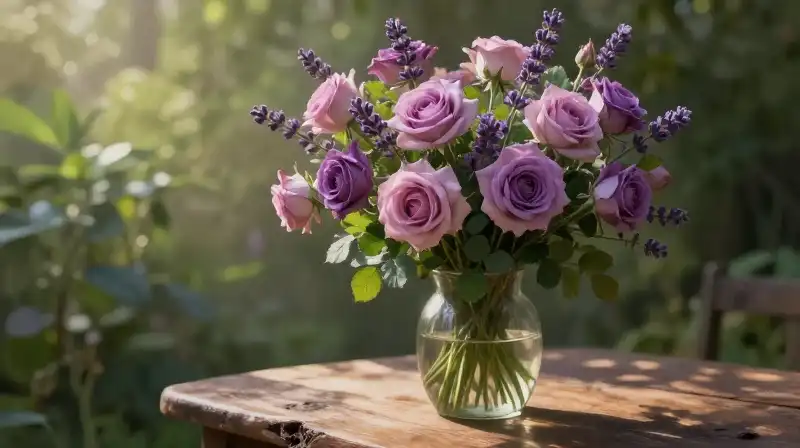
When used as cut flowers, lavender roses excel due to their impressive bloom size and the distinctive, refined aesthetic they impart. Their use in floral design hinges on their ability to provide either a dramatic monochromatic look or a nuanced contrast within a mixed arrangement.
Monochromatic Display: The soft, pale lavender hue allows for stunning, cohesive visual fields when paired exclusively with other subtle purples, whites, or dusty greens. This refined approach is highly effective in formal, sophisticated settings.
Creating Visual Contrast: The contrast between the pale lavender petals and the intense darkness of foliage or deep, jewel-toned flowers (like sapphire blues or deep burgundies) provides immediate depth and visual drama. This dynamic tension makes them perfect for more romantic or contemporary arrangements.
Practical Considerations for Growing Lavender Roses
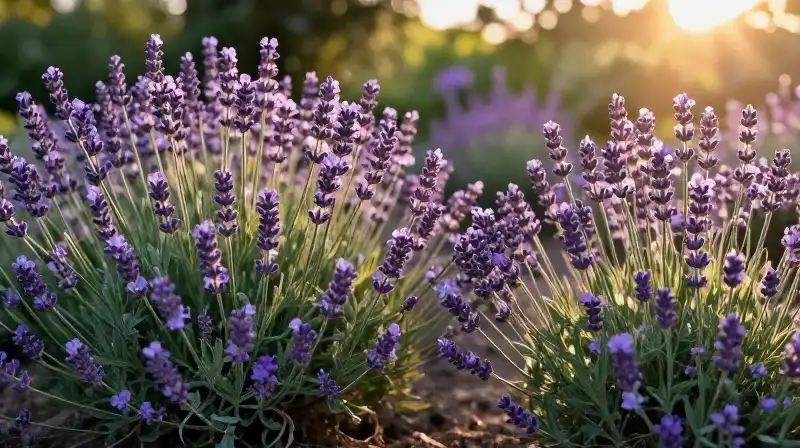
To ensure the elegance of your lavender roses translates into the garden, several factors must be managed regarding their environment and maintenance. Successfully cultivating these roses requires understanding their light and water needs.
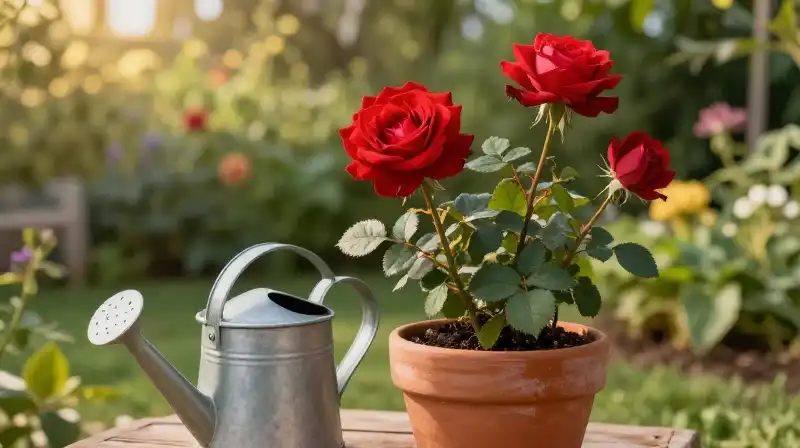
- Sunlight Requirements: Lavender roses perform optimally in conditions with full, direct sun. Insufficient light can lead to pale, sparse growth and diminished bloom quality.
- Soil Drainage: Because these roses require excellent drainage, avoid planting in heavy, water-retentive clay. Well-draining, slightly acidic soil encourages robust root systems and healthy growth.
- The Value of Selection: When purchasing plants, distinguish between general “lavender” and specific varietal traits. A hybrid tea specifically for cut flowers will yield different results than a floribunda intended for ground coverage.
The ultimate appeal of the lavender rose is a combination of its structural refinement, its unique color, and its subtle fragrance—traits that make it a versatile and enduring choice for both professional designers and dedicated amateur gardeners.
Synthesis: Prioritizing the Lavender Rose Application
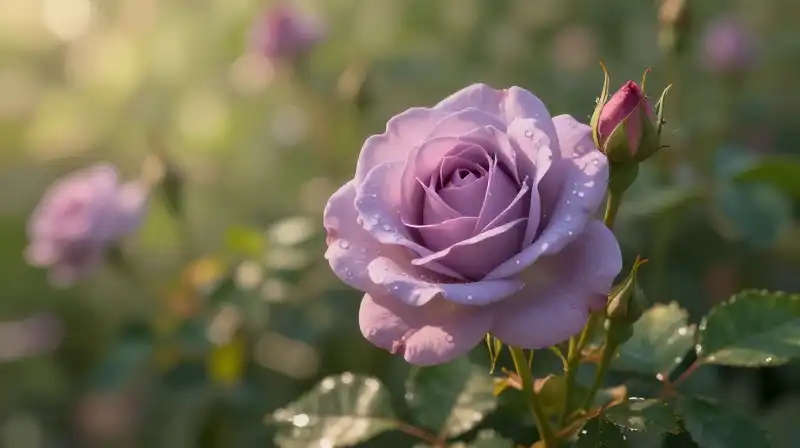
When making a decision regarding the use of lavender roses, prioritize the intended outcome. If the goal is to provide grand, high-impact focal points in a formal garden, select a sturdy Hybrid Tea or Grandiflora variety. If the need is to soften hard architectural lines or add delicate movement to a border, a ground cover type is the optimal choice. By matching the specific varietal characteristics to the functional needs of the garden or arrangement, the inherent elegance and potential of the lavender rose are fully realized.
Explore more: Traditional Día de los Muertos: Symbols, History, and Custom
How to cultivate lavender roses successfully
Provide Optimal Sunlight
Ensure lavender roses are planted in conditions with full, direct sun to prevent sparse growth and diminished bloom quality.
Prepare Well-Draining Soil
Avoid planting in heavy clay and choose well-draining, slightly acidic soil to encourage robust root systems.
Select the Appropriate Variety
Distinguish between general lavender and specific varietal traits (e.g., Hybrid Tea for cut flowers or Floribunda for ground coverage) to meet your intended use.
Related Articles