Water Mint (Mentha aquatica): Growing, Care, and Identification Guide

Introduction
Water Mint, scientifically known as Mentha aquatica, is a robust and adaptable perennial belonging to the Lamiaceae (mint) family. Commonly found flourishing in damp habitats across Europe, northwest Africa, and southwest Asia, this species offers a unique blend of culinary utility, medicinal application, and distinctive aesthetic qualities. It is more than just a common garden mint; it is a specialized, rhizomatous plant designed to thrive in consistently moist, even shallow aquatic, environments. This guide details the precise requirements for successful cultivation, helping you transition this vigorous grower from bare root to flourishing plant, while also clarifying its key identifying features and diverse applications.
Identifying Water Mint (Mentha aquatica)
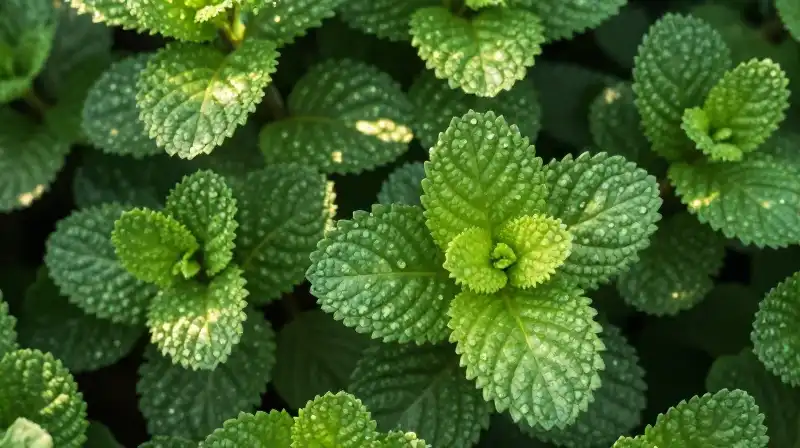
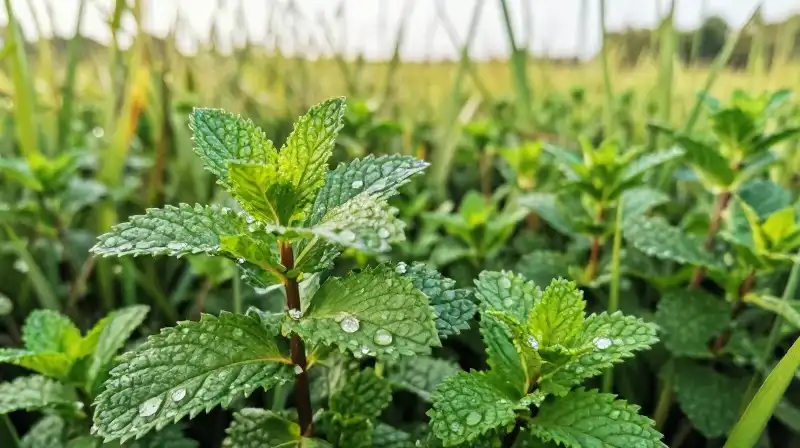
Successfully cultivating Mentha aquatica begins with accurate identification, distinguishing it from other, less aquatic mint varieties. The plant possesses several unique structural traits:
- Growth Habit: It is a perennial herbaceous plant characterized by wide-spreading, fleshy rhizomes that allow it to spread aggressively.
- Stems and Structure: The stems are square, a trait typical of the mint family, and can present in shades of deep green or purple.
- Foliage: It features opposite, toothed leaves.
- Flowering: In mid to late summer, the plant produces small, tubular purple flowers organized into distinctive terminal hemispherical clusters.
- Classification: As a polyploid species with a chromosome count of 96, it demonstrates significant genetic stability but is also known to hybridize with other Mentha species.
Optimizing Growing Conditions and Habitat
Unlike many land-based herbs, the primary determinant of success for Mentha aquatica is moisture. It is classified as a shallow water plant, meaning it requires a high level of consistent hydration.
Soil and Environment
The optimal environment for Water Mint is defined by damp margins and consistent access to moisture. It thrives in:
- Ideal Locations: Shallow margins of streams, ditches, ponds, and wet meadows.
- Soil Tolerance: It exhibits impressive adaptability, tolerating both mildly acidic and calcareous soils, provided the moisture level remains high.
Light and Temperature
While it requires consistent damp conditions, it performs best in environments that receive ample light. However, direct, intense midday sun combined with high heat can stress the plant. The key requirement is consistent moisture throughout the growth period.
Cultivation and Care Guide
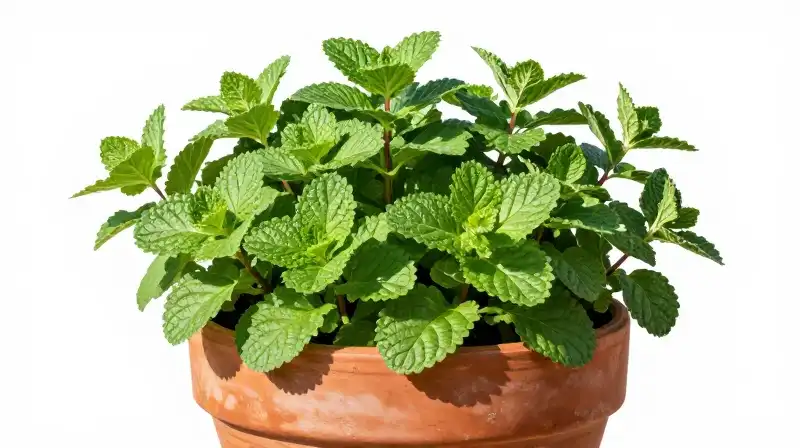
When purchasing Mentha aquatica in bare root form, the initial post-shipping care is critical to preventing transplant shock and ensuring immediate establishment.
Initial Post-Purchase Care
Once the plant is delivered, follow this precise sequence of actions to ensure survival:
- Immediate Hydration: Upon receipt, carefully remove the plant from its initial wrappings and immediately place it in water. This quick transition into the preferred environment reduces shock.
- Shade Recovery: For the critical first phase after planting, it is essential to keep the plants in shade. This shading period is not optional; its purpose is to allow the plant adequate time to recover from the stresses of shipping and replanting, enabling it to adjust slowly to its new home.
- Long-Term Watering: Even after the initial recovery period, continuous monitoring for moisture is necessary. In its natural habitat, the constant presence of surface water or saturated soil is required for peak health.
Rhizome Management
As a rhizomatous spreader, Water Mint can become quite extensive. If you intend to keep the plant contained, careful trimming and management of the spreading rhizomes may be necessary to prevent overgrowth in garden beds.
Uses of Water Mint
The value of Mentha aquatica extends beyond simple garden beauty, serving both culinary and commercial purposes.
Culinary and Medicinal Herb
Water Mint is widely regarded as an edible herb. Its fresh leaves are commonly used in cooking and, more frequently, for the preparation of soothing herbal teas. Its mint profile is distinct and often favored for its refreshing qualities.
Specialized Commercial Applications
A specialized cultivated variety of Water Mint is utilized commercially for industrial purposes. This variety is specifically grown to extract high-quality mentha citrata oil, which is a key ingredient in perfumery and fragrances.
Success Criteria and Practical Warnings
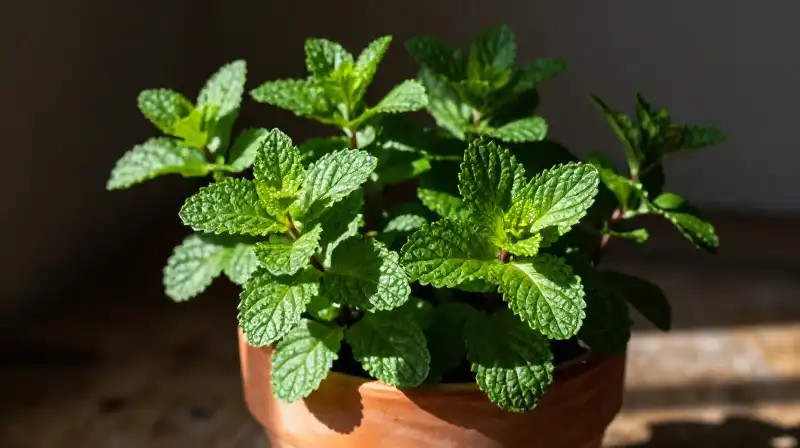
To successfully integrate Water Mint into your garden, understand that its success is fundamentally tied to hydration. The most common error is attempting to grow it in soil that dries out too quickly. Always prioritize maintaining a high, consistent level of moisture, mimicking its natural habitat.
If you are growing Mentha aquatica for a controlled garden setting rather than a natural wetland, consider installing a raised bed or basin that allows for poor drainage but ensures constant capillary moisture retention. Remember, its wild adaptability does not translate to tolerance for dry, upland conditions. Careful monitoring of its moisture requirements is the single most important factor in realizing its potential as a thriving plant.
How to care for Water Mint after purchase
Immediate Hydration
Upon receipt, carefully remove the plant from its initial wrappings and immediately place it in water.
Shade Recovery
For the critical first phase after planting, it is essential to keep the plants in shade to allow them to recover from shipping and replanting.
Long-Term Watering
Even after the initial recovery period, continuous monitoring for moisture is necessary, ensuring the constant presence of surface water or saturated soil for peak health.
Related Articles