
Serrano Pepper Seeds: Growing Guide and Best Care Tips
Introduction
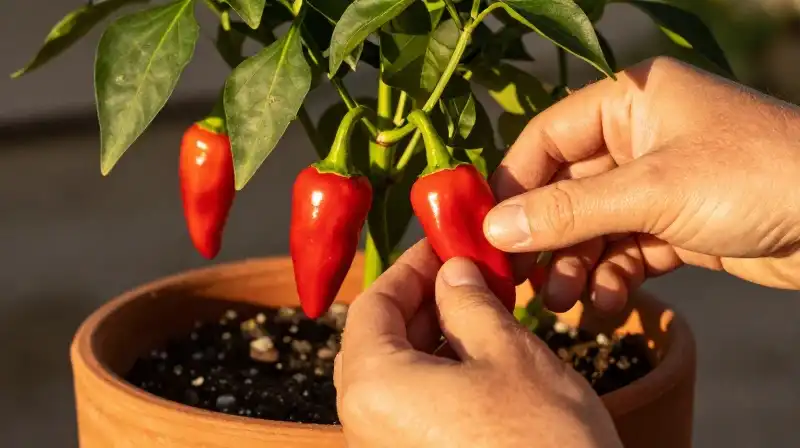
Serrano peppers are highly valued cultivators, known for combining a vibrant, sharp heat with subtle fruity undertones. These non-GMO heirloom varieties offer a striking color transition—typically from a dark green to a deep, fiery red—and possess thin walls that make them ideal for everything from fresh slicing to quick cooking and traditional salsas. If you are planning a garden or looking for high-quality serrano pepper seeds for sale, this guide provides the specific growing parameters necessary to ensure your plants achieve their maximum flavor and heat potential.
Successfully cultivating these peppers requires attention to specific environmental triggers, particularly regarding light, soil quality, and moisture management. By understanding the nuances of serrano pepper care, you can move beyond basic cultivation and optimize your harvest.
Serrano Pepper Growing Timeline and Maturation
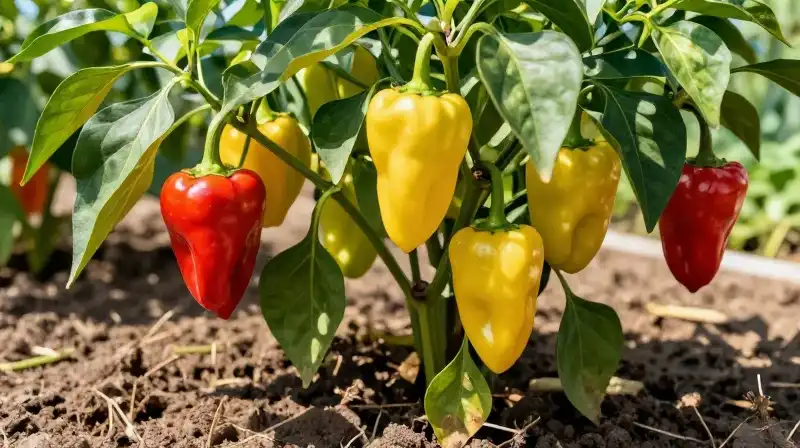
To manage expectations and plan your garden schedule, knowing the growth cycle is essential. Serrano plants are vigorous and productive, but their rapid growth can be misleading without proper planning for the entire season.
Seed Germination and Maturity
From the moment you sow the serrano pepper seeds, the process takes approximately 75 to 80 days until harvest. However, the initial stages of growth require careful attention. Because these are warm-season crops, timing the start is crucial for preventing late-season stress.
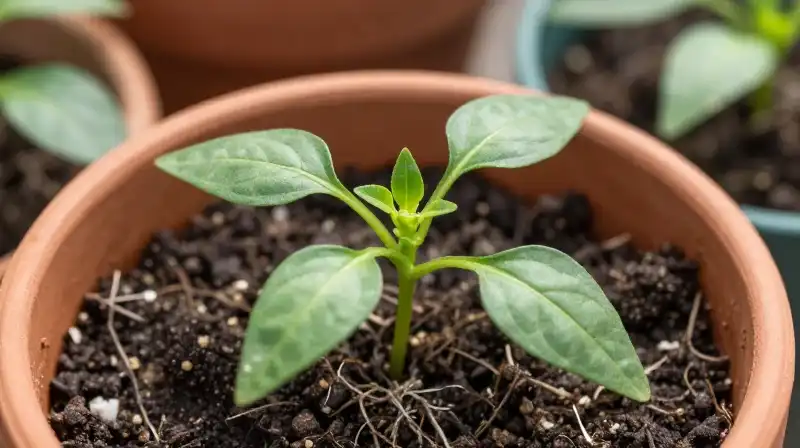
- Indoor Starting: To ensure an early harvest and protect young plants from the chilling effects of early spring weather, it is highly recommended to start the serrano pepper seeds indoors. Plant indoors approximately 8 to 10 weeks before the last anticipated frost date.
- Transplanting: Once the seedlings develop strong root systems and are sturdy enough to handle transplant shock, they can be moved outdoors.
- Full Development: After planting outdoors, the plants need the full growing season to reach peak size and flavor. Consistent care during this period allows the pepper to fully develop its sharp heat and characteristic fruit color.
Optimal Growing Conditions for Heat and Flavor
Achieving the desired culinary quality—the intense heat and fruity nuance—is not accidental; it relies on meeting specific environmental demands. Serrano peppers perform best under conditions that mimic their native warm environments.
Sunlight and Location
Serranos require intense solar energy. They perform best in a location that receives full sun. Without ample light, the plant may become leggy, and the flavor profile, including the intensity of the capsaicin and the sweetness of the fruit, will be significantly diminished.
Soil and Drainage Management
The foundation of a successful pepper crop is the soil. Serrano plants thrive in well-drained, fertile soil. While they benefit from nutrient-rich mediums enriched with organic matter, overly compacted or waterlogged soil is detrimental. Poor drainage leads to root rot, preventing the plant from absorbing nutrients needed for fruit development.
Spacing and Airflow
For maximum yield and to prevent fungal issues, proper spacing is mandatory. Serrano plants must be spaced at least 12 to 18 inches apart. This distance ensures sufficient airflow around the canopy, which is a critical defense against mold and disease, while allowing the foliage to receive adequate sunlight for fruit production.
Practical Steps: Indoor vs. Direct Planting
The choice between starting seeds indoors or planting them directly into the ground depends entirely on your climate and gardening ambitions. Each method has distinct advantages.
| Method | When to Use | Key Benefit | Caution |
|---|---|---|---|
| Indoor Starting | Regions with late frost or small container gardens. | Guaranteed harvest date; controlled environment. | Seedlings are fragile and susceptible to transplant shock. |
| Direct Sowing | Regions with reliably warm springs and long frost-free periods. | Simplicity; minimizes handling stress on the seedling. | Success is dependent on the timing of the last frost. |
Caring for Your Serrano Plants: Water and Maintenance
While serranos are resilient once established, consistent care during the fruiting stage is required. Over-watering and under-watering are the most common pitfalls.
The Balancing Act of Watering
Serranos require consistent moisture, especially when they begin to set fruit. However, the focus must always be on proper drainage. Never let the soil become saturated or “water logged.” A good rule of thumb is to check the soil moisture one inch deep; if it is dry, water thoroughly until it runs from the bottom, allowing excess water to drain completely.
Pollination and Support
Ensure your plants have access to local pollinators. If growing in a less hospitable area, manual pollination may be required. Furthermore, as the plants become heavily laden with pepper fruit, sturdy support (such as stakes or cages) is highly recommended to prevent broken stems and fruit damage.
From Harvest to Culinary Use: Serrano Pepper Characteristics
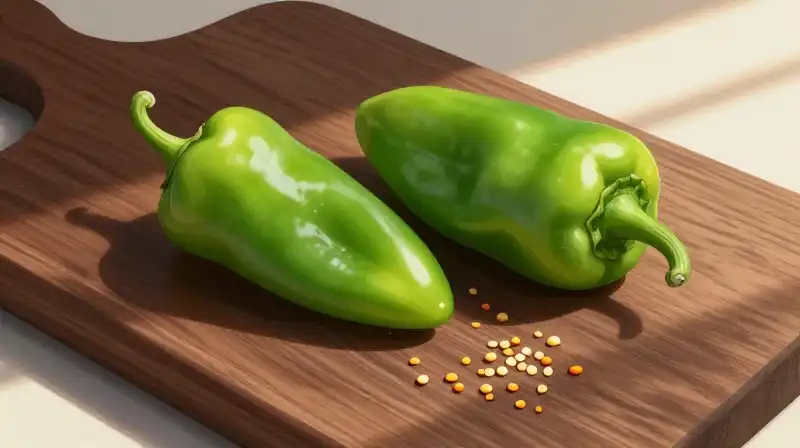
Once the serranos have transitioned from dark green to a vibrant red, they are ready for harvest. Because of their thin walls and sharp heat, they are highly versatile in the kitchen.
Taste and Versatility
The flavor profile of the mature pepper is a blend of intense, sharp heat and bright, fruity notes. They are a cornerstone of Mexican cuisine and are exceptionally useful in:
- Fresh salsas (raw, finely chopped)
- Hot sauces (infusions and reductions)
- Quick pickling and cooking applications
Harvesting and Seeding
When harvested, the peppers can be easily transplanted to drying racks or immediately processed. If you intend to use the seeds for future planting, you must extract them while the fruit is fully mature and beginning to wilt. Simply remove the seeds and pulp from the ripened fruit and allow them to dry in a warm, dark location before storage.
Final Practical Considerations for Serrano Pepper Growers
Cultivating serrano pepper seeds for maximum success involves more than just planting; it requires proactive observation and environmental control. If you are sourcing serrano pepper seeds from a retailer, ensure they are non-GMO, as this specific heirloom characteristic contributes to the flavor profile mentioned throughout this guide. The key to transforming seed potential into a high-yield, high-flavor harvest lies in these three critical areas:
- Heat Management: Prioritize full sun and warm soil conditions to ensure the peppers achieve their full heat potential.
- Drainage Priority: Consistently monitor soil moisture, always ensuring that excellent drainage prevents root damage.
- Spacing: Maintain the 12 to 18-inch separation to maximize airflow and prevent common fungal infections.
Frequently Asked Questions
How long does it take to grow serrano peppers from seed?
From the moment the serrano pepper seeds are sown, the process takes approximately 75 to 80 days until harvest.
Do you take seeds out of serrano peppers?
If you intend to use the seeds for future planting, you must extract them while the fruit is fully mature and beginning to wilt. This involves simply removing the seeds and pulp from the ripened fruit to allow them to dry before storage.
How to Grow Serrano Peppers
Start Seeds
Start seeds indoors approximately 8 to 10 weeks before the last anticipated frost to protect young plants and ensure an early harvest.
Transplant Seedlings
Once the seedlings have developed strong root systems and are sturdy, move them outdoors into their final growing location.
Establish Growing Conditions
Ensure the location receives full sun and use well-drained, fertile soil. Maintain proper spacing of 12 to 18 inches between plants to maximize airflow and prevent disease.
Provide Maintenance
Provide consistent moisture, checking the soil one inch deep to ensure it is dry before watering thoroughly until it drains from the bottom. Offer support (stakes or cages) as plants become heavy with fruit.
Monitor for Pollination
Ensure the plants have access to local pollinators, or manually assist with pollination in less favorable environments.
Harvest and Save Seeds
Harvest the peppers once they have transitioned to a vibrant red. If saving seeds, remove the pulp and seeds from the mature, wilting fruit and allow them to dry in a warm, dark location before storage.
Related Articles