Munstead Wood Rose: Growing Crimson Beauty and Fragrance

Introduction
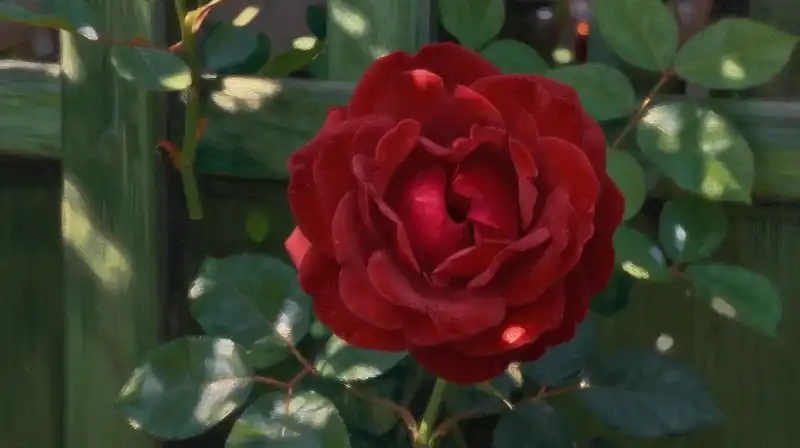
Munstead Wood is a highly regarded shrub rose known for delivering a powerful combination of deeply saturated crimson beauty and a complex, evocative fragrance. If you are searching for a reliable, high-impact specimen to anchor a border or provide rich texture in a container, this English rose, bred by David Austin, merits close consideration. This cultivar is celebrated not just for its intense, velvety blooms, but also for its consistent performance, having earned the Royal Horticultural Society Award of Garden Merit. It offers a sophisticated presence, blending classic old rose notes with bright, fruity undertones, making it a centerpiece for both design and sensory enjoyment.
A Deep Dive into Appearance and Scent
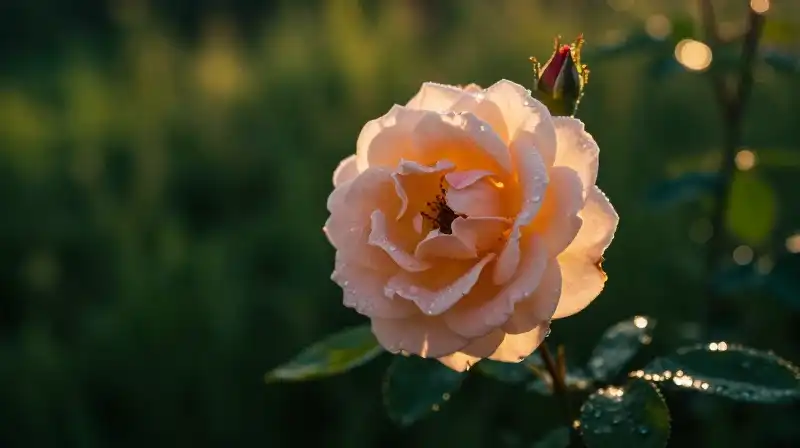
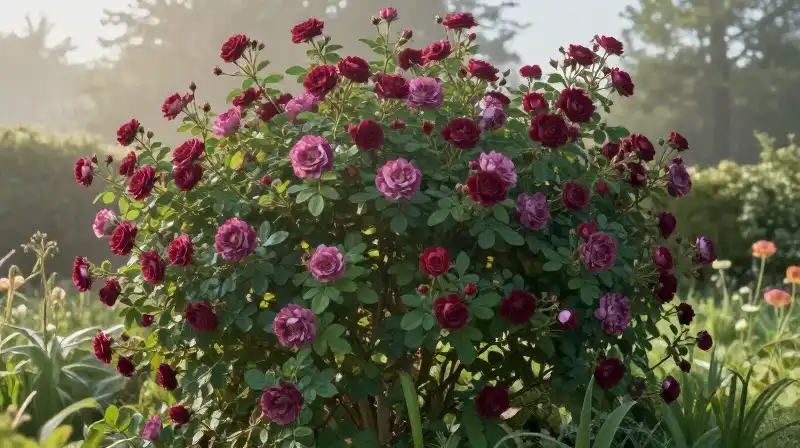
What sets Munstead Wood apart is its striking visual impact and unique olfactory signature. The blooms are deeply cupped when first opened, showcasing velvety crimson petals that remain vibrant and saturated, even when exposed to the harsh intensity of direct sunlight. Unlike some darker varieties whose color fades, Munstead Wood maintains its profound depth.
The fragrance is a defining characteristic of this rose. It presents a harmonious blend of traditional, rich Old Rose characteristics alongside refreshing, fruity notes, often described with hints of blackberry and damson. Beyond the flowers, the foliage also plays a role in the plant’s appeal. It features seasonal color variation, transitioning from a vibrant red-bronze during the stage of new growth to a mature, healthy mid-green.
Understanding the Habit and Size
As a compact, spreading shrub, Munstead Wood is designed to fill space while maintaining a refined shape. Its mature height and spread typically reach between 3 and 4 feet. This versatile habit allows it to thrive in various roles, including:
- A structural border specimen that provides deep color year-round.
- A dramatic focal point in containers, ideal for patios and balconies.
- A unique addition to a sensory garden, leveraging its rich fragrance.
Optimal Conditions for Growing Munstead Wood
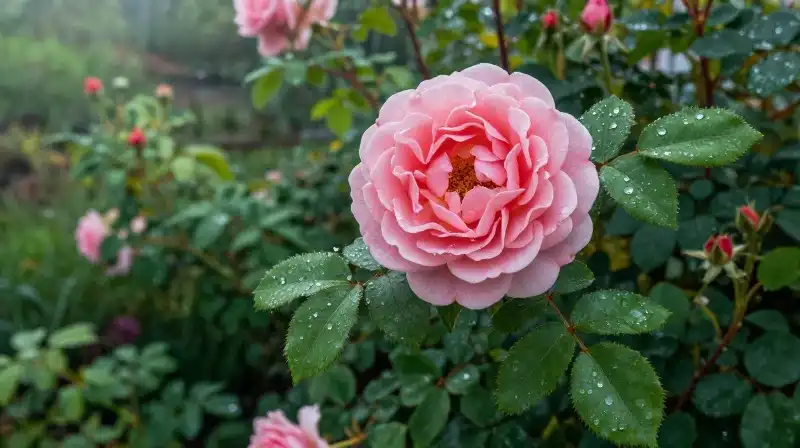
To ensure Munstead Wood achieves its full potential—producing those signature velvety crimson blooms—it requires specific environmental conditions related to light, soil, and climate. Ignoring these requirements can lead to reduced flowering and lackluster foliage.
Light and Temperature Requirements
The primary requirement for Munstead Wood is substantial light exposure. It must be planted in a location that receives a minimum of six hours of direct full sun daily. This full exposure is crucial for driving the intense pigment development and maintaining bloom saturation throughout the growing season.
The rose is remarkably resilient within its specified climate range. It is suited for USDA Hardiness Zones 5 through 9, providing a broad range of growing suitability across North America and temperate regions.
Soil and Nutrition
The plant thrives best in well-drained soil. Excellent drainage is non-negotiable; roses dislike sitting in soggy conditions. Furthermore, the preference is for soil that is slightly acidic. The ideal pH range for this variety falls between 6.0 and 6.8. Providing consistent, even moisture during dry spells, paired with regular feeding, will support continuous reblooming.
Care and Maintenance Practices
Consistent care is the key to encouraging the continuous flowering that Munstead Wood is known for. A structured maintenance schedule helps the plant focus its energy on producing spectacular blooms rather than just vegetative growth.
Pruning and Deadheading
To maintain its shape and promote vigorous health, proper pruning is necessary. The ideal time for hard pruning is late winter, allowing the plant to establish a clean structure before the spring flush. Throughout the growing season, regular deadheading is essential. Deadheading (removing faded blooms) signals to the plant that it must produce more flowers to succeed, thus encouraging sustained and abundant bloom flushes from late spring through the fall.
Addressing the Repeat Bloom Question
In response to common queries, yes, Munstead Wood is a strong repeat bloomer. It is characterized by continuous, staggered flushes. By practicing diligent deadheading and ensuring adequate light and nutrition, gardeners can expect flowering periods to stretch well into the autumn.
Practical Considerations for Ownership
When considering Munstead Wood for a garden, it is useful to understand its established status and the general context of purchasing it. The Royal Horticultural Society Award of Garden Merit affirms its reliability and suitability for public and private gardens alike. While specific pricing or real-time availability for “Munstead wood rose for sale” can vary significantly based on regional nurseries (USA, Europe) and seasonal demand, focusing on established, reputable local suppliers ensures quality and healthy plants.
It is beneficial to check with a specialist nursery regarding current stock or if the cultivar has been discontinued in your specific region, as inventory fluctuates widely in the horticulture market.
Choosing Munstead Wood: A Practical Summary
Munstead Wood is an excellent choice for gardeners seeking a reliable, high-performance rose with a powerful sensory experience. Before committing to planting, consider these criteria:
- Light Commitment: Can the planting site guarantee six or more hours of direct, unobstructed sunlight?
- Maintenance Capacity: Are you prepared for regular pruning and diligent deadheading to maximize its signature continuous flowering?
- Design Intent: Do you desire a robust, deep crimson impact that pairs well with complementary colors like soft lavenders or chartreuse foliage?
This rose excels in providing a visual and aromatic anchor to a landscape, delivering intense, reliable performance across a wide range of temperate zones.
Explore more: Dia de los Muertos Skull Designs: Symbols and Artistic Inspi
Frequently Asked Questions
Is Munstead Wood a repeat bloomer?
Yes, Munstead Wood is a strong repeat bloomer that is characterized by continuous, staggered flushes. With diligent deadheading and ensuring adequate light and nutrition, gardeners can expect flowering periods to stretch well into the autumn.
How to Grow and Maintain Munstead Wood Rose
Ensure optimal placement
Choose a location that provides a minimum of six hours of direct full sun daily to drive intense pigment development.
Prepare the soil
Plant the rose in well-drained, slightly acidic soil with a pH ranging between 6.0 and 6.8.
Establish care routine
Provide consistent, even moisture during dry spells and regular feeding to support continuous reblooming.
Prune for structure
Perform hard pruning in late winter to allow the plant to establish a clean structure before the spring flush.
Maintain blooms
Practice regular deadheading throughout the growing season to encourage sustained and abundant flower flushes from late spring through fall.
Related Articles