Weeping Atlas Cedar: Understanding Purchase Guarantees and Care


Introduction
The Weeping Blue Atlas Cedar (often simply referred to as a Weeping Atlas Cedar) is a highly sought-after landscape specimen, prized for its dramatic pendulous branches and deep blue-grey foliage. For buyers, making a significant investment in such a tree requires more than just an aesthetic appreciation; it requires a clear understanding of both the plant’s maintenance needs and the terms governing its purchase guarantee. This guide clarifies how to care for your Weeping Atlas Cedar and delineates the specific warranty terms provided by reputable vendors, establishing the shared responsibilities between the seller and the owner to ensure a successful, long-lasting landscape addition.
Cultivating Your Weeping Atlas Cedar: Growing Conditions and Care
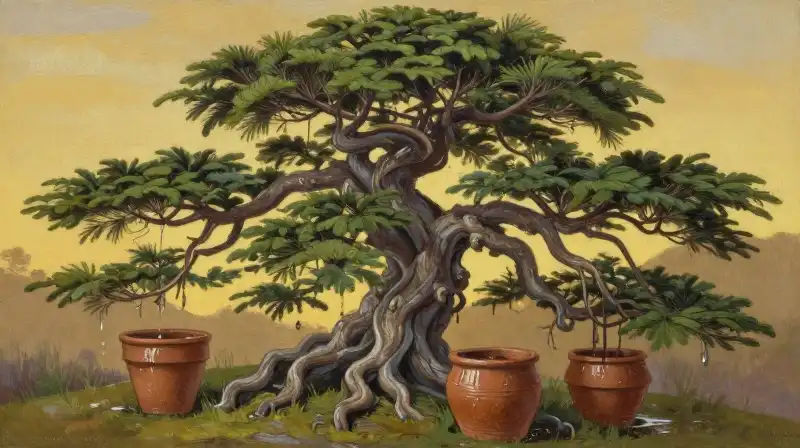
To achieve the intended dramatic form and vitality, the Weeping Blue Atlas Cedar requires specific environmental conditions that mimic its native habitats. Understanding where these trees naturally grow helps determine the best placement for your own specimen.
Atlas Cedar varieties thrive in environments similar to their Mediterranean origins. They are highly resilient once established, making them a preferred choice for durable landscaping, provided they receive adequate structural support initially. Key growing requirements include:
Ideal Environment: These cedars typically grow in climates that offer well-drained soil and plenty of sunlight. While they are known for their drought tolerance once mature, establishing a new cedar requires consistent, deep watering during its first growing seasons to encourage strong root development.
Light and Location: They prefer full sun or locations receiving bright, indirect light. Placing them in a shady or overly humid location will stress the foliage, potentially compromising its health and blue-green coloring.
Maintenance Tips:
- Pruning: Regular pruning encourages the characteristic weeping shape and maintains bushiness. Focus on thinning to allow light penetration to the inner canopy.
- Soil: Ensure the soil is free-draining. They are sensitive to standing water and poor drainage.
- Pests: Vendors prioritize providing healthy, pest-free plant material, but monitoring for common cedar pests (such as scale or spider mites) is an ongoing responsibility of the owner.
Navigating the Purchase Guarantee and Warranty Coverage

When purchasing a Weeping Atlas Cedar, the warranty serves as a critical safety net, assuring the buyer that the plant is robust and healthy at the time of sale. This warranty, however, operates under strict parameters regarding eligibility and claim fulfillment.
The core guarantee covers tree or shrub failures within twelve months of the date of purchase. If a plant fails within this window, the customer is eligible for a 50% store credit. To proceed with a claim, two specific steps are mandatory:
- Return the Plant: The failed plant must be returned to the vendor.
- Provide Proof of Purchase: A copy of the original receipt is required to verify the date of purchase and the warranty period.
Critical Exclusions from Warranty Coverage
It is equally important to understand what the guarantee does not cover. The warranty is highly specific and excludes certain plant types or conditions. Failure to meet these conditions invalidates the claim.
Specific terms excluded from coverage include:
- Annual Plants: Short-lived seasonal flowers or bedding.
- Herbaceous Perennials: Non-woody plants that typically die back after one growing season.
- Tropical Plants: Species requiring specific, controlled indoor or protected conditions.
Moreover, while the vendor guarantees the initial health and pest-free status of the material, the warranty assumes that the subsequent failure was due to a fault in the original material, not environmental neglect.
Clarifying Shared Responsibility: Care Versus Guarantee

The relationship between the buyer and the vendor regarding plant success is one of shared responsibility. The seller ensures the quality and health of the Weeping Blue Atlas Cedar when it leaves the nursery. The customer, however, is responsible for providing the correct care after it arrives. The vendor actively encourages the return of failed plants for troubleshooting. This exchange allows the vendor to distinguish between a defective plant and one that succumbed to environmental factors (such as incorrect watering, exposure, or poor soil conditions).
If a plant fails, a return will initiate a process to determine the cause. This collaborative approach ensures that if the plant was fundamentally flawed, the warranty is honored with a 50% store credit. If the failure is attributed to improper post-purchase care, the claim will not be valid.
Deciding on Your Weeping Blue Atlas Cedar: Practical Checklist
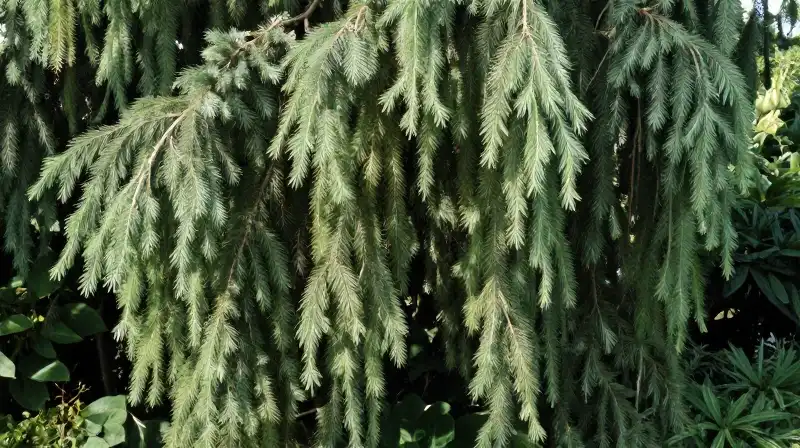
Before purchasing a specimen, verify that its characteristics align with your landscape goals and that you understand the post-purchase obligations. This comparison of expectations provides clarity before the commitment is made.
The following points serve as a practical checklist for informed decision-making:
- Environmental Alignment: Does my garden location receive the required light and drainage for a Mediterranean-type cedar?
- Growth Management: Do I have the space and plan for periodic pruning to maintain the desired weeping form and manage its growth rate?
- Legal Review: Do I understand the specific terms of the warranty, including the 12-month limit and the requirement to return the original receipt and plant for a 50% credit?
- Material Quality: Ensure the vendor explicitly states they provide healthy, pest-free plant material to align with the warranty’s foundation.
The Weeping Blue Atlas Cedar offers profound aesthetic value, but maximizing its longevity requires both the initial quality guarantee and conscientious, attentive care from its owner.
Frequently Asked Questions
How to take care of a weeping blue atlas cedar?
The cedar requires well-drained soil and plenty of sunlight, needing consistent deep watering during its initial growing seasons. To maintain its dramatic form, perform regular thinning pruning and monitor it for pests such as scale or spider mites.
Where do weeping blue Atlas cedars grow?
Atlas Cedar varieties thrive in environments similar to their Mediterranean origins, as their growing conditions are designed to mimic their native habitats.
How to File a Warranty Claim for a Weeping Atlas Cedar
Return the Plant
Return the failed plant to the vendor.
Provide Proof of Purchase
Provide a copy of the original receipt to verify the date of purchase and the warranty period.
Related Articles