Hidden Rose Apple Tree: Cultivation, Growing Requirements, and Care

Introduction
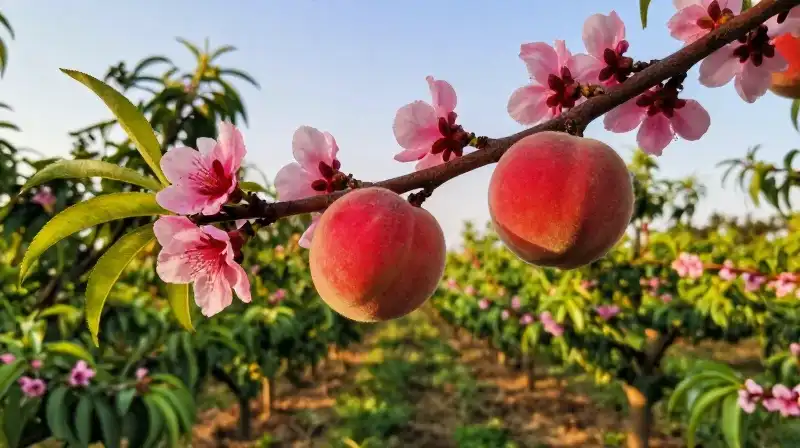
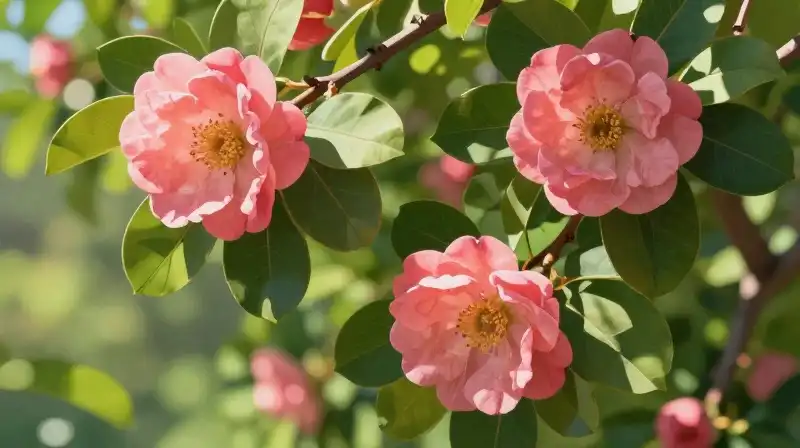
The Mountain Rose Apple Tree (often referred to as the Hidden Rose Apple) is a striking specimen valued equally for its ornamental splendor and its high-quality fruit. This semi-dwarf cultivar provides a beautiful show of vibrant pink blooms in the spring, followed by the production of unique, richly flavored apples. Unlike many standard apple varieties, the Mountain Rose Apple combines impressive hardiness with a versatile fruit profile—offering a sweet-tart taste suitable for both fresh consumption and culinary preparations. If you are looking to integrate a highly decorative and productive fruit tree into your garden, understanding the specific growing requirements of the Hidden Rose Apple is essential for a successful harvest.
Understanding the Mountain Rose Apple Characteristics
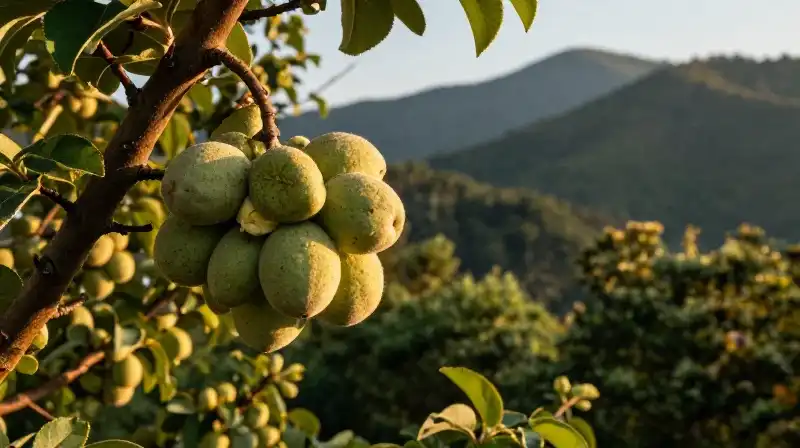
This cultivar is defined by its unique appearance and robust performance. Its ornamental appeal is primarily centered around the abundant, delicate pink floral displays that grace the canopy early in the growing season. Following the bloom, the tree produces large apples distinguished by their greenish-yellow skin and a firm, crisp flesh colored a deep dark red.
The fruit itself possesses a distinctive flavor profile that is naturally sweet and balanced by tart acidity. This dual nature makes it exceptionally adaptable. From a horticultural perspective, the tree is noted for its resilience, capable of handling significant temperature dips. It typically reaches a mature size of 12 to 16 feet when started on a semi-dwarf rootstock, maintaining a manageable footprint for home gardeners.
Optimal Growing Conditions and Placement
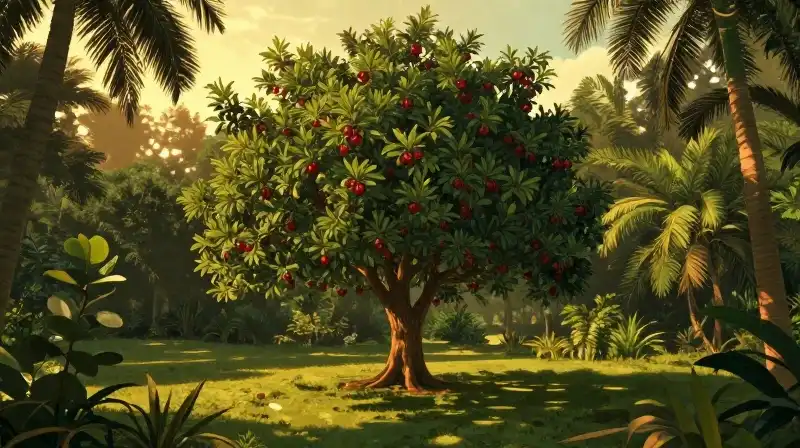
Successfully cultivating a Hidden Rose Apple requires careful attention to sunlight and soil quality. The tree requires a location that can receive anywhere from half-day to full sun exposure. Adequate sunlight is critical for maximizing bloom quality and ensuring the fruit develops its characteristic rich color and flavor.
Soil conditions must be well-drained; apples dislike sitting in soggy earth, which can lead to root issues. In terms of climatic suitability, this variety demonstrates significant hardiness, tolerating temperatures down to minus 30° F. However, optimal growth rates are best achieved in USDA Zone 4 and warmer. For gardeners in colder regions, ensuring proper drainage is even more critical during the winter months.
Cultivation Strategy and Fruit Set
When planting, selecting the correct rootstock is a key decision, as this determines the final size and growth habit. Utilizing a semi-dwarf rootstock is highly recommended to keep the tree manageable while maintaining the characteristic size.
A critical factor for yield is pollination. Mountain Rose Apples require cross-pollination from a compatible apple variety to ensure fruit set. While nature provides some assistance, supplementing the garden with Mason Bees can significantly improve the chances of successful fruit development, leading to a more consistent and abundant crop.
The tree is generally a slow grower, typically beginning to produce viable fruit 2 to 3 years after being planted. Patience is necessary as the tree establishes its root system and canopy.
Maintenance and Pest Management
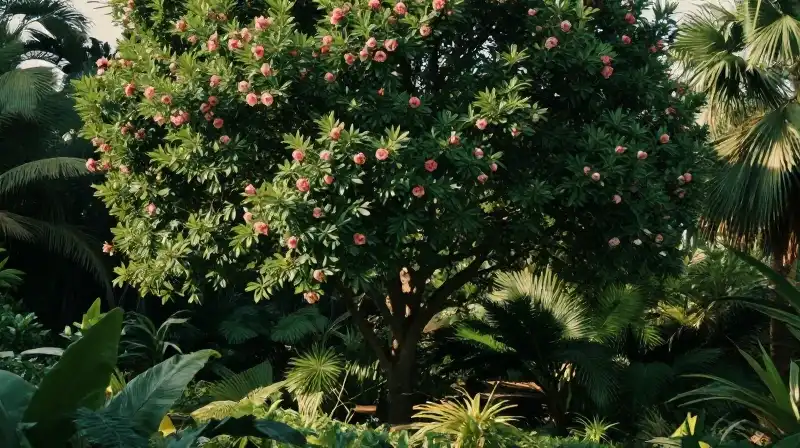
Like all fruit trees, the Mountain Rose Apple requires routine maintenance to remain vigorous. Pruning is necessary to maintain shape, encourage better airflow (which minimizes disease risk), and direct the plant’s energy toward fruit production rather than excessive foliage.
Gardeners must be prepared for a few common pests and diseases:
- Apple Scab: This fungal issue is most prevalent in spring climates where moisture is abundant. It is effectively managed through preventative treatments, such as sulfur sprays.
- Codling Moth: This moth can damage young fruit. Regular monitoring of the apples during the active feeding season is the best deterrent.
- Aphids: Foliage damage caused by aphids can weaken the tree. Consistent inspection and appropriate insecticidal treatment can resolve these issues quickly.
Harvest Timing and Culinary Uses
The fruit of the Hidden Rose Apple ripens relatively early, typically in early September. Due to its quality, the apples possess excellent storage capabilities, allowing the harvest to extend through the cooler months and potentially into the next spring.
The versatility of the apple makes it useful in several ways:
- Fresh Consumption: The sweet-tart balance is ideal for eating straight from the tree.
- Salads and Baking: Its crisp texture and unique flavor elevate standard culinary applications.
- Processed Products: The fruit is excellent for making distinctive pink applesauce or juice, capitalizing on its coloration.
Planning Your Garden and Sourcing the Tree
If you are considering buying a Hidden Rose Apple tree, focus on the source and the intended use of the tree. If you are searching for a Hidden Rose Apple tree for sale near me, it is advisable to consult local nurseries that specialize in fruit stock to ensure the cultivar is correctly identified and healthy.
When making a purchase, evaluate the tree for robust root development and an absence of major signs of disease. Consider the tree’s overall size and structure relative to the space you have available, keeping in mind that while it is semi-dwarf, it will still require significant growing space to achieve its full mature form.
Summary of Success Criteria for Cultivation
To ensure a highly successful and low-stress experience growing the Mountain Rose Apple Tree, gardeners should prioritize three key areas:
- Environment: Provide full to partial sun and guarantee excellent drainage, especially in colder zones.
- Support: Install a semi-dwarf rootstock and ensure cross-pollination is facilitated, either naturally or by supplementing with beneficial insects like Mason Bees.
- Proactive Care: Implement regular inspections to catch pests (moths and aphids) early, and use preventative measures (like sulfur sprays) against common fungal threats like Apple Scab.
By addressing these specific requirements, you can enjoy the unique combination of breathtaking springtime beauty and a highly adaptable, flavorful harvest.
Frequently Asked Questions
Where are Hidden Rose Apples grown?
Hidden Rose Apples are grown in locations that receive anywhere from half-day to full sun exposure and are best suited for USDA Zone 4 and warmer. Optimal cultivation requires the location to have well-drained soil.
Can you grow Hidden Rose Apples at home?
Yes, you can cultivate the Hidden Rose Apple at home, provided you follow specific requirements for success. Key factors include providing full to partial sun, ensuring excellent soil drainage, using a semi-dwarf rootstock, and facilitating cross-pollination.
What is Hidden Rose Apple?
The Hidden Rose Apple, also called the Mountain Rose Apple Tree, is a semi-dwarf cultivar valued for its vibrant pink spring blooms and its high-quality, unique fruit. It produces richly flavored apples that are naturally sweet and balanced by tart acidity, making them versatile for fresh eating or culinary uses.
How to Cultivate a Mountain Rose Apple Tree
Select and Position the Tree
Choose a semi-dwarf rootstock when purchasing to maintain manageability, and plant the tree in a location receiving half-day to full sun with excellent, well-drained soil.
Ensure Pollination
Because Mountain Rose Apples require cross-pollination to set fruit, supplement your garden with compatible varieties or utilize Mason Bees to improve the chances of a successful crop.
Implement Regular Maintenance
Prune the tree regularly to maintain its desired shape, promote better air circulation (reducing disease risk), and direct energy toward fruit production.
Monitor for Pests and Disease
Regular inspections are necessary to catch common issues like Codling Moth or Aphids early, and use preventative treatments such as sulfur sprays to manage fungal threats like Apple Scab.
Harvest the Fruit
Allow the tree time to establish (2-3 years) and harvest the apples once they ripen, typically in early September, to enjoy their sweet-tart flavor.
Related Articles