Babcock Peach Tree Cultivation: A Complete Care Guide

Introduction
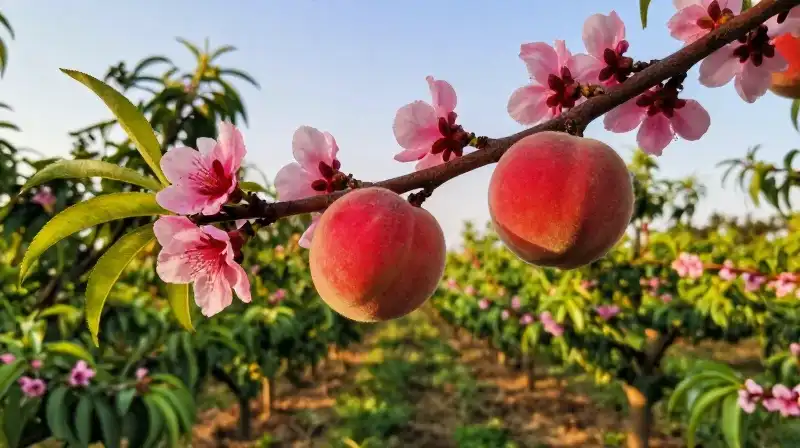
The Babcock Peach is a historic heirloom variety, celebrated for its unique combination of high-quality fruit and adaptability. Known for its sweet, juicy, and aromatic white-fleshed flesh, this low-acid freestone peach offers exceptional flavor often compared to tasting like candy. If you are planning to cultivate this specific cultivar, success hinges on understanding its low-chill requirements and specific structural needs. This guide provides the essential information necessary to successfully transition from selection to a high-yielding, healthy tree, covering everything from initial planting to advanced pruning techniques.
Understanding Babcock Peach Selection and Suitability
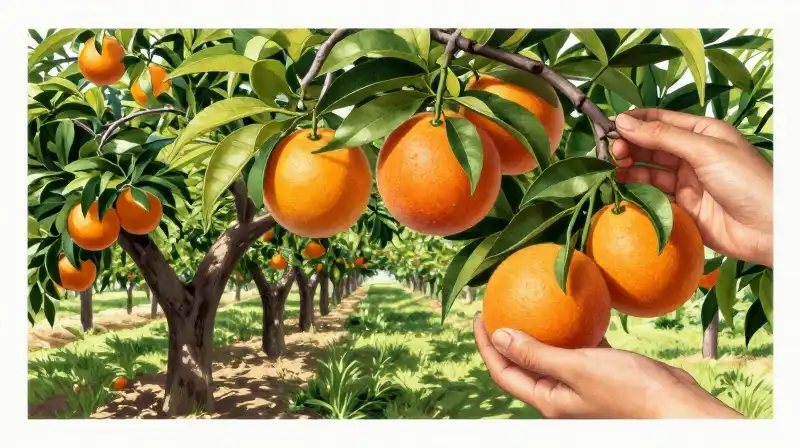
Before planting, it is vital to confirm that your environment aligns with the tree’s specific requirements, as the Babcock Peach is not suited for all climates or soil types. This is particularly important for gardeners looking for a reliable, high-quality crop.
Key characteristics that define the variety include:
- Growth Habit: Mature trees typically reach a size of 10–16 feet, requiring 12–16 feet of spacing to ensure adequate air circulation and fruit development.
- Zoning: The variety thrives in USDA Zones 6 through 10. It is notably hardy down to temperatures of minus 10°F.
- Rootstock: It commonly utilizes the Lovell rootstock, which contributes to its adaptability and overall vigor.
- Chill Requirements: While it is considered low-chill, it still requires 250–300 chill hours to set fruit properly. It is important to note that even though it is low-chill, it does not typically exhibit early blooming.
Answering Key Cultivation Questions
To clarify common inquiries regarding the Babcock Peach, the following facts are essential for cultivation planning.
Are Babcock Peaches sweet and what is their flavor profile?
Babcock Peaches are renowned for their exceptional flavor. They are supremely sweet, juicy, and aromatic, with a distinctive low-acid profile. The white-fleshed fruit is frequently described by consumers as tasting like candy, making it a prime candidate for both fresh eating and culinary uses.
How big does a Babcock Peach tree get?
The tree typically reaches a mature size of 10 to 12 feet in height, with overall spread reaching 12–16 feet. Proper spacing and regular pruning are crucial to ensure this size translates into optimal health and yield, preventing overcrowding which can lead to fruit decline.
Is the Babcock Peach self-fertile?
Yes, the Babcock Peach is self-fertile. This is a significant advantage for growers, as it eliminates the need for external pollination or specialized management, simplifying the overall cultivation process.
Planting Techniques and Initial Care
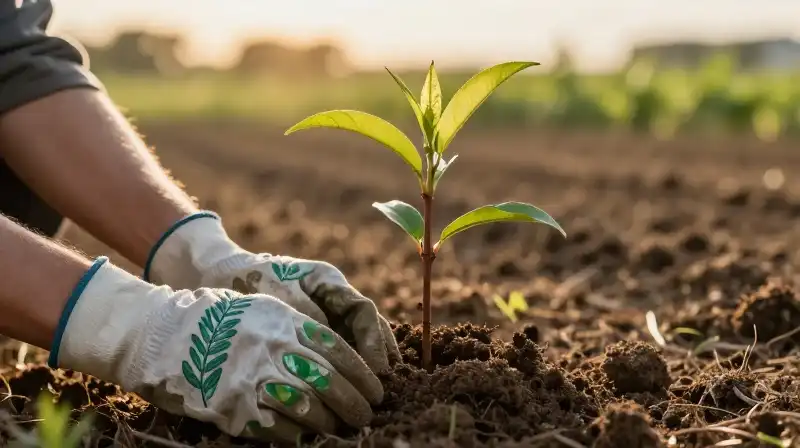
Proper establishment is the first step toward a vigorous, productive tree. Site preparation and initial structural support are critical for long-term success.
Site Preparation and Soil:
- Select a location offering full to half-day sunlight.
- The tree requires well-drained soil. Avoid planting in heavy clay or perpetually saturated areas to prevent root rot.
Planting and Root Care:
If the tree is bare-rooted and you observe it failing to break dormancy by May, a simple scratch test can check for life. The cambium layer just beneath the bark should appear green if the tree is alive and vigorous; brown and dry cambium indicates the tree is dead.
A unique scenario occurs when a tree is living but bare-rooted: in this instance, you must stop watering for a period of 14 days to allow the root system to adjust and prevent water damage. When planting, keep a clearance between the trunk and the wood chip or straw mulch to prevent rot and provide warmth and moisture to the root zone.
Support and Stability (Staking):
For tall or newly planted trees, especially in windy areas, staking for at least one year is recommended. Use soft materials or padded wire for staking; the support system should allow the trunk some necessary movement rather than rigidly restricting growth.
Water Management and Soil Maintenance
Consistent moisture is essential, particularly during the active growing phase. Babcock Peach requires reliable water supply during the peak season.
Water Requirements:
During the growing season, typically from May through September, the required water input is substantial, generally ranging from 12–15 gallons per week. Deep, infrequent watering is generally more beneficial than light, daily sprinkling, as this encourages deeper root growth and improves drought tolerance.
Mulching Strategy:
Apply a generous insulating blanket of wood chips or straw around the base of the tree. This strategy serves the dual purpose of keeping the roots warm during cooler nights and maintaining consistent moisture, which is vital for fruit set and quality.
Pruning for Optimal Fruiting
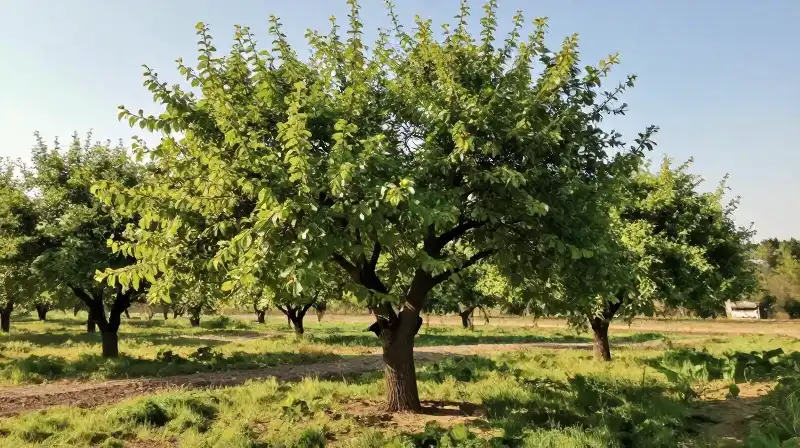
Pruning the Babcock Peach is not about removing all limbs, but rather directing the tree’s energy toward high-quality fruiting wood. General pruning focuses on shaping the tree for productivity and air movement.
Maintenance Pruning:
- Remove any vertical, excessively upright branches that obstruct light and air flow.
- Ensure that the fruiting wood is positioned on horizontal or 45-degree limbs. This orientation helps direct the tree’s physiological processes toward the harvest.
- Cut back remaining side limbs to one or two buds to encourage new, lower limb growth if lower fruiting wood is desired.
- When starting new, smaller trees, you can cut them back at planting to a height as low as the knee if lower fruiting wood is the desired outcome.
Pest Control and Disease Prevention
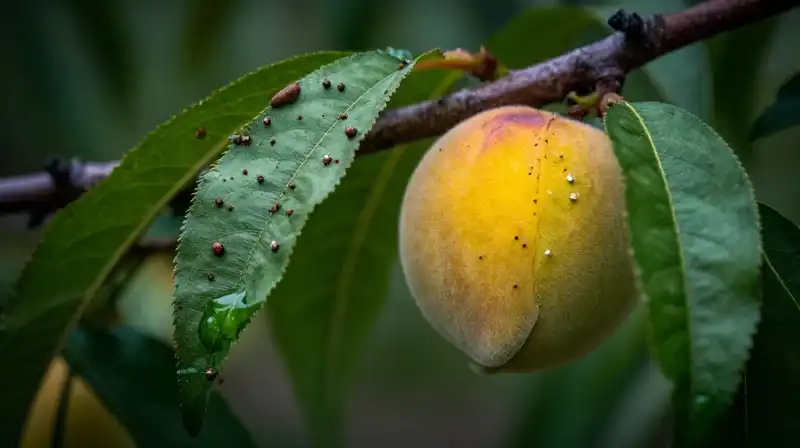
Even healthy trees are susceptible to common orchard issues. Vigilance regarding pests and fungal diseases is necessary to maximize the 50+ lbs per tree yield potential.
Common Concerns:
The most frequent threats to Babcock Peach cultivation are Peach Leaf Curl and bacterial canker. These conditions require proactive monitoring and treatment.
Management Strategy:
- To combat bacterial canker, utilize copper sprays as a preventative measure.
- Ensure good air circulation (aided by proper pruning) to minimize the development of fungal diseases.
- Cultivating resistant varieties, if available in your specific region, is a primary line of defense.
Final Synthesis: Safeguarding Your Investment
Cultivating a successful Babcock Peach tree involves a commitment to both structural integrity and environmental control. The key to preventing common setbacks—such as dieback or insufficient yield—lies in balancing the canopy size with the root mass, allowing the tree space to grow strong without becoming spindly. For new growers, prioritize the initial staking and ensuring a deep frost-free start, while long-term success requires precise pruning to direct growth to horizontal, fruit-bearing branches. Always maintain clean air pathways and be ready to intervene with protective treatments to shield the trunk from pests and the harsh effects of intense sunlight.
Frequently Asked Questions
Are babcock peaches sweet?
Yes, Babcock peaches are supremely sweet, juicy, and aromatic, possessing a distinctive low-acid profile. The white-fleshed fruit is often described as tasting like candy, making it a prime candidate for both fresh and culinary uses.
How big does a babcock peach tree get?
The tree typically reaches a mature size of 10 to 12 feet in height, with an overall spread reaching 12–16 feet.
Is babcock peach self-fertile?
Yes, the Babcock Peach is self-fertile. This characteristic allows growers to simplify the overall cultivation process by eliminating the need for external pollination or specialized management.
How to Prune a Babcock Peach Tree
Remove Obstructions
Remove any vertical, excessively upright branches that obstruct light and air flow.
Orient Fruiting Wood
Ensure that the fruiting wood is positioned on horizontal or 45-degree limbs. This orientation helps direct the tree's physiological processes toward the harvest.
Encourage Lower Growth
Cut back remaining side limbs to one or two buds to encourage new, lower limb growth if lower fruiting wood is desired.
Initial Cut for Young Trees
When starting new, smaller trees, you can cut them back at planting to a height as low as the knee if lower fruiting wood is the desired outcome.
Related Articles