
Designing and Building the Perfect Hop Trellis

Introduction
Designing and building a hop trellis is the foundational step to cultivating high-yield, manageable hop plants. Hop bines are naturally tall, robust, and sprawl, meaning they require significant vertical structure to guide growth, maximize sun exposure, and optimize airflow. A poorly constructed trellis can lead to structural failure under the weight of mature plants, while an inadequate system can result in poor yield due to insufficient light penetration. Whether you are creating a dedicated DIY hop yard or opting for a commercial setup, the design must prioritize durability, load-bearing capacity, and functionality.
What are hop vines used for?
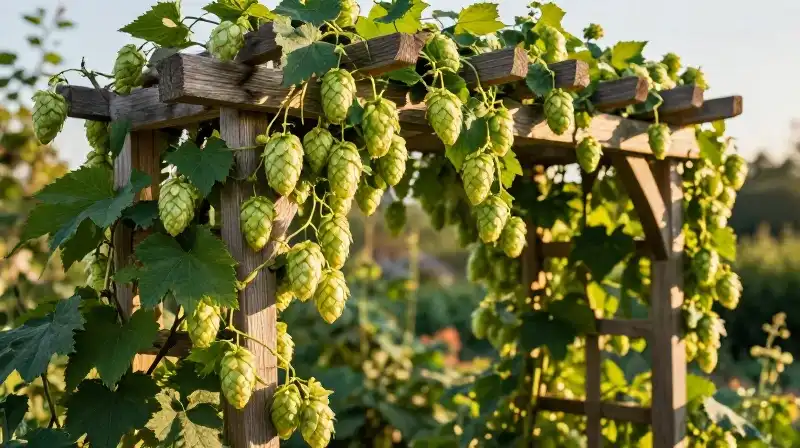
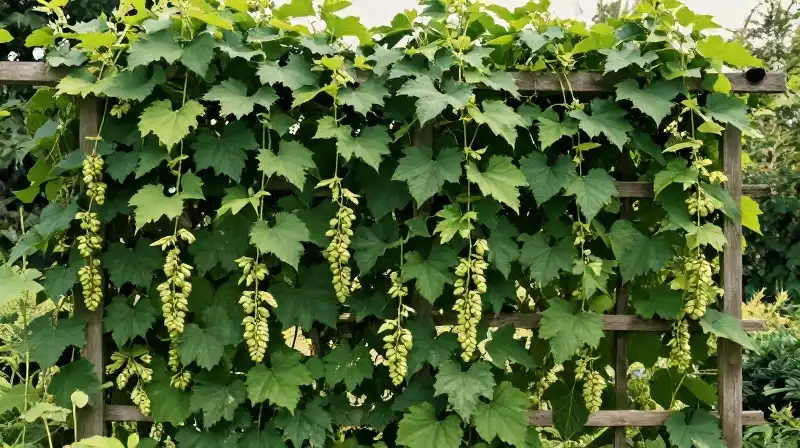 Hop vines are primarily cultivated for their flowers, known as hops, which possess a strong, characteristic aroma and a high concentration of essential oils (alpha acids). These oils give them a distinct bitter quality, making them essential ingredients in brewing beer. While the majority of cultivation focuses on the flowers, the vigorous vines and healthy growth they support are vital for reaching the ideal quality required for both craft and commercial brewing.
Selecting the Optimal Site for Hop Trellising
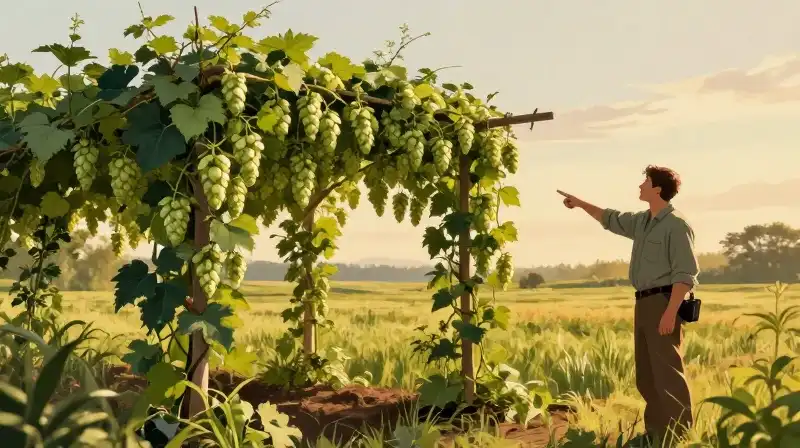 Before starting construction, the planting location dictates the long-term success of the crop. The structural integrity of your trellis will only be useful if the foundation is solid and the environment is suitable for the plants.
Environmental Requirements
The ideal location for a hop trellis must meet several criteria:
- Sunlight: South-facing exposure is preferred to ensure maximum sunlight, which drives photosynthesis and essential oil production.
- Soil Health: The soil should be well-drained. Hops thrive when slightly elevated and not sitting in heavy, waterlogged areas.
- Clearance: The area must be completely clear of overhead power cables or branches that could damage or attract hazards to the trellis structure.
Structural Placement and Ground Prep
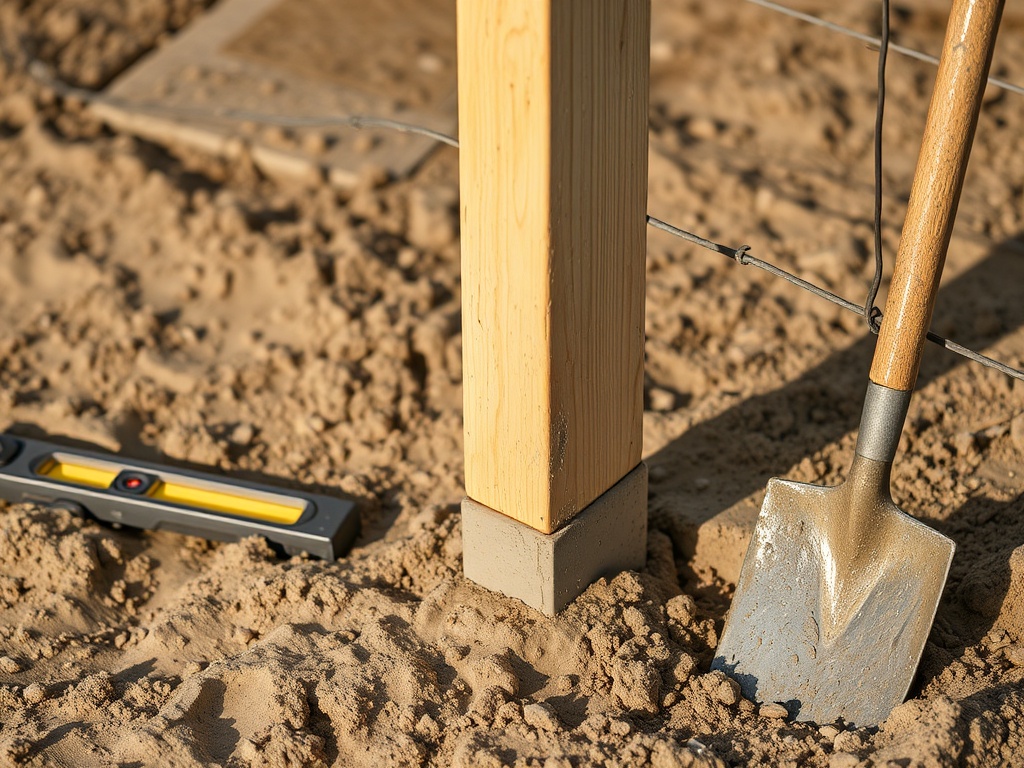
When setting posts, consider local climate factors. For regions with deep freezes, posts must be buried deeper to ensure they withstand frost heaving and maintain stability. Furthermore, post placement needs to account for the tremendous physical force of the vines growing outward; attaching horizontal boards outside the main posts helps resist this outward pull.
Designing Your Hop Trellis: DIY vs. Commercial
Hop trellis designs vary based on the available space and the desired level of maintenance. You can choose a simple row-style setup or a complex, branching tower.
| Design Type | Ideal Environment | Maintenance Level | Primary Material Focus |
|---|---|---|---|
| Traditional Row | Long, linear yard spaces | Moderate | Long, sturdy vertical posts and strung twine |
| Tower Style | Smaller, intensive areas; easy access | Low | Vertical support posts with adjustable, branched lateral arms |
| Commercial System | High-density industrial farming | Very Low | Pre-engineered, often rotatable/movable metal structures |
| For DIY builds, tower systems offer advantages in harvesting and airflow, as they concentrate growth and reduce the distance workers need to travel. |
Essential Materials for Trellis Construction
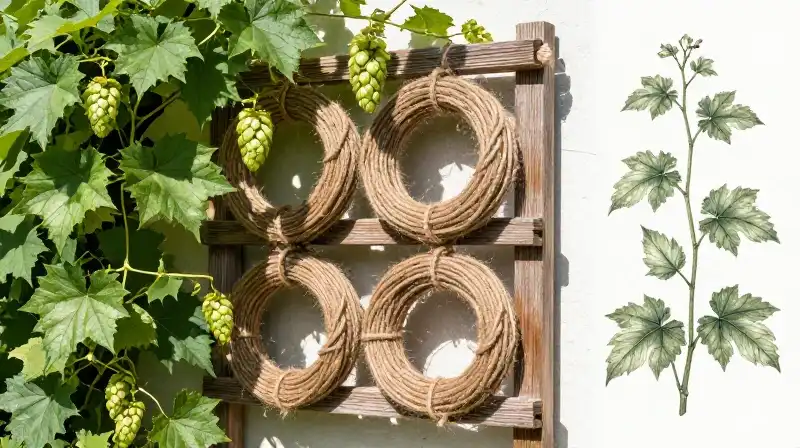 The choice of materials dictates the longevity and aesthetic appeal of your hop yard. Due to the weight of mature, wet hop plants, components must be heavy-duty.
Primary Structural Components
* Support Posts: Pressure-treated lumber is the industry standard for wooden posts due to its resistance to rot and moisture. Metal or galvanized pipe sections can also serve as sturdy, long-lasting supports. * Lateral Arms: These are the horizontal pieces that vines cling to. Galvanized pipe fittings and robust horizontal wooden boards are commonly used. These attachments must be secured to resist vine pull. * Containment: To manage the underground growth (rhizomes), large containers or buckets are crucial for containing the roots and preventing the plants from becoming invasive.
Fasteners and Maintenance Components
* Hardware: Always use stainless steel or heavy-gauge galvanized metal. Using lower-grade hardware will lead to rust, contaminating the plant and causing structural failure. * Plant Guides: Support twine or specialized stainless steel wire is used to guide the bines. While twine is economical for DIY projects, stainless steel offers superior reusability and strength, though it requires specialized handling during harvest. * Movable Mechanisms: For towers, PVC sleeves and heavy-duty hinge components allow for adjustable or rotatable systems, simplifying maintenance.
Implementing and Maintaining the Trellis System
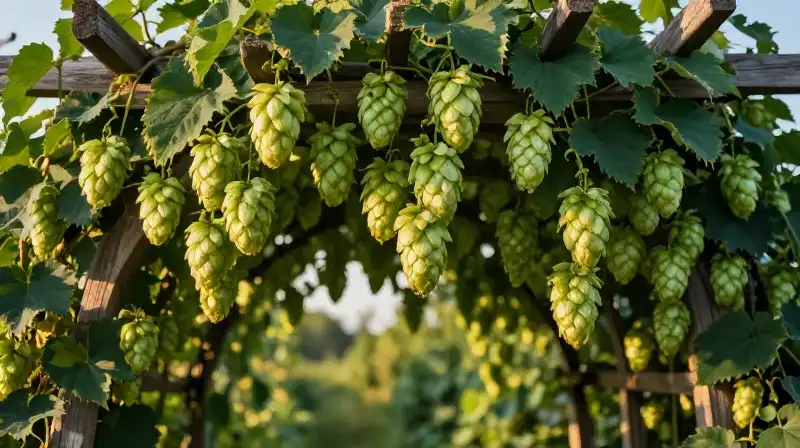 Installation is not just about putting poles in the ground; it requires thinking about hydrology and plant health across the entire growing season.
Structural Installation Steps
1. Set the vertical posts firmly into the ground, ensuring adequate depth based on local frost lines. 2. Attach horizontal boards to the posts, ensuring they extend outward to counter the vine’s natural pull. 3. String the support twine or wire, securing it at multiple points to the post and anchoring it near the base of the plant where needed. 4. Integrate a drip irrigation system. Consistent hydration is critical during the long growing seasons, and a dedicated drip system ensures water reaches the plant’s root zone without wastage.
Optimizing for Yield
The primary function of a well-designed hop trellis is to facilitate optimal growth. By encouraging verticality, the trellis improves two key aspects:
- Airflow: Increased vertical separation prevents dense canopy buildup, which helps prevent fungal diseases.
- Sun Exposure: Taller growth maximizes the leaf and flower exposure to sunlight, boosting the plant’s flavor and yield.
Practical Considerations and Warnings
To ensure your trellis system remains successful, consider the following practical cautions:
Load Capacity: Remember that a mature hop plant can be exceptionally heavy when wet. All posts and horizontal boards must be rated to handle significant stress. Do not skimp on hardware or use undersized lumber.
Water Management: Always pair your trellis with a dedicated drip irrigation system. Over-reliance on traditional overhead watering can saturate the bottom and lead to mold or root rot, regardless of how strong your trellis is.
Harvest Methods: Depending on whether you use economy-focused twine or durable stainless steel wire, be prepared to adjust your harvest techniques. Stainless steel allows for a more structured, repeatable harvest process.
Ultimately, the perfect hop trellis is one that seamlessly blends structural resilience (using galvanized or stainless steel hardware and pressure-treated posts) with smart agricultural planning (ensuring excellent drainage, proper sun exposure, and optimized irrigation) to facilitate the plant’s natural drive toward the sky.
Frequently Asked Questions
What are hop vines used for?
Hop vines are primarily cultivated for their flowers, known as hops, which contain a high concentration of essential oils called alpha acids. These oils give the flowers a distinct bitter quality, making them essential ingredients for brewing beer.
How to Install a Hop Trellis System
Set Vertical Posts
Set the vertical posts firmly into the ground, ensuring adequate depth based on local frost lines.
Attach Horizontal Boards
Attach horizontal boards to the posts, ensuring they extend outward to counter the vine's natural pull.
String Support Twine or Wire
String the support twine or wire, securing it at multiple points to the post and anchoring it near the base of the plant where needed.
Integrate Drip Irrigation System
Integrate a drip irrigation system. Consistent hydration is critical during the long growing seasons, and a dedicated drip system ensures water reaches the plant's root zone without wastage.
Related Articles